Introduction
Selecting the right label material is essential for ensuring product durability, performance, and long-term reliability. When comparing polyester (PET) labels and vinyl-based labels, many buyers initially assume it is simply a comparison between PET and PVC. However, in practical labeling applications, the term “vinyl label” is broader and may include multiple material types such as PVC labels and synthetic paper labels.
Understanding this distinction is important, as each material offers different levels of flexibility, durability, and environmental resistance. Choosing the wrong material can lead to label failure, reduced product quality, and increased replacement costs.
This guide provides a comprehensive comparison between polyester labels and vinyl-based labels, covering material structure, performance, applications, and selection criteria to help you make an informed decision.
What Are Polyester (PET) Labels?
Definition
Polyester labels, commonly referred to as PET labels, are made from polyester film. This material is engineered for high-performance applications where durability, stability, and resistance to extreme conditions are required.
Key Features
· High temperature resistance, typically up to 150–200°C
· Excellent resistance to chemicals, oils, and solvents
· Strong dimensional stability with minimal shrinkage
· High tensile strength and tear resistance
· Long service life in harsh industrial environments
· Compatible with various printing technologies, including thermal transfer
Typical Applications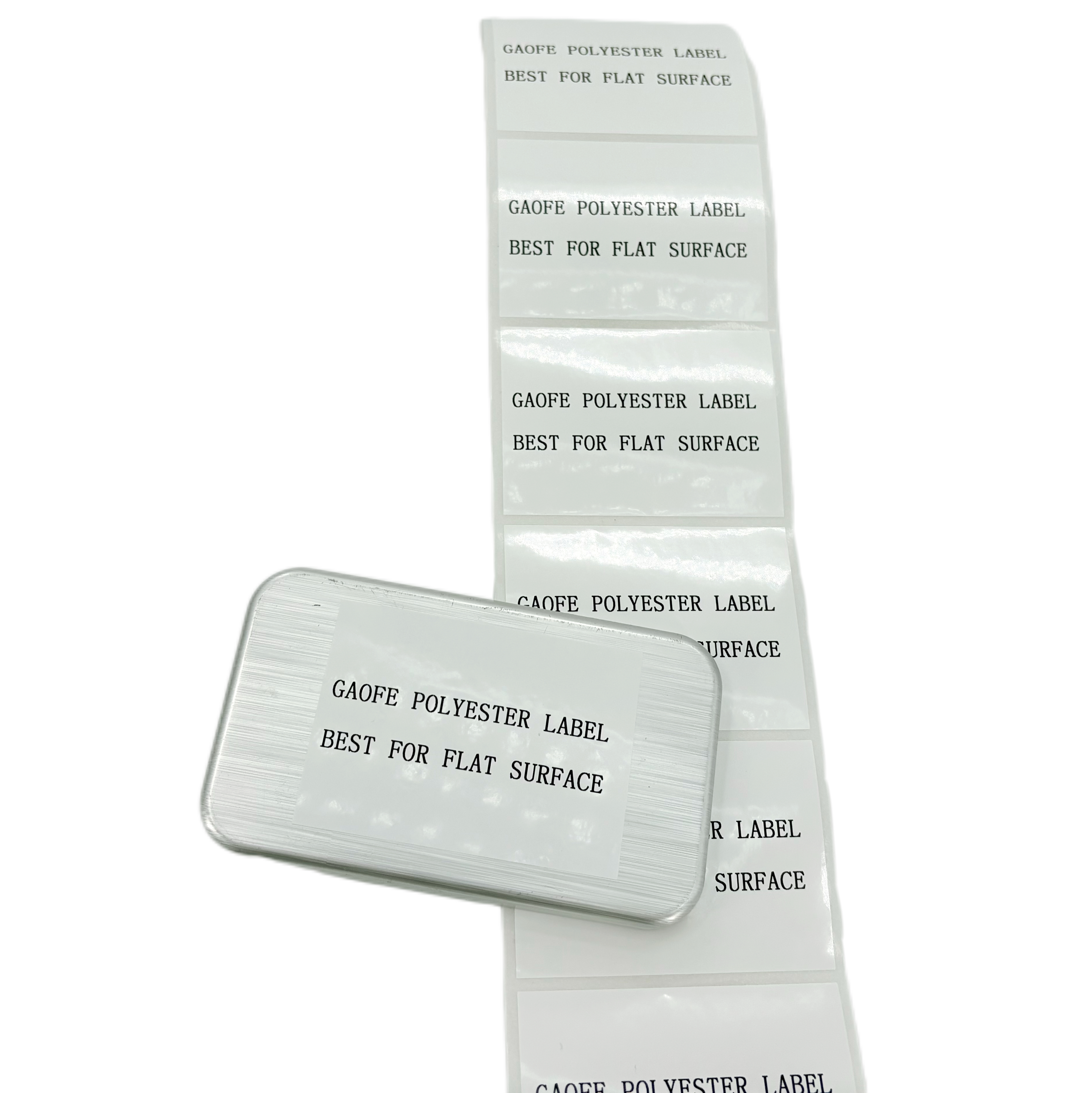
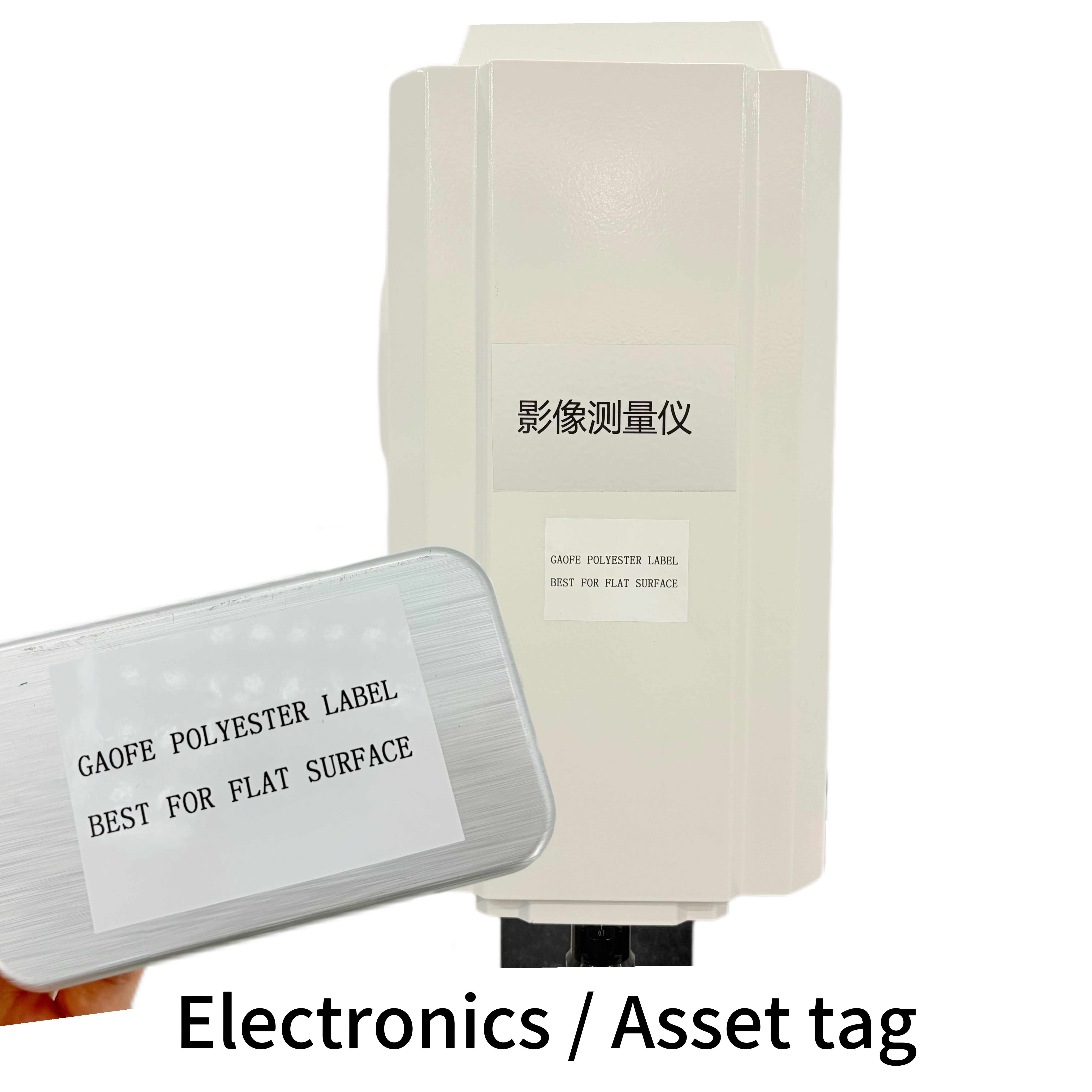
· Electronics labeling
· Automotive engine components
· Industrial equipment identification
· Asset tracking and rating plates
· High-temperature manufacturing environments
Polyester labels are widely used in industries where failure is not acceptable, and long-term performance is critical.
What Are Vinyl Labels (Including PVC and Synthetic Paper)?
Definition
Vinyl labels are a broader category of labeling materials that include PVC (polyvinyl chloride) labels as well as synthetic paper labels, which are often made from modified plastic films such as polypropylene or polyethylene.
While these materials differ slightly in composition, they share common characteristics such as flexibility, water resistance, and adaptability to various surfaces. In many commercial and industrial contexts, these materials are collectively referred to as “vinyl labels” due to their similar performance profile.
Types of Vinyl-Based Labels
1. PVC Labels
PVC labels are the most common type of vinyl label. They are flexible, durable, and widely used for applications requiring strong adhesion on curved or irregular surfaces.
2. Synthetic Paper Labels
Synthetic paper labels are made from plastic-based materials but designed to mimic the appearance and printability of traditional paper. Compared to standard PVC, they often provide better print quality while maintaining water resistance and flexibility.
Key Features of Vinyl-Based Labels
· High flexibility and conformability
· Good waterproof and moisture resistance
· Suitable for curved and irregular surfaces
· Cost-effective for large-scale applications
· Available in multiple finishes (matte, glossy, semi-gloss)
· Easier to print for general-purpose labeling
Typical Applications
· Cable and wire identification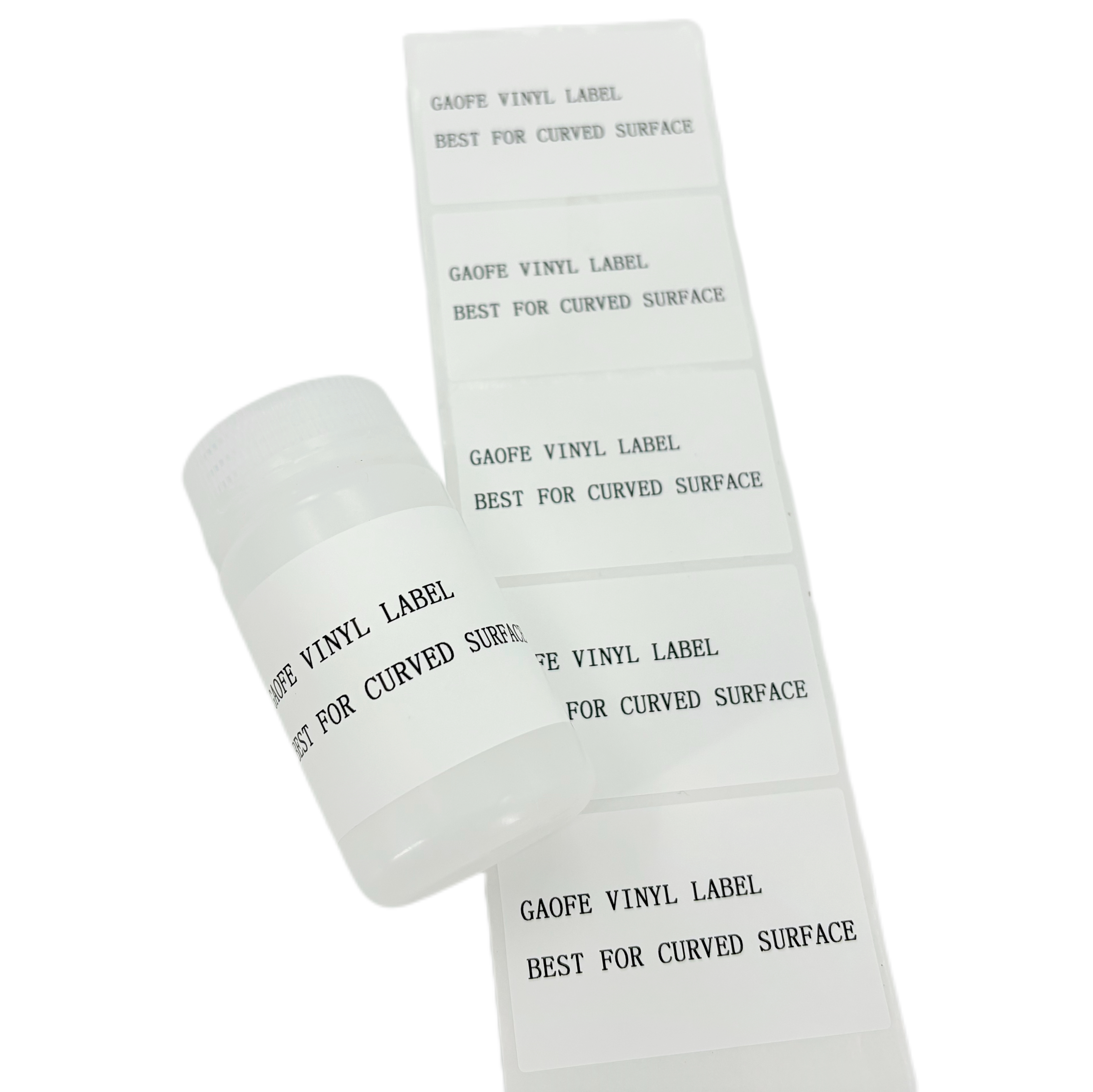
· Packaging and logistics labeling
· Bottles and containers
· Outdoor signage and promotional labels
· General industrial and commercial labeling
Vinyl-based labels are widely used due to their versatility and lower cost compared to high-performance materials like polyester.
Polyester vs Vinyl Labels: Key Differences
Material Structure
Polyester labels are made from rigid polyester film, providing excellent structural stability. Vinyl-based labels, including PVC and synthetic paper, are softer and more flexible, allowing them to conform to uneven surfaces.
Durability and Performance
Polyester labels offer superior durability, especially in harsh environments involving heat, chemicals, and abrasion. Vinyl-based labels provide adequate durability for most general applications but are not designed for extreme conditions.
Temperature Resistance
Polyester labels can withstand high temperatures, making them suitable for demanding industrial processes. Vinyl-based labels, including PVC and synthetic paper, have lower heat resistance and may deform or degrade when exposed to high temperatures.
Flexibility and Application Surface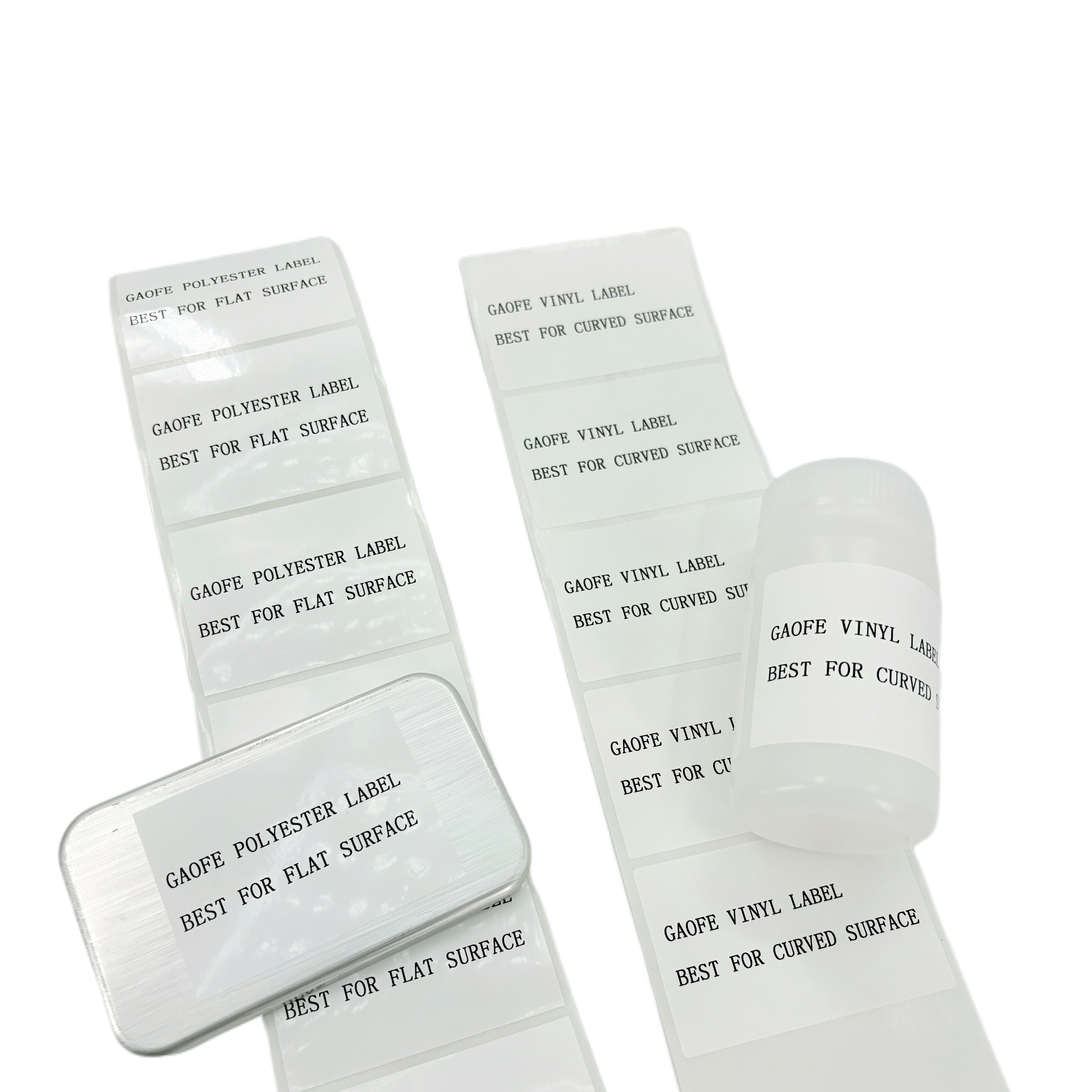
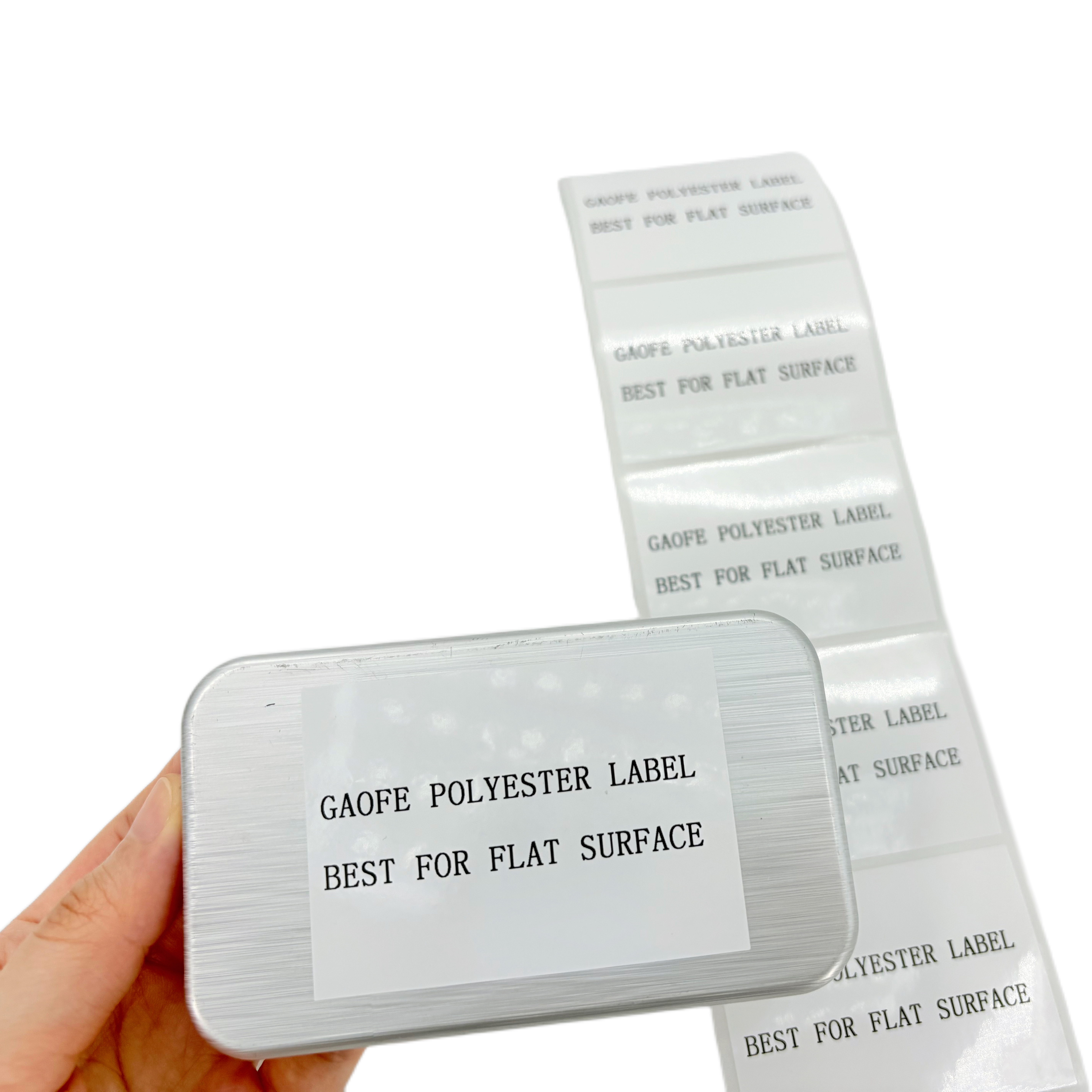
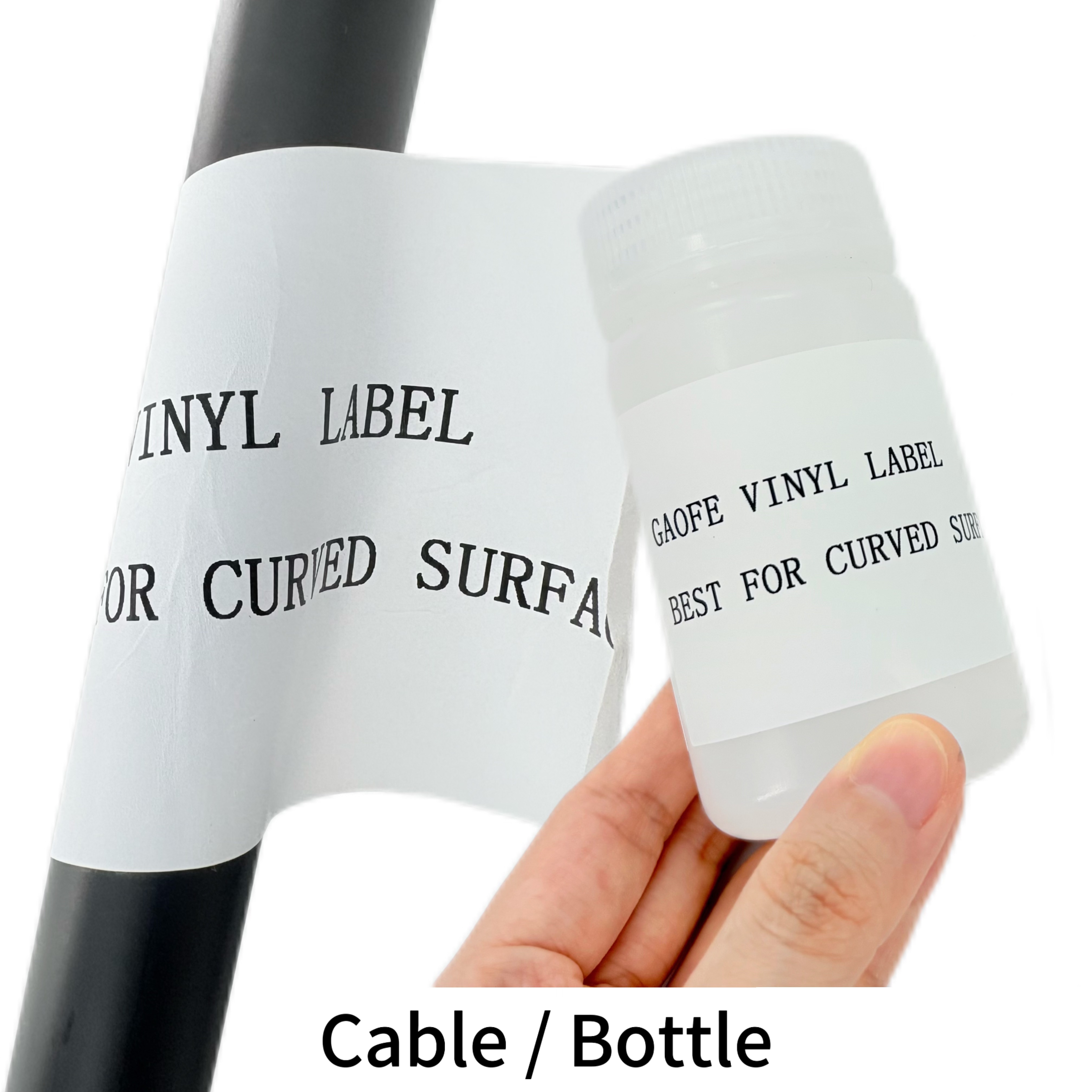
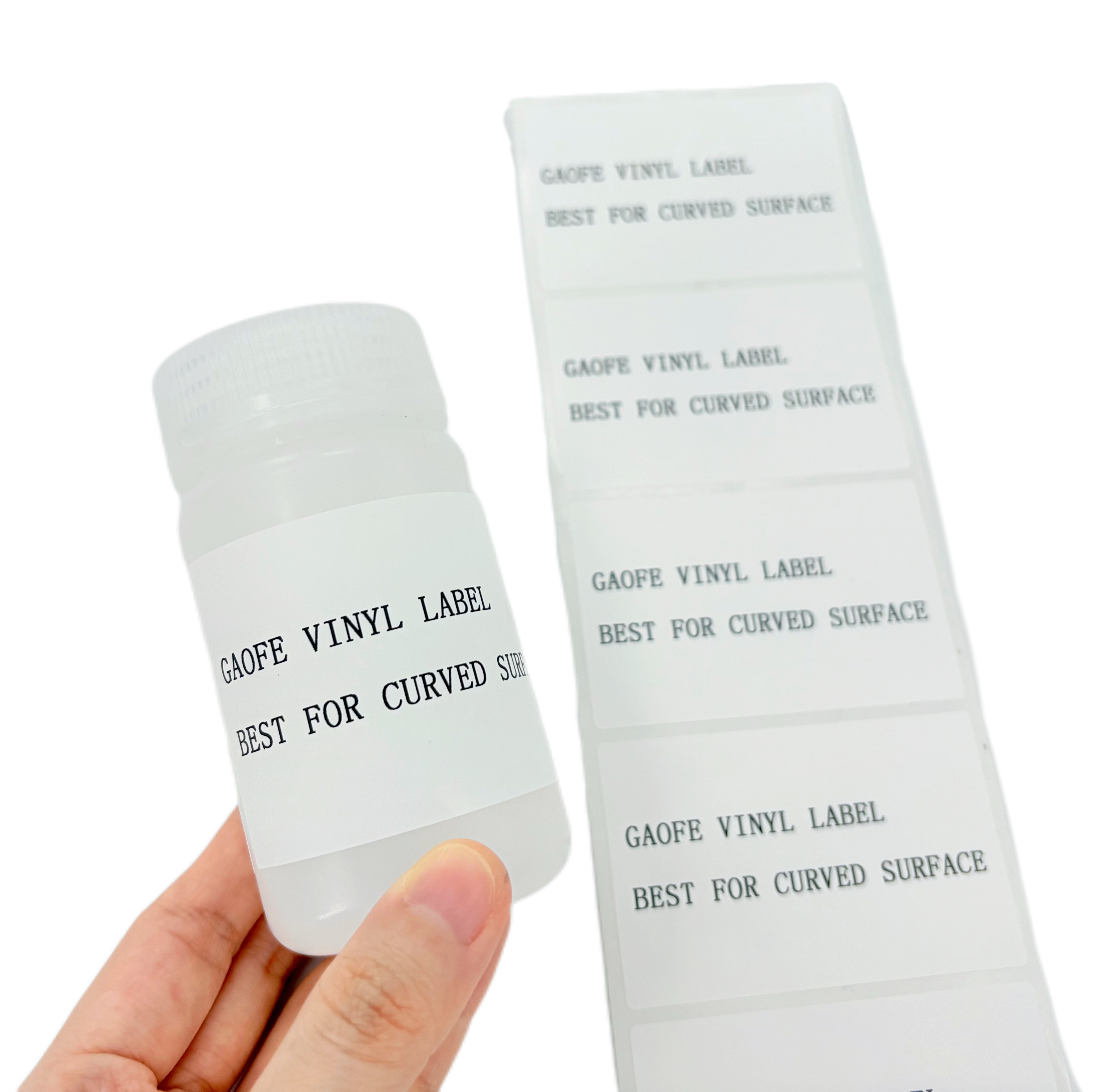
Vinyl-based labels excel in flexibility, making them ideal for curved, cylindrical, or irregular surfaces such as cables and bottles. Polyester labels are more rigid and are best suited for flat or slightly curved surfaces.
Printability and Appearance
Synthetic paper labels, as part of the vinyl category, offer excellent printability and are often used when visual appearance is important. Polyester labels, while printable, are more focused on performance rather than aesthetics.
Cost Consideration
Polyester labels are generally more expensive due to their advanced material properties. Vinyl-based labels, including PVC and synthetic paper, are more economical and suitable for large-volume applications.
When to Use Polyester Labels
Polyester labels are recommended for applications that require:
· High temperature resistance
· Exposure to harsh chemicals or solvents
· Long-term durability and reliability
· Industrial-grade performance
They are commonly used in industries such as automotive, electronics, manufacturing, and energy.
When to Use Vinyl-Based Labels
Vinyl-based labels, including PVC and synthetic paper, are more suitable for applications that require:
· Flexibility and conformability
· Application on curved or irregular surfaces
· Cost-effective solutions
· Good print quality for visual presentation
· Short to medium-term use
These labels are widely used in packaging, retail, logistics, and cable identification.
How to Choose Between PET and Vinyl Labels
1. Environmental Conditions
For high-temperature or chemically aggressive environments, polyester labels are the preferred choice. For standard indoor or outdoor conditions, vinyl-based labels are sufficient.
2. Surface Type
For flat surfaces, polyester labels provide better adhesion and stability. For curved or flexible surfaces, vinyl-based labels offer superior performance.
3. Durability Requirements
If long-term performance is critical, polyester labels should be selected. For temporary or medium-term applications, vinyl-based labels provide a cost-effective alternative.
4. Budget and Volume
For high-performance applications, polyester labels justify the higher cost. For large-volume or cost-sensitive projects, vinyl-based labels are more economical.
Can Polyester and Vinyl Labels Be Used Together?
Yes. In many industrial applications, both materials are used together to optimize performance and cost.
For example, polyester labels can be used for critical identification such as rating plates or safety information, while vinyl-based labels can be used for flexible applications like cable marking or packaging. This combination ensures both durability and efficiency.
Conclusion
Polyester (PET) labels and vinyl-based labels, including PVC and synthetic paper, serve different but complementary roles in labeling applications.
Polyester labels are designed for high-performance environments where durability, heat resistance, and long-term reliability are essential. Vinyl-based labels offer flexibility, cost efficiency, and versatility, making them suitable for a wide range of general applications.
Understanding the broader definition of vinyl labels helps businesses make more accurate material selections and avoid performance issues.
GAOFE provides high-quality polyester labels and customized labeling solutions tailored for demanding industrial environments, helping businesses improve product reliability and operational efficiency.
FAQ
Q: Are vinyl labels the same as PVC labels?
A:Not exactly. PVC labels are one type of vinyl label, but vinyl labels may also include synthetic paper labels and other flexible plastic-based materials.
Q:What is the difference between synthetic paper and PVC labels?
A:Synthetic paper offers better printability and a paper-like appearance, while PVC provides higher flexibility and durability.
Q: Which label material is better for high temperatures?
A:Polyester (PET) labels are better suited for high-temperature environments.
Q: Are vinyl-based labels waterproof?
A:Yes, both PVC and synthetic paper labels offer good waterproof performance.


