Introduction
Have you ever encountered cable labels that peel off, crack, or become unreadable after a short period of use? In industrial and commercial environments, cable identification requires more than just a standard sticker—it requires durability, flexibility, and long-term protection.
Self-laminating vinyl wrap around labels are specifically designed for cable and wire identification applications. These labels combine a printable area with a transparent protective overlaminate, helping protect printed information from abrasion, oil, moisture, and frequent handling.
In this article, we will explain what self-laminating vinyl wrap around labels are, how they work, and why they are widely used in industries such as electrical systems, data centers, telecommunications, and automotive wiring. You will also learn how to calculate the correct label size based on cable diameter to ensure proper wrapping and long-lasting performance.
Understanding Self-Laminating Vinyl Wrap Around Labels
What Are Self-Laminating Vinyl Wrap Around Labels?
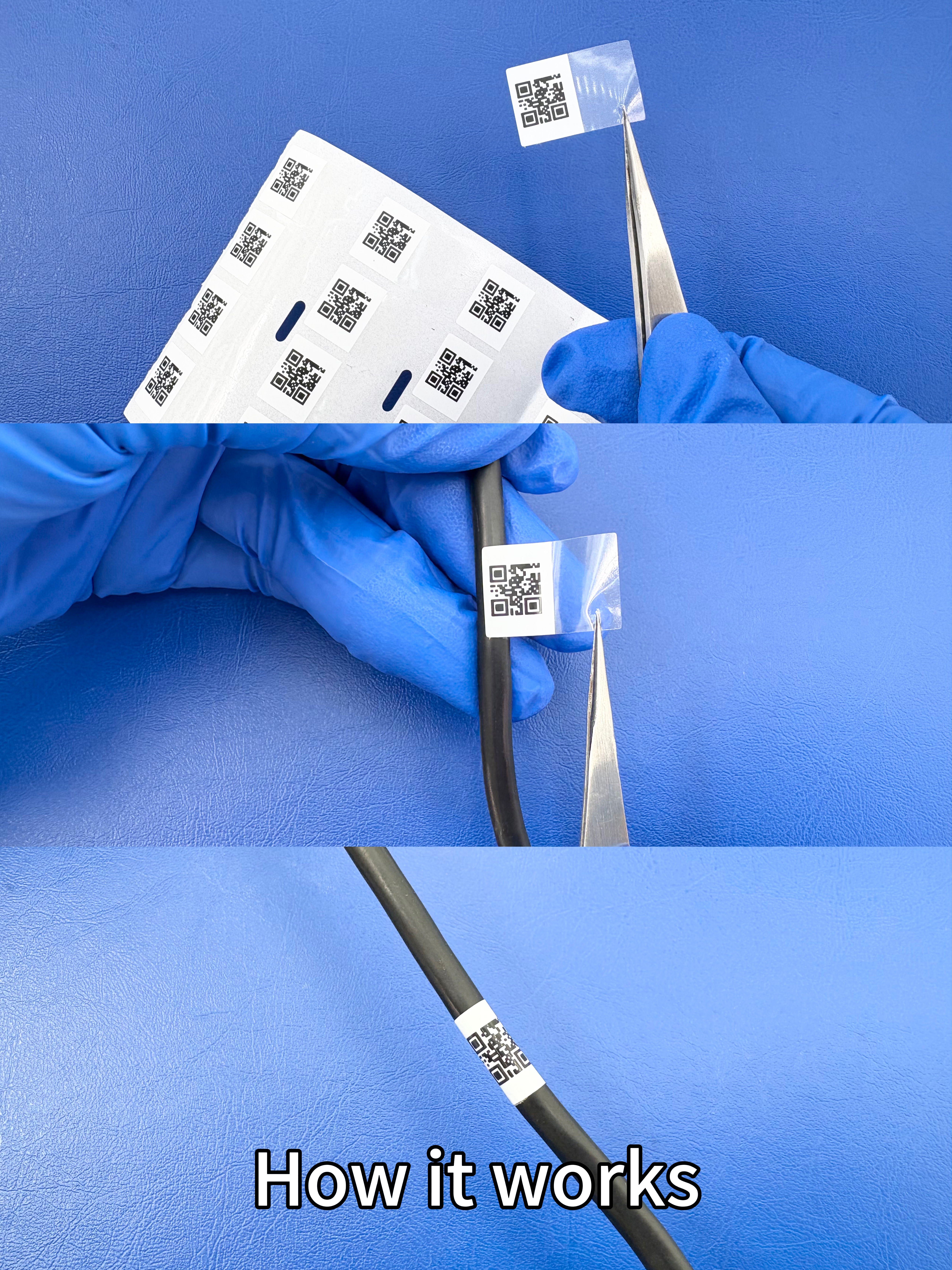
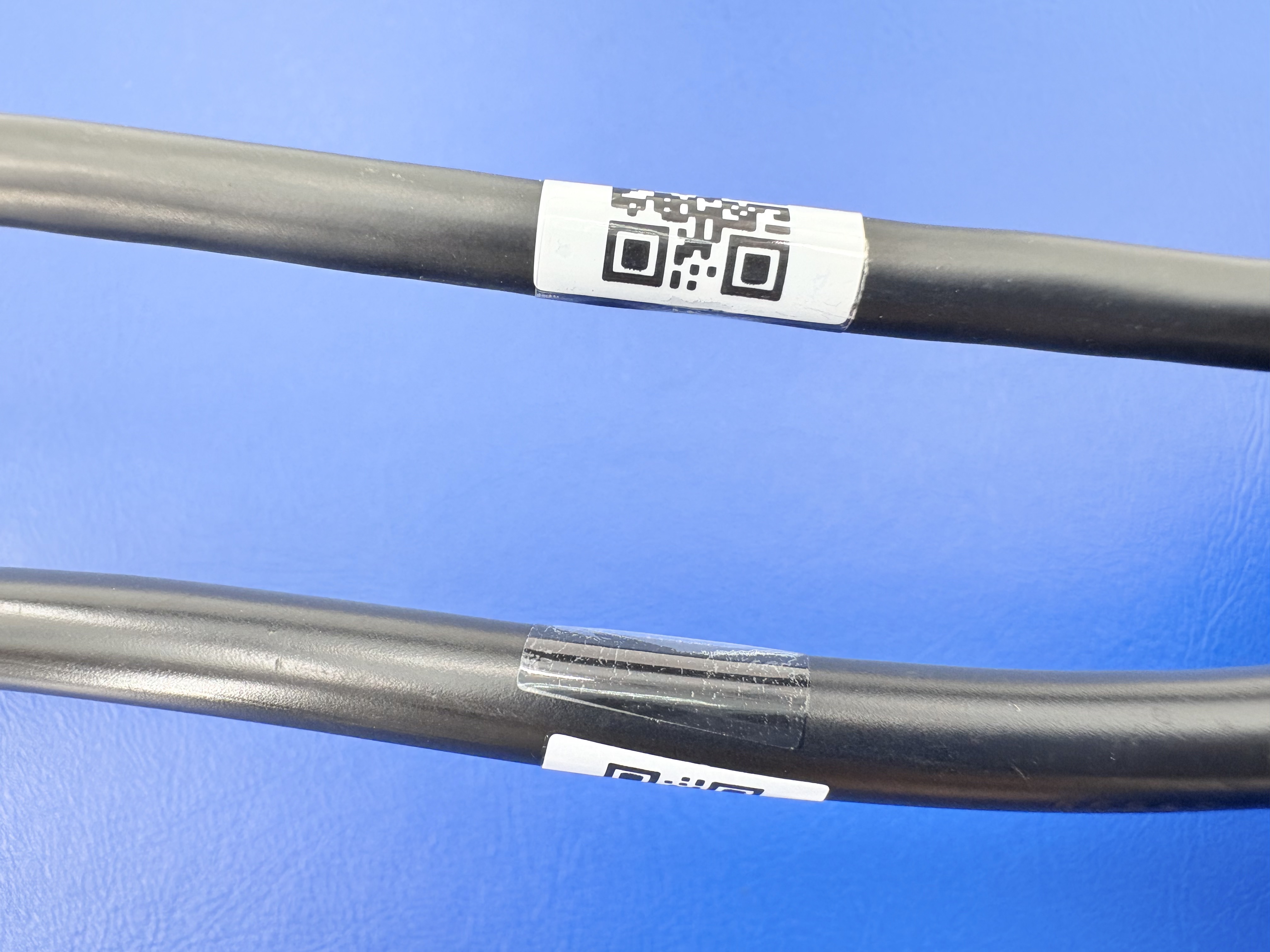
Self-laminating vinyl wrap around labels are flexible cable labels made primarily from Vinyl synthetic material. They are specially designed to wrap around wires and cables while protecting printed information with a transparent laminate layer.
The label structure typically includes: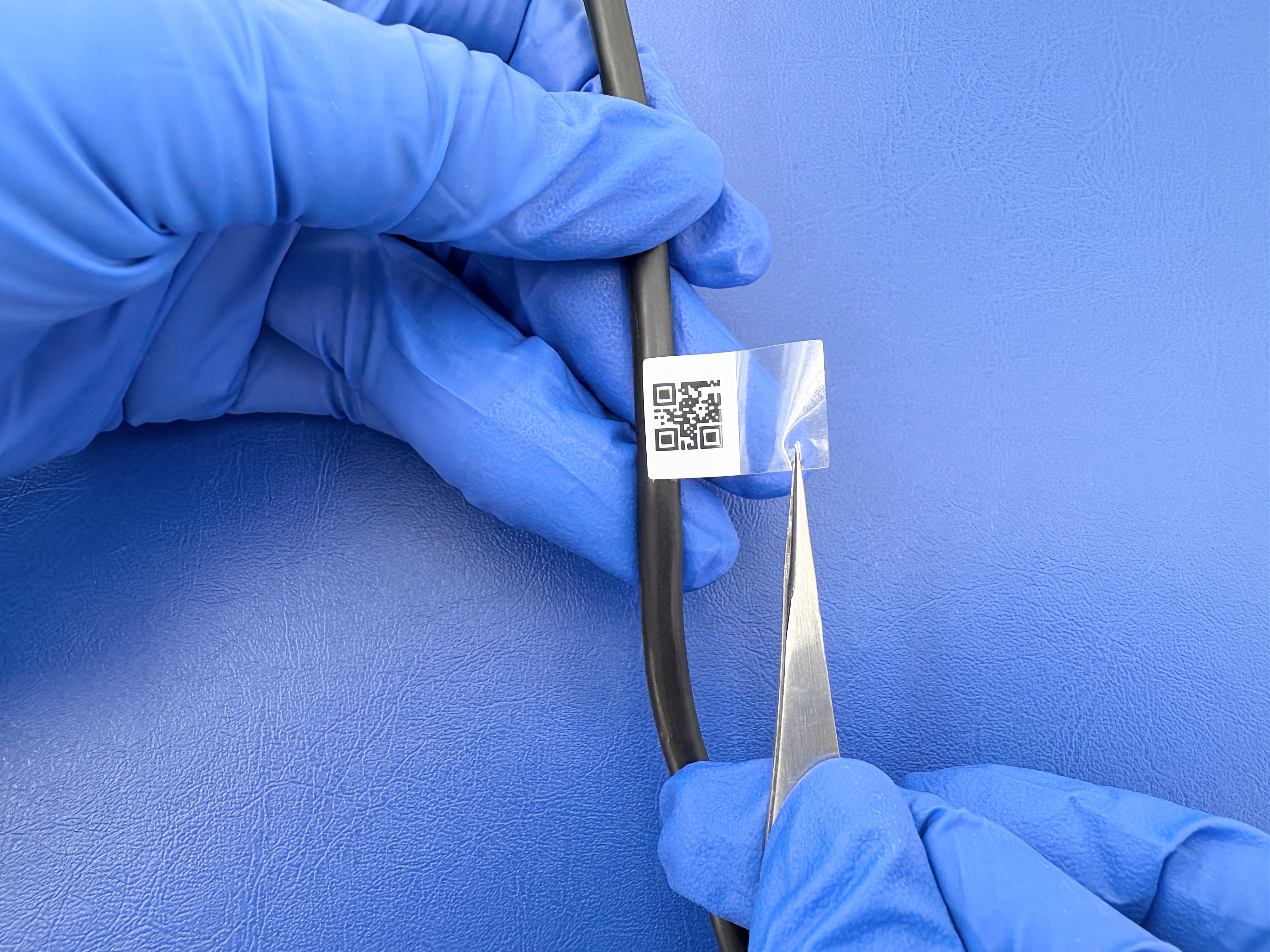
1. Printable Area – used for printing text, serial numbers, barcodes, or QR codes
2. Clear Lamination Area – wraps over the printed section to create a protective seal
After application, the transparent section covers the printed area, protecting it from damage caused by friction, chemicals, moisture, and daily handling.
This structure provides:
· Long-term readability
· Excellent flexibility for curved surfaces
· Strong adhesion performance
· Professional cable identification
Advantages of Self-Laminating Vinyl Wrap Around Labels
Excellent Flexibility
Vinyl material is soft and flexible, allowing the label to conform tightly around cables of different diameters without wrinkling or lifting.
This makes self-laminating vinyl wrap around labels ideal for: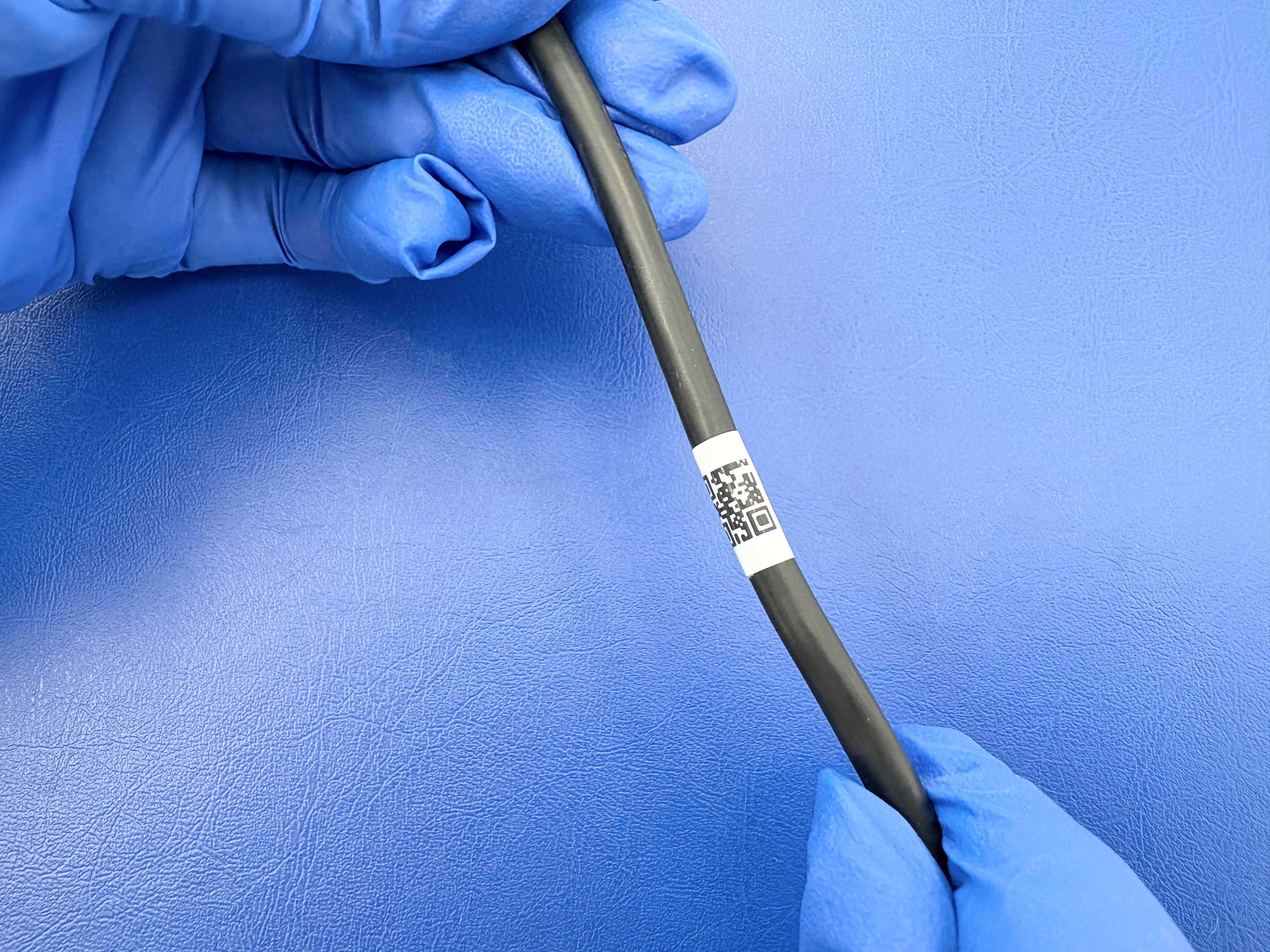
· Small wires
· Flexible cables
· Curved surfaces
· Wire harness applications
Strong Adhesion Performance
These labels are designed with industrial-grade adhesive suitable for:
· PVC insulated cables
· Rubber-coated wires
· TPE cable surfaces
The adhesive helps maintain long-term bonding even under vibration or repeated movement.
Protective Self-Laminating Layer
The clear overlaminate protects printed information from:
· Scratches and abrasion
· Oil and chemical exposure
· Moisture and humidity
· Smudging and fading
This ensures the identification remains readable over time.
Cost-Effective Cable Identification Solution
Compared to more rigid materials, vinyl wrap around labels provide an excellent balance between:
· Flexibility
· Durability
· Cost efficiency
This makes them suitable for both industrial and commercial cable labeling projects.
Where Are Self-Laminating Vinyl Wrap Around Labels Used?
Industry | Common Applications |
Electrical | Wire and panel identification |
Data Centers | Network cable management |
Telecommunications | Fiber and communication cable labeling |
Automotive | Wire harness identification |
Industrial Equipment | Machinery cable marking |
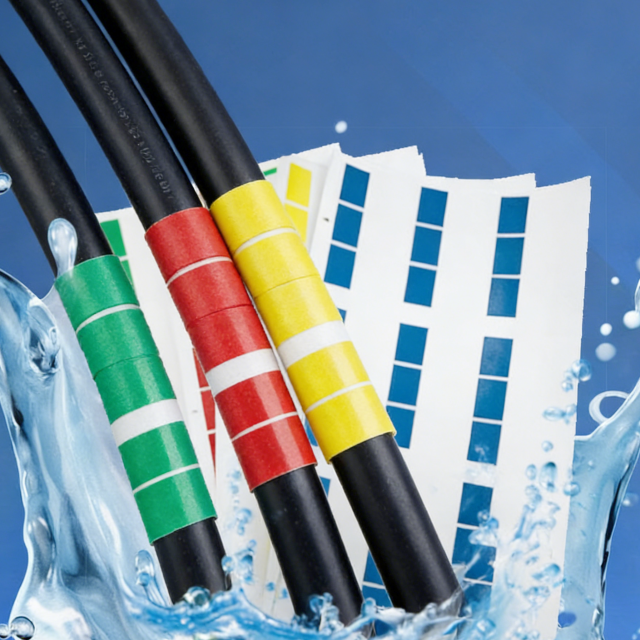
These labels help improve organization, maintenance efficiency, and operational safety.
Why Are Self-Laminating Vinyl Wrap Around Labels Important?
Ensuring Long-Term Cable Identification
In many environments, cables are exposed to bending, movement, and contamination. Standard labels may fail over time, but self-laminating vinyl wrap around labels provide durable protection for critical information.
Improving Maintenance Efficiency
Clear cable identification allows technicians to quickly locate and identify wires, reducing maintenance time and minimizing downtime.
Reducing Operational Errors
Proper labeling helps prevent:
· Incorrect wiring connections
· Maintenance mistakes
· Equipment failures
Reliable cable identification improves both efficiency and safety.
How to Calculate the Correct Label Size
Selecting the correct label size is essential for proper application and readability.
Step 1: Measure Cable Diameter
Measure the outer diameter of the cable:
Diameter = D (mm)
Step 2: Calculate Cable Circumference
Use the formula:
Circumference = 3.14 × D
Step 3: Add Overlap Area
To ensure secure wrapping, add an overlap of 2–5 mm:
Wrap Length = Circumference + Overlap
Step 4: Add Printable Area
The printable section usually ranges from:
· 20–40 mm depending on content requirements
Example Calculation
If the cable diameter is 6 mm:
· Circumference = 3.14 × 6 = 18.84 mm
· Overlap = 3 mm
· Wrap length ≈ 22 mm
Final label length:
22 mm (wrap area) + 25 mm (print area) = 47 mm
Quick Reference Table
Cable Diameter | Recommended Label Length |
2 mm | 20–30 mm |
4 mm | 30–40 mm |
6 mm | 40–50 mm |
10 mm | 50–70 mm |
15 mm | 70–100 mm |
Choosing the Right Self-Laminating Vinyl Wrap Around Labels
Key Factors to Consider
When selecting labels, consider:
· Cable diameter
· Flexibility requirements
· Adhesive strength
· Indoor or outdoor environment
· Printing compatibility
Customization Options
Self-laminating vinyl wrap around labels can be customized with:
· Custom sizes
· Color coding
· Logo printing
· Variable data and barcode printing
Customized labels improve both organization and brand presentation.
Balancing Cost and Performance
Vinyl labels provide excellent flexibility and reliable performance at a competitive cost, making them suitable for large-volume cable labeling applications.
Conclusion
Self-laminating vinyl wrap around labels are a flexible, durable, and reliable solution for cable and wire identification. Their self-protective laminate structure helps maintain clear and readable information while ensuring strong adhesion on curved cable surfaces.
By selecting the correct label size based on cable diameter and choosing the right adhesive performance, businesses can improve organization, maintenance efficiency, and long-term reliability.
GAOFE provides customized self-laminating vinyl wrap around label solutions, including material selection, size calculation support, and OEM customization for various industrial applications.
FAQ
Q: What are self-laminating vinyl wrap around labels?
A: They are flexible cable labels with a printable area and a transparent protective laminate layer.
Q: Why are vinyl wrap around labels suitable for cables?
A: Vinyl material is flexible and conforms easily to curved cable surfaces.
Q: How do self-laminating labels protect printing?
A: The transparent laminate wraps over the printed area to protect it from abrasion, oil, and moisture.
Q: How do I calculate the correct label size?
A: Measure cable diameter, calculate circumference, add overlap, and include printable area.
Q: Can self-laminating vinyl wrap around labels be customized?
A: Yes, they can be customized in size, color, printing, and adhesive type.


