Introduction
Barcode labels play an essential role in modern identification systems, helping businesses improve inventory management, product tracking, logistics operations, and manufacturing traceability.
However, choosing the right barcode label material is not always easy. Different industries require different label performance, including print quality, durability, adhesive strength, and environmental resistance.
The most common barcode label materials include direct thermal paper labels, coated paper labels, synthetic paper labels, and PET labels. Each material has unique advantages and is suitable for different application scenarios.
In this guide, we will explain the differences between these barcode label materials and help you choose the right solution for your business.
What Factors Should Be Considered When Choosing Barcode Labels?
Before selecting a barcode label, businesses should consider several key factors:
1. Printing Method
Barcode labels are commonly printed using:
Direct thermal labels do not require ribbons, while thermal transfer labels require ribbons to achieve better durability and print resistance.
2. Application Environment
Consider where the label will be used:
Indoor or outdoor environment
Exposure to heat, moisture, chemicals, or sunlight
Required label lifetime
3. Label Durability Requirements
Short-term applications may only require paper labels, while industrial applications often require synthetic materials such as PET.
4. Surface Material
Different surfaces require different adhesive solutions:
Cardboard
Plastic
Metal
Glass
Electronic components
Comparison of Common Barcode Label Materials
1. Thermal Paper Labels
Thermal paper labels are coated with a heat-sensitive layer that creates images directly through the printer's thermal printhead.
No ribbon is required.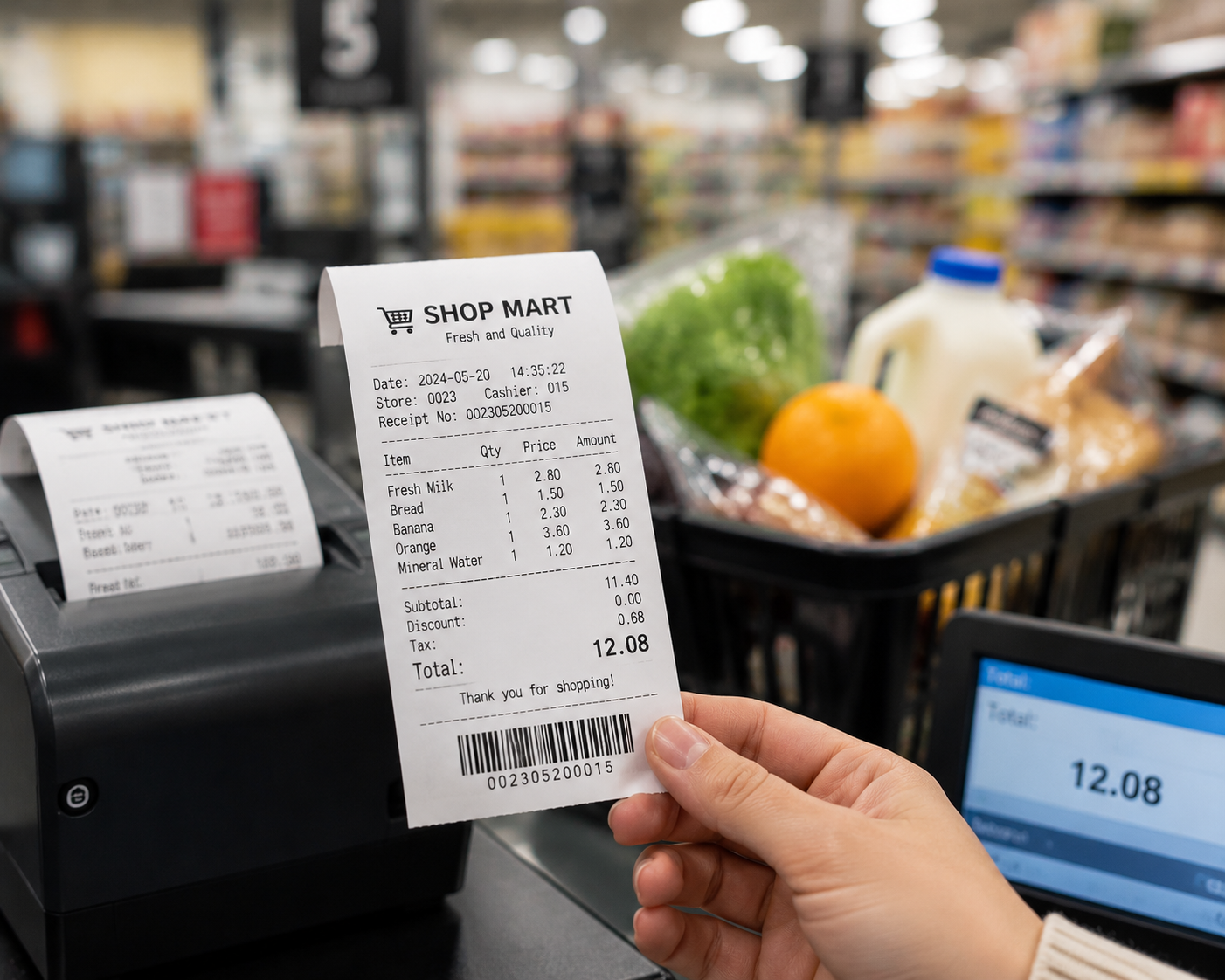
Advantages
Cost-effective
High printing speed
No ribbon consumption
Easy to use
Limitations
Recommended Applications
Thermal paper labels are widely used in industries where labels only need to remain readable for a short period.
Typical applications include:
Logistics & Shipping
Used for:
Shipping labels
Courier labels
Transportation tracking
Retail
Used for:
Food Industry
Used for:
Fresh food labels
Expiration date labels
Packaging identification
2. Coated Paper Labels
Coated paper labels (also called semi-gloss or thermal transfer paper labels) provide better print quality compared with ordinary paper labels.
They are usually printed with thermal transfer ribbons.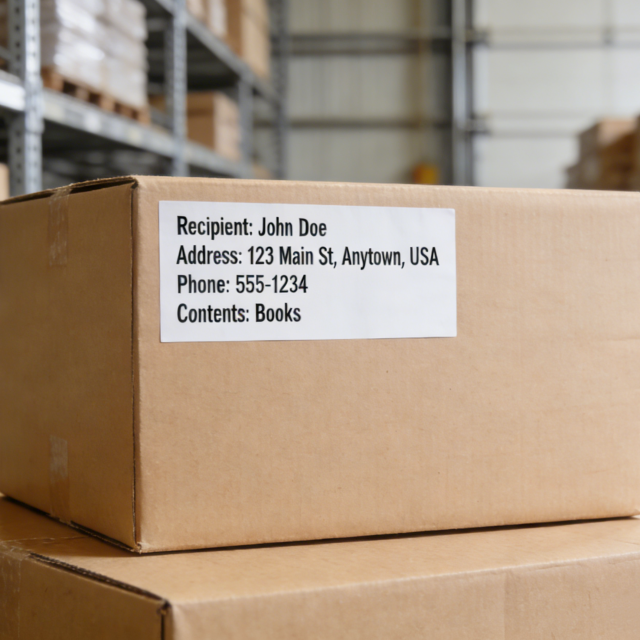
Advantages
Limitations
Recommended Applications
Warehouse Management
Used for:
Inventory labels
Storage location labels
Product identification
Manufacturing
Used for:
Product packaging labels
Internal tracking labels
Retail & E-commerce
Used for:
Coated paper labels are one of the most widely used barcode label solutions because they provide a good balance between cost and printing performance.
3. Synthetic Paper Labels
Synthetic paper labels are made from plastic-based materials such as PP (polypropylene).
Compared with paper labels, synthetic paper provides better durability and environmental resistance.
Advantages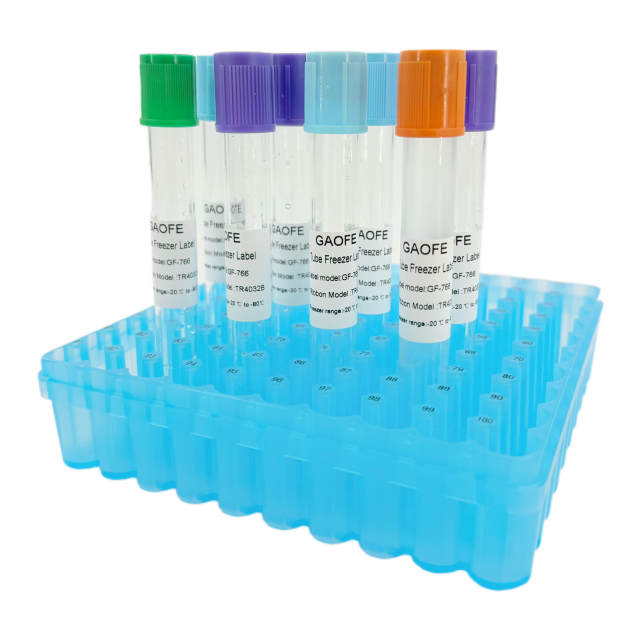
Limitations
Recommended Applications
Healthcare Industry
Used for:
Manufacturing Industry
Used for:
Work-in-process labels
Product tracking
Equipment identification
Chemical Industry
Used for:
Synthetic paper labels are ideal for applications requiring better durability while maintaining cost efficiency.
4. PET Labels
PET labels are high-performance barcode labels designed for demanding industrial environments.
PET materials offer excellent resistance to heat, chemicals, abrasion, and outdoor conditions.
Advantages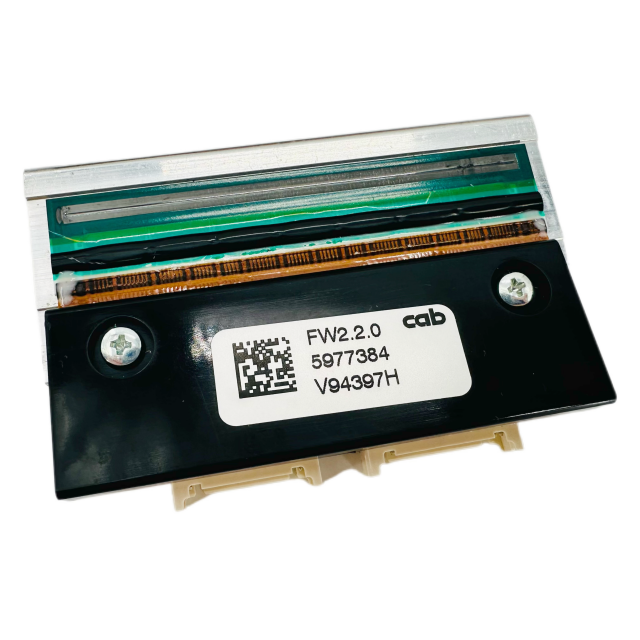
Limitations
Recommended Applications
Electronics Industry
PET labels are commonly used for:
Serial number labels
PCB identification
Product traceability
Automotive Industry
Used for:
Vehicle components
VIN-related labels
Safety identification
Industrial Equipment
Used for:
Asset tracking
Machine labels
Warning labels
Outdoor Applications
Used for:
Equipment identification
Infrastructure tracking
PET labels are the preferred choice when barcode information must remain readable for years.
Barcode Label Material Comparison Table
| Feature | Thermal Paper | Coated Paper | Synthetic Paper | PET |
| Cost | ★★★★★ | ★★★★ | ★★★ | ★★ |
| Print Quality | Good | Excellent | Excellent | Excellent |
| Water Resistance | Low | Medium | High | Excellent |
| Heat Resistance | Low | Medium | High | Excellent |
| Chemical Resistance | Low | Low | Medium | Excellent |
| Durability | Short-term | Medium-term | Long-term | Long-term |
| Best Application | Shipping | Warehouse | Industrial | Harsh Environment |
How to Choose the Right Barcode Label?
Choose Thermal Paper Labels if:
✓ Labels are used temporarily
✓ You need a low-cost solution
✓ Applications are mainly shipping or retail
Choose Coated Paper Labels if:
✓ You need high-quality barcode printing
✓ Labels are used indoors
✓ Cost efficiency is important
Choose Synthetic Paper Labels if:
✓ Labels require water resistance
✓ Products are handled frequently
✓ A longer lifespan is required
Choose PET Labels if:
✓ Labels face harsh environments
✓ Heat and chemical resistance are required
✓ Long-term identification is necessary
Optimal Printing Solutions
For the best barcode performance:
Thermal Paper Labels
Recommended printing:
Coated Paper Labels
Recommended printing:
Wax ribbon
Wax resin ribbon
Synthetic Paper Labels
Recommended printing:
Wax resin ribbon
Resin ribbon
PET Labels
Recommended printing:
The correct combination of label material and ribbon ensures clear barcode scanning and longer label performance.
Why Choose Gaofei Electronic?
Dongguan Gaofei Electronic Technology Co., Ltd. specializes in barcode identification solutions, providing:
With professional experience in label materials, adhesive selection, and printing technology, Gaofei provides customized solutions for customers in logistics, manufacturing, healthcare, electronics, automotive, and industrial industries.
We support:
Conclusion
Choosing the right barcode label material depends on your application environment, printing method, durability requirements, and budget.
Thermal paper and coated paper labels are suitable for cost-effective indoor applications, while synthetic paper and PET labels provide better performance for industrial and demanding environments.
Understanding the differences between each material helps businesses improve barcode reliability, reduce replacement costs, and achieve efficient product tracking.
Looking for the right barcode label solution?
Contact Gaofei today for professional recommendations and free samples.


