Introduction
In high temperature industrial environments, ordinary labels often fail because of heat exposure, chemical contact, or demanding manufacturing processes. Labels may curl, shrink, discolor, or lose adhesion, causing barcode scanning failures and product traceability problems.
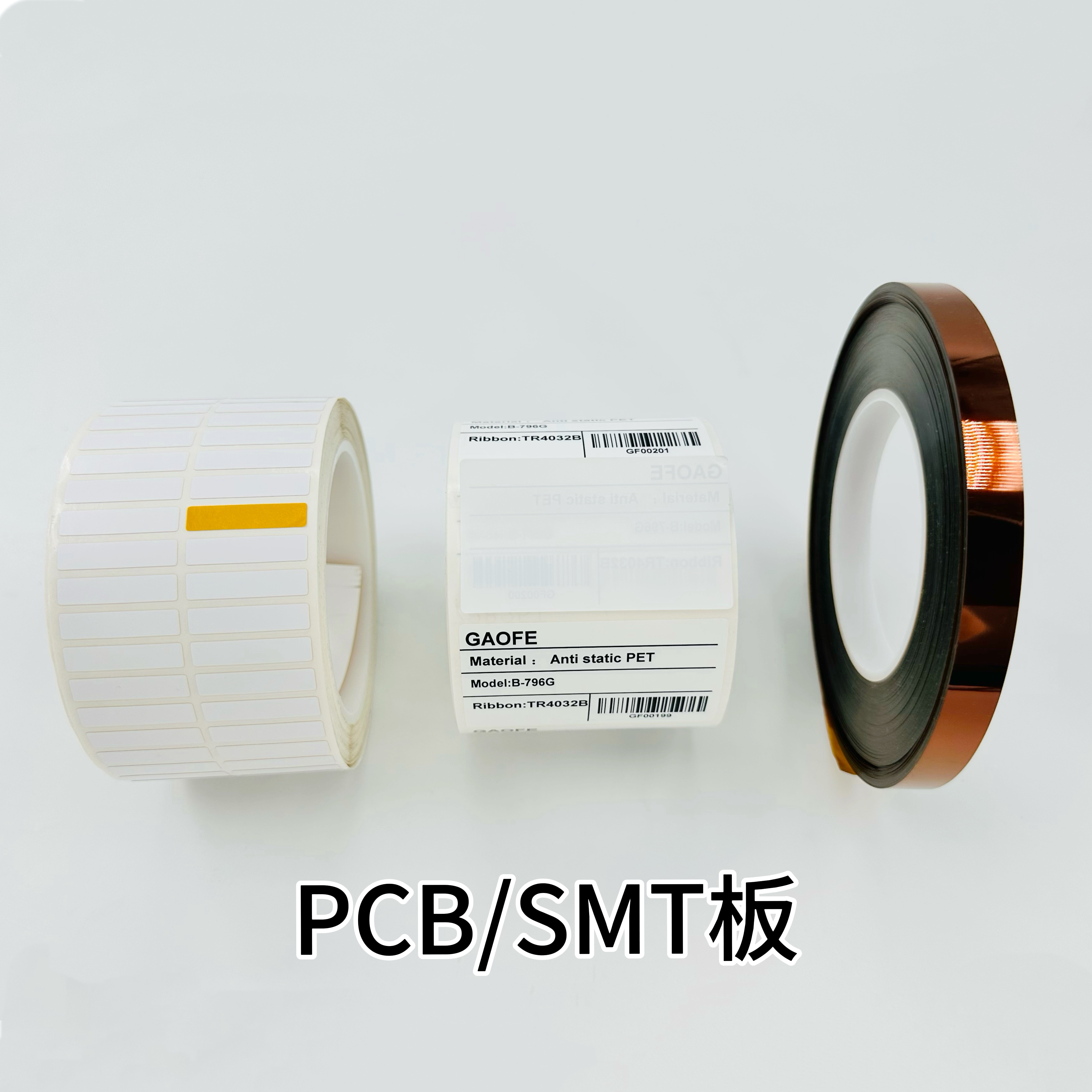
To solve these issues, manufacturers commonly use three professional high temperature materials:
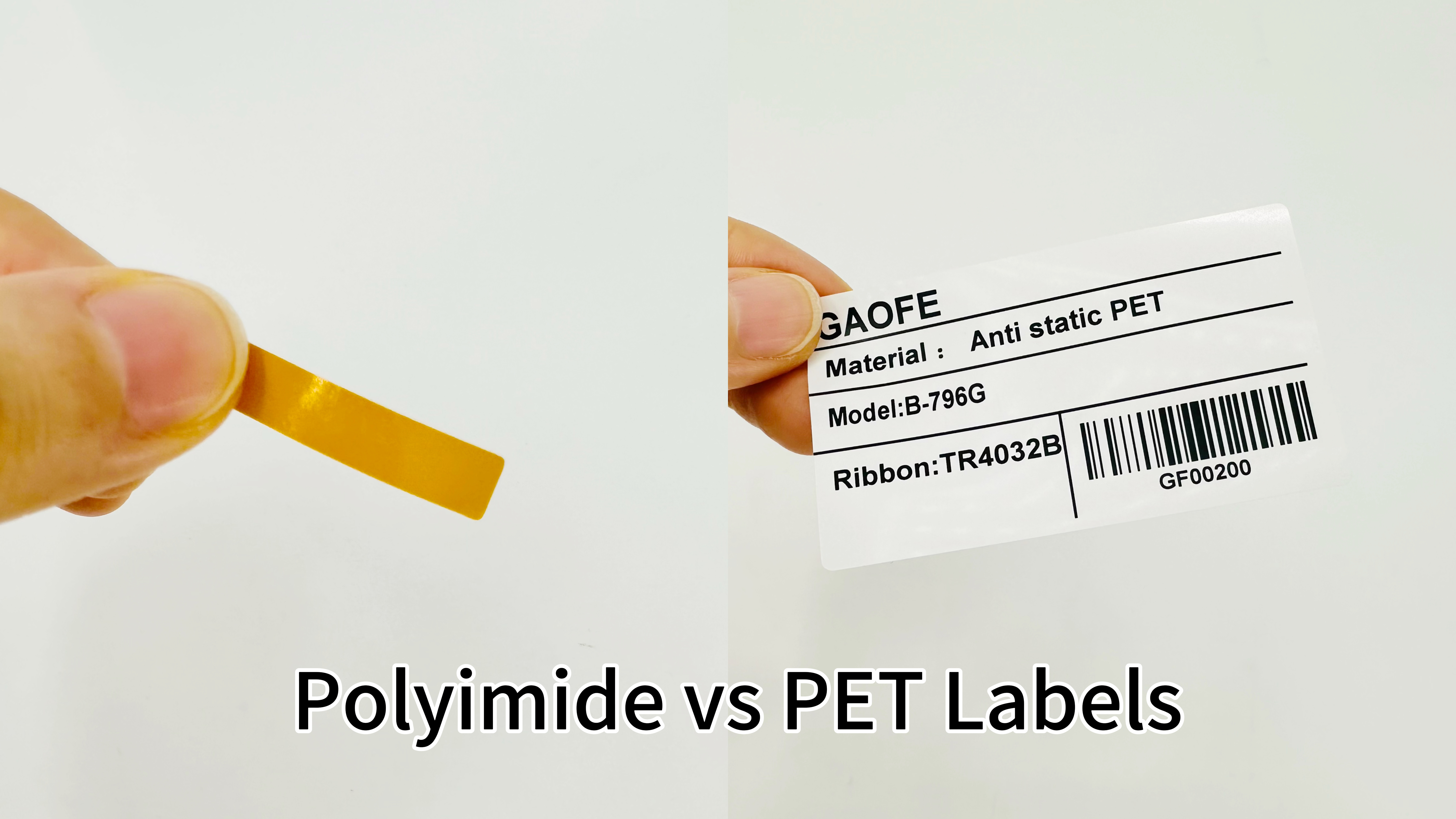
Although these materials are all designed for industrial environments, their appearance, flexibility, and application scenarios are very different.
This article explains the key differences between PI labels, PET labels, and high temperature tape to help you select the right solution for your application.
What Are High Temperature Labels?
High temperature labels are industrial identification labels designed to withstand elevated temperatures, harsh production conditions, and chemical exposure.
These labels are widely used for:
Barcode tracking
PCB identification
Industrial equipment labeling
Automotive component marking
Electronics manufacturing
Compared with standard labels, high temperature materials provide:
Better heat resistance
Stronger adhesive performance
Improved barcode durability
Higher chemical resistance
Long-term identification reliability
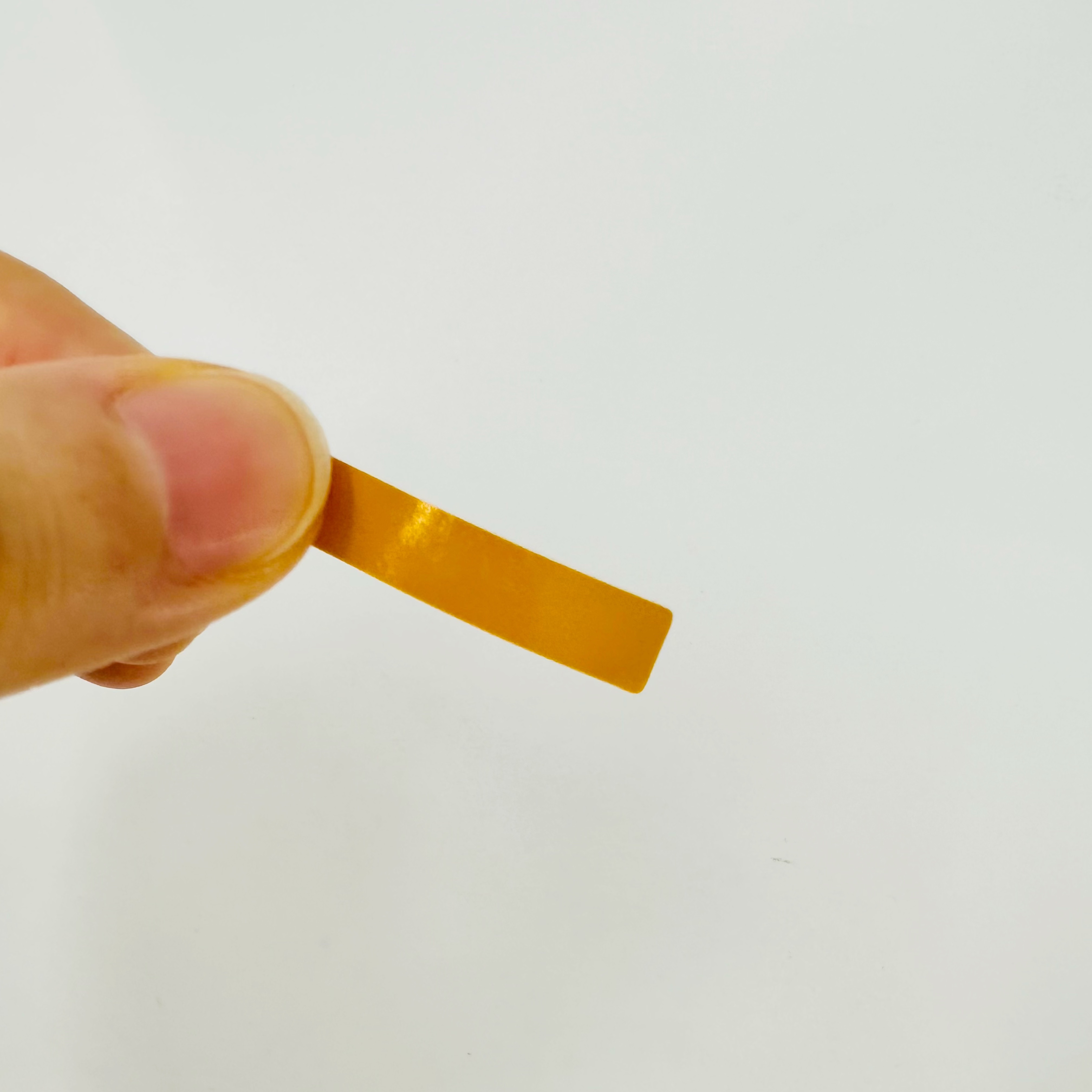
What Are Polyimide (PI) Labels?
Polyimide labels, also known as PI labels, are designed for extreme high temperature applications such as PCB manufacturing and electronics assembly.
Unlike ordinary labels, PI labels typically feature:
The material is highly conformable and suitable for curved surfaces, compact spaces, and electronic components.
Key Features of PI Labels
White printable surface with orange backing
Soft and flexible material
Excellent heat resistance
Strong chemical resistance
Stable barcode printing performance
Suitable for thermal transfer printing
PI labels are commonly used in environments involving soldering, reflow, and other high temperature manufacturing processes.
Common Applications
PCB Manufacturing
PI labels are widely used for PCB barcode tracking during wave soldering and reflow soldering.
Electronics Assembly
The flexible material allows PI labels to fit small electronic components and curved surfaces.
High Temperature Traceability
Manufacturers use PI labels to maintain reliable identification in harsh industrial processes.
What Are PET Labels?
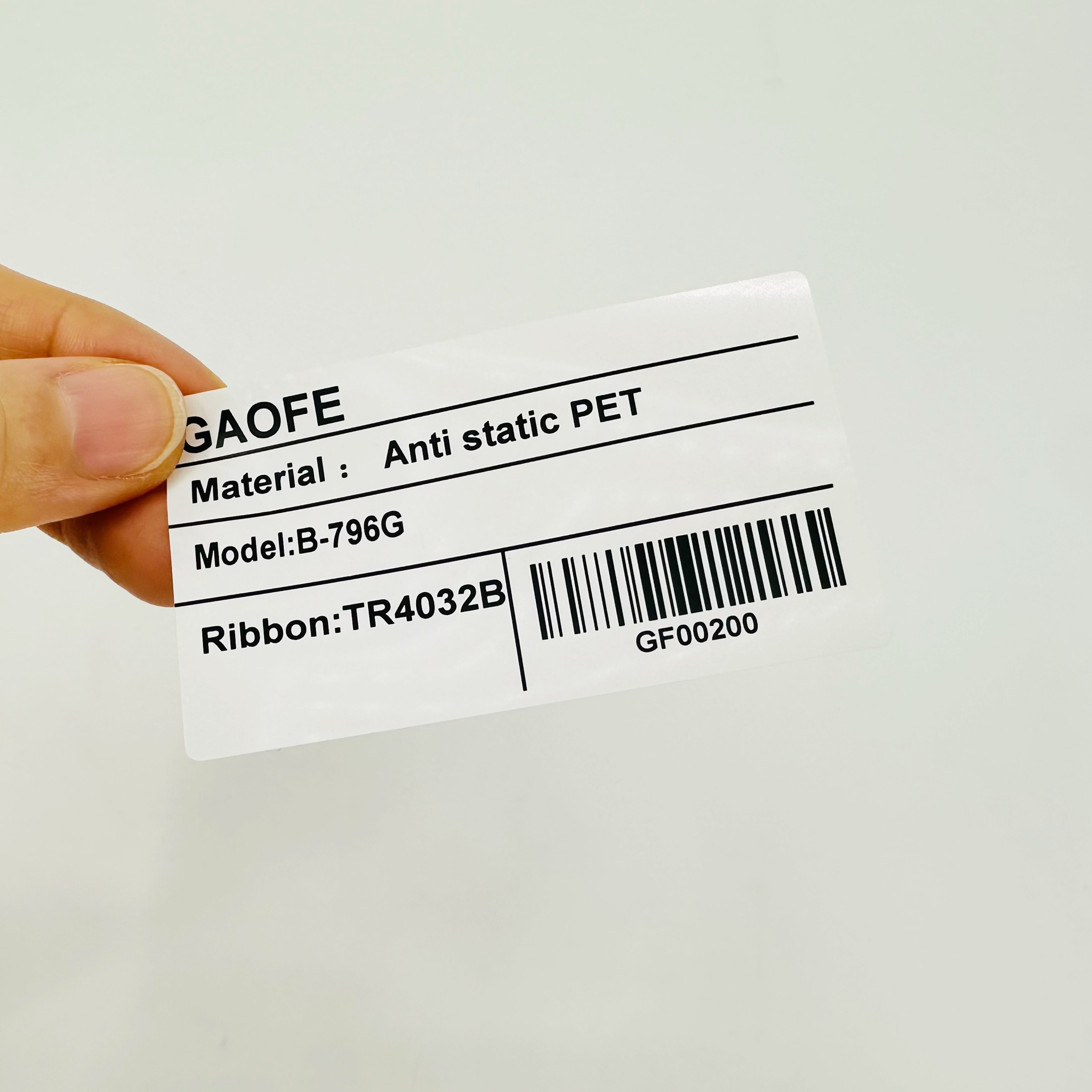
PET labels are industrial Polyester labels designed for medium to high temperature applications.
Compared with PI labels, PET labels usually feature:
Bright white appearance
Harder material structure
Strong dimensional stability
Durable surface performance
PET labels are more rigid and provide excellent print quality and durability for industrial identification applications.
Key Features of PET Labels
Bright white surface
Hard and durable material
Good heat resistance
Excellent barcode readability
Strong adhesion performance
Cost-effective industrial solution
PET labels are widely used for long-term industrial labeling and asset tracking.
Common Applications
Industrial Equipment Labels
PET labels are commonly applied to machinery, metal surfaces, and industrial equipment.
Automotive Components
The durable structure makes PET labels suitable for automotive and mechanical applications.
Barcode and Asset Tracking
PET labels provide excellent print clarity and reliable barcode scanning performance.
What Is High Temperature Polyimide Tape?
High temperature tape, also known as Polyimide tape or Kapton tape, is an amber-colored industrial tape designed for high heat masking and insulation applications.
Unlike labels, Polyimide tape is mainly used for protection and masking during industrial processing.
Key Features of High Temperature Tape
Amber translucent appearance
Excellent heat resistance
Electrical insulation performance
Chemical resistance
Clean removal after processing
Flexible polyimide film construction
Common Applications
PCB Masking
Polyimide tape is widely used to protect PCB areas during soldering processes.
Powder Coating
The tape masks surfaces that should remain uncoated during high temperature powder coating.
Electrical Insulation
Polyimide tape is commonly used in electronics and electrical insulation applications.
PI Labels vs PET Labels vs High Temperature Tape
| Feature | PI Labels | PET Labels | High Temperature Tape |
| Surface Color | White | Bright White | Amber |
| Backing Color | Orange | White | Amber |
| Material Feel | Soft & Flexible | Hard & Rigid | Thin & Flexible |
| Main Function | Identification | Identification | Masking & Protection |
| Heat Resistance | Excellent | Good | Excellent |
| Common Applications | PCB & Electronics | Industrial Equipment | PCB Masking |
How to Choose the Right Material
Choosing the correct high temperature material depends on your application environment and production process.
| Application | Recommended Material |
| PCB barcode tracking | PI Labels |
| Curved electronic surfaces | PI Labels |
| Industrial equipment labels | PET Labels |
| Automotive identification | PET Labels |
| High temperature masking | Polyimide Tape |
| Electrical insulation | Polyimide Tape |
If flexibility and extreme heat resistance are required, PI labels are usually the best option.
If you need a more rigid and durable industrial label, PET labels are often more suitable.
For masking and insulation applications, Polyimide tape remains the industry standard.
Why Material Selection Matters
In industrial manufacturing, label failure can lead to:
Using the correct high temperature material improves:
Selecting the right material is especially important in electronics manufacturing, automotive production, and industrial automation environments.
Conclusion
PI labels, PET labels, and high temperature Polyimide tape each provide unique advantages for industrial applications.
PI labels offer a soft, flexible structure with a white printable surface and orange backing, making them ideal for PCB and electronics applications.
PET labels feature a bright white and more rigid material structure, providing excellent durability for industrial equipment and barcode tracking.
High temperature Polyimide tape, recognized by its amber appearance, is widely used for masking, insulation, and high heat protection during manufacturing processes.
Choosing the correct material helps improve durability, barcode readability, and production reliability in high temperature industrial environments.
FAQ
What is the difference between PI labels and PET labels?
PI labels are softer and more flexible with an orange backing, while PET labels are brighter white and more rigid.
Are PI labels suitable for PCB manufacturing?
Yes. PI labels are widely used in PCB manufacturing because of their excellent heat resistance and flexibility
What is high temperature tape used for?
High temperature Polyimide tape is commonly used for PCB masking, electrical insulation, and powder coating protection.
Can PET labels withstand high temperatures?
PET labels provide good heat resistance and are suitable for many industrial and automotive applications.
Why are PI labels flexible?
PI labels use Polyimide material, which provides excellent flexibility and stability under high temperature conditions.


