Ever wonder how industries keep track of countless assets daily? Asset Identification Labels are the silent heroes behind this. They ensure durability and clear identification in tough conditions. In this post, you’ll learn how these labels support industries by enhancing safety, efficiency, and compliance.
Asset Identification Labels in Manufacturing and Industrial Facilities
In manufacturing and industrial settings, asset identification labels play a crucial role in keeping operations smooth and safe. They help identify parts, track batches, and maintain quality control. These labels ensure every component is accounted for and can be traced back, which is vital for recalls or audits.
Role in Part Identification, Batch Tracking, and Quality Control
Labels mark individual parts and batches, making it easier to monitor production stages and detect defects early. They also assist in inventory management and equipment maintenance. Clear, reliable labels prevent mix-ups and support quality assurance processes, boosting efficiency and reducing errors.
Requirements for Heat, Chemical, and Abrasion Resistance

Manufacturing environments often expose labels to harsh conditions such as:
High temperatures from machinery or processing
Chemical spills or exposure to solvents and oils
Physical abrasion from handling and equipment movement
Labels must withstand these challenges without fading, peeling, or smudging. Durable materials like polyester, vinyl, or polyimide are common choices because they resist heat and chemicals while staying legible.
Compliance with OSHA and Safety Regulations
Labels also contribute to workplace safety by displaying hazard warnings, safety instructions, and equipment operation guidelines. OSHA requires these labels to be clear and durable to ensure workers can easily read them even in tough conditions. Proper labeling reduces accidents and helps companies avoid costly fines.
Examples of Durable Label Materials Used
Some popular materials for industrial labels include:
Polyester: Strong, chemical-resistant, and heat-tolerant
Vinyl: Flexible and abrasion-resistant, ideal for curved surfaces
Polyimide: Handles extreme heat, often used on circuit boards
Laser-etched metal tags: Permanent, scratch-resistant for heavy machinery
These materials ensure labels stay functional and readable throughout the asset’s life, even in demanding industrial environments.
Tip: Choose label materials based on your facility’s specific environmental stresses to ensure long-lasting identification and compliance with safety standards.
Durable Asset Identification Labels in Healthcare and Pharmaceuticals
Ensuring Patient Safety and Regulatory Compliance
In healthcare and pharmaceuticals, asset identification labels are critical for patient safety. These labels help prevent medication errors by clearly identifying drugs, specimens, and medical devices. Regulatory bodies like the FDA and HIPAA require precise labeling to ensure traceability and accountability. Labels must remain intact and legible through various handling processes to avoid mix-ups that could harm patients.
Use on Medication Bottles, Specimen Bags, and Medical Equipment

Labels appear on medication bottles, specimen bags, IV bags, and medical equipment. Each label carries vital information such as patient details, dosage instructions, lot numbers, and expiration dates. For example, specimen bags need waterproof labels to withstand refrigeration and transport. Medical equipment labels often include asset tracking codes to facilitate maintenance and audits.
Need for Tamper-Evident and High-Resolution Labels
Tamper-evident labels are essential in pharmaceuticals to detect unauthorized access or contamination. These labels break or show visible signs if someone tries to remove or alter them. High-resolution printing ensures barcodes and text are crisp for scanning and easy reading, reducing human error. Labels with bright colors or special coatings can also help differentiate products quickly.
Materials and Technologies for Sterilization Resistance
Healthcare environments demand labels that survive sterilization methods like autoclaving, chemical disinfectants, and gamma radiation. Materials such as polycarbonate, polyester, and specially coated vinyl resist heat, moisture, and chemicals without fading or peeling. Thermal transfer printing with durable ribbons produces long-lasting images. Some labels incorporate antimicrobial coatings to reduce infection risks.
Tip: Choose labels made from sterilization-resistant materials and equipped with tamper-evident features to ensure safety and compliance in healthcare applications.
Application of Asset Identification Labels in Aerospace and Aviation
Challenges of Extreme Temperatures, UV Exposure, and Altitude
Aerospace and aviation industries face tough environmental conditions. Labels must survive extreme temperature swings—from freezing high altitudes to hot engine areas. UV exposure from sunlight at high altitudes can quickly fade or degrade ordinary labels. Pressure changes and vibration also test label adhesion and durability. Labels must remain legible and intact to ensure safety and traceability throughout an aircraft’s lifecycle.
Lightweight Yet Durable Labeling Solutions
Weight matters in aviation. Even small additions can impact fuel efficiency. Labels need to be lightweight without sacrificing strength or durability. Materials like Metalphoto® anodized aluminum offer an ideal balance. They are thin and light but resist scratches, chemicals, and weathering. This ensures labels stay readable while minimizing added weight on aircraft parts.
Compliance with FAA and IATA Standards
Aviation labeling must meet strict regulations. The Federal Aviation Administration (FAA) and International Air Transport Association (IATA) set standards for label durability, legibility, and placement. Labels often carry critical info such as part numbers, maintenance data, and safety warnings. Non-compliance risks costly fines and safety hazards. Durable labels help companies meet these standards reliably.
Use of Metalphoto® Anodized Aluminum Labels
Metalphoto® anodized aluminum labels are widely used in aerospace for their unmatched durability. They resist corrosion, abrasion, chemicals, and UV radiation. The image is embedded into the metal surface, preventing fading or peeling over time. These labels perform well in extreme temperatures and pressure changes. Their lightweight nature also supports aircraft performance goals.
Tip: Choose Metalphoto® anodized aluminum labels for aerospace applications to ensure compliance, durability, and minimal weight impact under harsh environmental conditions.
Asset Identification Labels in Oil and Gas Industry
Durability under Harsh Offshore and Refinery Conditions
The oil and gas industry operates in some of the toughest environments on Earth. Offshore platforms face constant exposure to saltwater spray, strong winds, and heavy rain. Refineries deal with chemical vapors, heat, and abrasive dust. Asset identification labels in these settings must endure such conditions without fading, peeling, or losing adhesion. Durable labels ensure critical equipment, pipelines, and safety markers remain clearly marked for easy identification and maintenance.
Resistance to Saltwater, Petroleum, and Extreme Temperatures
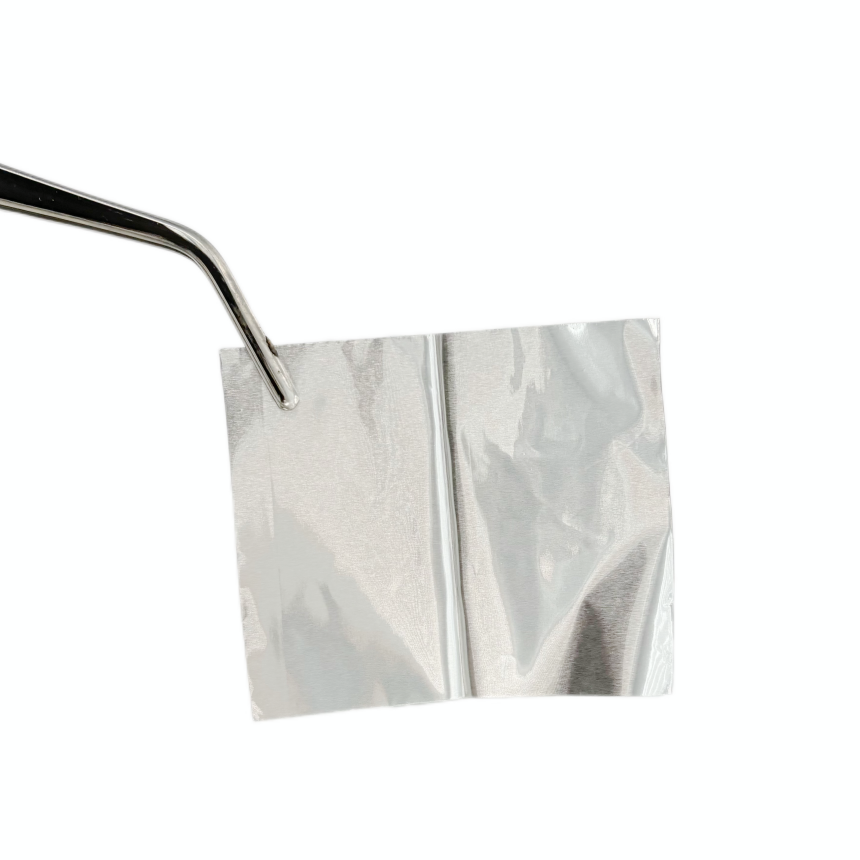
Saltwater is highly corrosive, quickly degrading ordinary labels. Petroleum products and chemicals can dissolve or smudge standard inks and adhesives. Temperatures can swing from freezing cold to intense heat near machinery or flare stacks. Labels used in oil and gas must resist these factors. Materials like Metalphoto® anodized aluminum and specially coated polyester withstand saltwater corrosion, chemical exposure, and temperature extremes, preserving legibility and adhesion.
Importance of Corrosion-Resistant and UV-Tolerant Labels
Labels exposed to sunlight offshore or in open refinery yards face UV radiation that causes fading and brittleness.Corrosion from salt and chemicals further threatens label integrity. Corrosion-resistant and UV-tolerant labels maintain their appearance and readability over long periods. This durability reduces the need for frequent replacements, lowering maintenance costs and minimizing downtime caused by unclear or missing labels.
Safety and Regulatory Compliance through Clear Labeling
Clear, durable labels are vital for safety in oil and gas operations. They identify hazardous areas, equipment status, and emergency procedures. Regulatory agencies require proper labeling to prevent accidents and ensure worker safety. Durable asset labels help companies comply with OSHA, EPA, and industry-specific standards by providing reliable, visible information even in harsh conditions. This clarity supports safer work environments and efficient emergency responses.
Tip: Select corrosion-resistant, UV-stable labels like Metalphoto® anodized aluminum for oil and gas applications to ensure long-lasting identification and regulatory compliance in extreme environments.
Role of Asset Identification Labels in Logistics and Warehousing
Warehouse labels and logistics labels are essential tools for modern inventory management and supply chain operations. Warehouse labels enable accurate stock identification, location tracking, and inventory control, while logistics labels facilitate package tracking, shipping management, and delivery accuracy. By implementing durable and scannable labeling solutions, businesses can improve warehouse efficiency, streamline logistics workflows, reduce operational errors, and maintain real-time visibility across the entire supply chain.
Package Tracking and Inventory Management
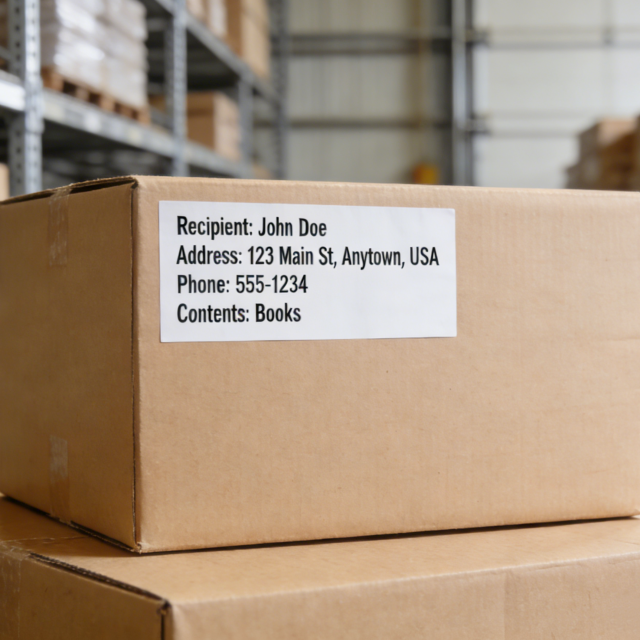
Labels carry vital information such as product codes, destinations, and handling instructions. They enable real-time tracking of packages from warehouse shelves to delivery trucks. This visibility helps avoid lost or misplaced items and supports accurate stock counts. Inventory managers rely on labels to quickly identify products, check quantities, and reorder supplies before running out.
Use of Thermal and Barcode Labels for Scanning Efficiency
Thermal labels are common in logistics because they print quickly and last long without ink cartridges. Barcodes printed on these labels can be scanned instantly by handheld or fixed scanners, speeding up sorting and shipping processes. Quick scanning reduces manual data entry and human error, improving overall accuracy. QR codes and RFID tags are also increasingly used for faster, contactless scanning.
Durability Against Rough Handling and Temperature Variations
Packages in warehouses and transit face rough handling, including stacking, dropping, and exposure to temperature swings. Labels must resist tearing, smudging, and fading to remain readable throughout the supply chain. Materials like polyester or vinyl with strong adhesives ensure labels stick firmly on various surfaces, including cardboard, plastic, and metal. This durability prevents delays caused by unreadable or missing labels.
Contribution to Operational Speed and Accuracy
Efficient labeling directly impacts the speed of warehouse operations. Clear, durable labels allow workers to pick, pack, and ship orders faster. They reduce mistakes such as sending wrong items or mislabeling shipments. This accuracy improves customer satisfaction and lowers costs from returns or lost goods. Automated systems also depend on reliable labels to maintain smooth workflows.
Tip: Use high-quality thermal barcode labels with strong adhesives to ensure package tracking remains accurate and labels withstand rough handling and temperature changes in logistics environments.
Asset Identification Labels in Construction and Heavy Equipment
Construction and heavy equipment industries rely heavily on durable asset identification labels. These labels ensure proper equipment tracking, safety compliance, and operational clarity on busy, often harsh job sites.
Labeling for Equipment Identification and Safety Instructions
Labels on construction machinery and tools provide crucial details like asset numbers, maintenance schedules, and safety warnings. Clear identification helps workers quickly recognize equipment, reducing errors and downtime. Safety instructions printed on labels guide proper use, minimizing accidents. For example, labels on heavy machinery might display load limits or emergency shutdown steps to protect operators.
Resistance to Dust, Dirt, UV Rays, and Physical Impact
Construction sites expose labels to tough elements. Dust and dirt can obscure or damage labels, while constant handling subjects them to abrasion and impact. Prolonged outdoor use means UV rays can fade inks, making labels unreadable. Labels must resist these stresses to remain effective. Materials like rugged vinyl and specially coated plastics provide strong adhesion and durability, keeping labels intact and legible despite harsh conditions.
Use of Rugged Vinyl Decals and Laser-Etched Metal Labels
Vinyl decals are popular for their flexibility and resistance to dirt and moisture. They conform to curved surfaces and withstand rough handling. For extreme durability, laser-etched metal labels offer permanent marking that resists scratching, fading, and chemical exposure. These metal tags are ideal for heavy equipment exposed to frequent impact or harsh weather. Combining vinyl decals for general labeling and metal tags for critical info ensures comprehensive asset identification.
Ensuring Safety and Operational Clarity on Job Sites
Durable labels improve safety by clearly communicating hazards and operational procedures. They reduce confusion, helping workers follow protocols and avoid injury. Proper labeling also supports equipment audits, maintenance tracking, and regulatory compliance. When labels stay readable despite tough conditions, job sites run more smoothly and safely. This clarity contributes to fewer accidents, better equipment care, and improved overall productivity.
Tip: Use a combination of rugged vinyl decals and laser-etched metal labels to ensure long-lasting, clear asset identification and safety information on construction equipment exposed to dirt, impact, and UV exposure.
Asset Identification Labels in Retail and E-commerce
In retail and e-commerce, asset identification labels play a key role in keeping products organized and operations running smoothly. They help maintain inventory accuracy, improve shelf appeal, and enhance the customer experience through clear, attractive labeling.
Maintaining Inventory Accuracy and Shelf Appeal
Labels help retailers track stock levels and locations precisely. They display product names, prices, and barcodes, making it easy for staff to scan and update inventory systems quickly. Accurate labeling prevents stockouts and overstock situations, saving time and money.At the same time, labels contribute to shelf appeal. Durable labels maintain vibrant colors and sharp text despite exposure to light, moisture, or frequent handling. This keeps shelves looking neat and professional, which attracts customers and encourages purchases.
Barcode and Promotional Labels for Customer Engagement
Barcodes are the backbone of quick checkouts and efficient inventory management. Labels printed with high-quality barcodes scan easily, reducing wait times and errors during sales. Retailers also use promotional labels to highlight discounts, new arrivals, or special offers. These eye-catching labels can boost sales and guide customer choices.In e-commerce, barcode labels speed up order processing and shipping. Scannable labels ensure that the right products go to the right customers, minimizing mistakes and returns.
Customized Branding through Durable Labels
Durable labels offer retailers a chance to reinforce brand identity. Customized labels can feature logos, brand colors, or unique designs that set products apart on crowded shelves or in packages. These labels withstand shipping, handling, and environmental factors without fading or peeling, maintaining a professional appearance.For online sellers, branded labels on packaging add a personal touch that enhances customer loyalty and repeat business. They also communicate quality and attention to detail, important factors in competitive markets.
Improving Order Fulfillment and Reducing Shipping Errors
In e-commerce fulfillment centers, durable asset labels ensure orders are correctly picked, packed, and shipped. Labels with clear barcodes and product info help warehouse staff quickly identify items, reducing delays and errors. Strong adhesives keep labels firmly attached through transit, even in varying temperatures or rough handling.By improving accuracy and speed, these labels enhance customer satisfaction and reduce costly returns or reshipments. Reliable labeling also supports automated sorting systems, boosting overall operational efficiency.
Tip: Use durable, high-quality barcode and promotional labels to maintain inventory accuracy, enhance brand visibility, and reduce shipping errors in retail and e-commerce operations.
Conclusion
Durable asset identification labels meet unique needs across industries like manufacturing, healthcare, aerospace, and retail. Choosing the right labels ensures safety, compliance, and operational efficiency. Innovations in materials and printing enhance durability and readability under harsh conditions. Expert suppliers help companies maintain standards and improve workflows. GAOFE International Industrial Co.,Ltd. offers high-quality labeling solutions that deliver long-lasting performance and value for diverse industrial applications.
FAQ
Q: What are asset identification labels and why are they important?
A: Asset identification labels are durable tags used to mark and track assets across industries. They ensure accurate identification, improve inventory management, and support safety and regulatory compliance.
Q: How do asset identification labels withstand harsh industrial conditions?
A: Labels made from materials like polyester, vinyl, and Metalphoto® anodized aluminum resist heat, chemicals, abrasion, and UV exposure, maintaining legibility in tough environments.
Q: Why are tamper-evident asset identification labels crucial in healthcare?
A: They prevent unauthorized access or contamination by showing visible signs of tampering, ensuring patient safety and regulatory compliance.
Q: How do asset identification labels benefit logistics and warehousing operations?
A: Durable barcode labels improve package tracking, reduce errors, and enhance scanning efficiency, speeding up inventory management and shipping.
Q: What factors affect the cost of asset identification labels?
A: Costs vary based on material durability, label size, printing technology, and special features like tamper-evidence or sterilization resistance.


