Polyester labels are used to identify equipment, assets, components and industrial products when ordinary paper labels may wear out too quickly. They can carry serial numbers, barcodes, electrical ratings, maintenance information and other details that need to remain readable during use.
Polyester, also called PET, provides a durable film base. However, a label’s performance depends on its adhesive, printable coating, printing method and operating environment. Choosing the right construction helps keep identification attached and readable throughout the intended service life.
What Makes Polyester Suitable for Industrial Labels?
An industrial label needs to do two jobs: stay attached and preserve its information. Polyester film can support both, provided the other parts of the label are selected correctly.
A Durable Film for Everyday Handling
Compared with ordinary uncoated paper, polyester film generally offers better resistance to tearing and moisture. This makes it useful where labels face repeated handling, occasional splashes or routine cleaning.
The film alone does not determine chemical resistance or outdoor life. A label may remain intact while its printed information fades, smears or rubs off. The printed surface must be evaluated alongside the film.
Different Finishes and Printing Options
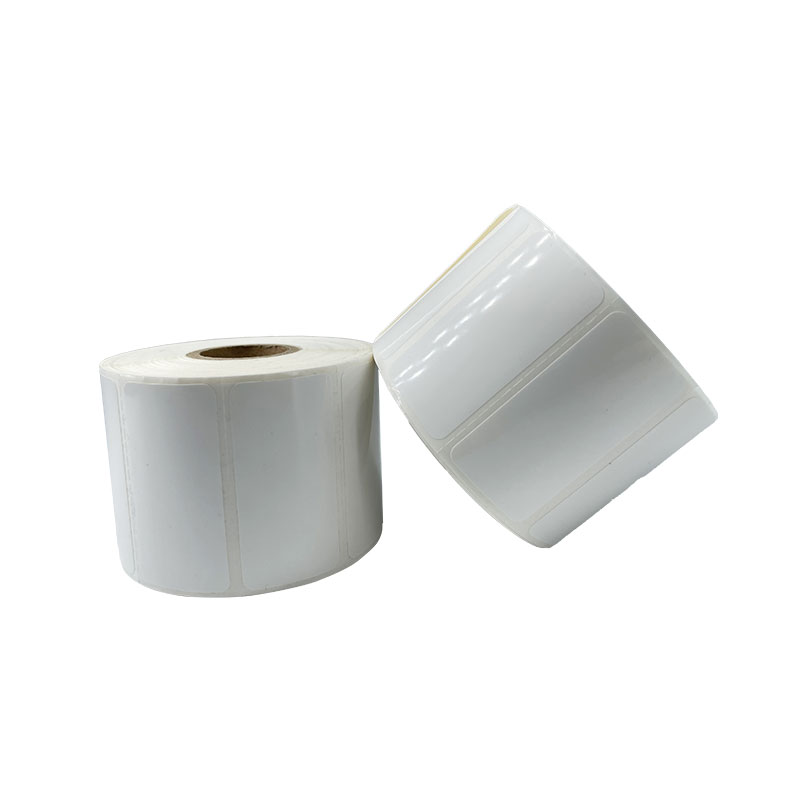
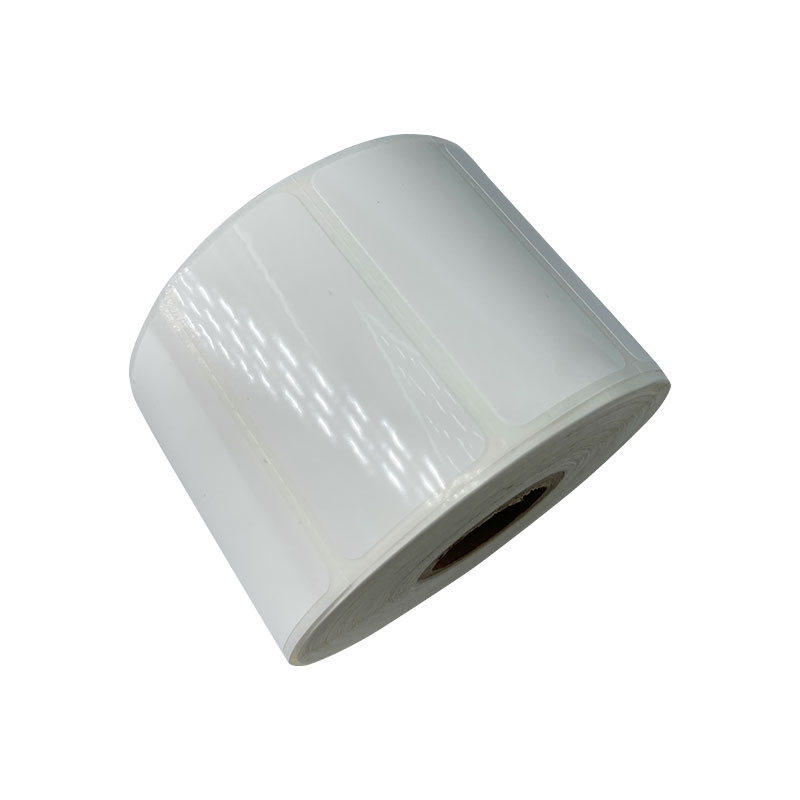
White polyester provides a clear background for text and barcodes. Silver finishes can suit equipment identification where a metallic appearance is preferred. Gloss and matte surfaces also affect appearance and reflections under inspection lighting.
For example, GAOFE’s glossy PET polyester labels provide a white film option for identification applications.
The printable coating must match the printing process. A polyester label designed for thermal transfer printing should not automatically be treated as suitable for inkjet or laser printing.
Main Industrial Applications for Polyester Labels
Asset Tracking and Maintenance Records
Polyester asset labels can identify tools, production equipment, computers, inspection instruments and other company assets.
A barcode or QR code can link an item to an asset register containing its location, maintenance history and responsible department. The label carries the identifier; the connected software stores and manages the records.
When reviewing asset identification labels, consider where employees will scan them. A visible, protected position is usually more practical than a location exposed to constant rubbing or difficult camera angles.
Equipment Nameplates and Rating Information
Industrial polyester labels can carry model numbers, serial numbers, voltage information and operating instructions on equipment housings.
They are useful where a thin adhesive label fits the design and the expected exposure has been validated. They should not automatically replace a metal nameplate where mechanical damage, severe heat or a particular specification calls for another marking method.
Safety-related markings need additional attention. The UL Solutions Marking and Labeling Systems Program explains how marking systems are evaluated for permanence and specific conditions of use. If recognition is required, verify the exact label construction and its permitted application conditions.
Component Identification and Production Traceability
Manufacturers use PET identification labels to connect components with part numbers, batches, inspection results and assembly records.
Typical locations include component housings, electrical assemblies and subassemblies. The label should be applied before the stages it needs to track, but only if it can withstand those processes.
For electronics, additional requirements may apply. GAOFE offers ESD PET labels for PCB and electronics assembly. Suitability should be checked against the actual ESD handling requirements and process conditions. Standard polyester labels should not be assumed suitable for solder reflow.
Reusable Containers and Industrial Storage
Polyester barcode labels can identify reusable bins, parts trays and storage locations where paper labels suffer from handling or moisture.
Reusable containers require careful adhesive selection. Some plastics are difficult to bond to, while textured surfaces reduce adhesive contact. Washing processes may also expose the label to chemicals, pressure and elevated temperatures.
| Application | Information commonly printed | Main selection concern |
| Equipment assets | Asset ID, barcode, department | Scanning access and handling wear |
| Equipment identification | Model, serial number, ratings | Surface adhesion and marking permanence |
| Components | Part number, batch, traceability code | Process exposure and available label area |
| Reusable containers | Container ID, barcode | Plastic surface and cleaning conditions |
How to Select Polyester Labels for Your Application
Match the Adhesive to the Actual Surface
“Permanent adhesive” does not mean reliable bonding on every material.
Smooth metal, powder-coated steel and molded plastic can require different adhesive characteristics. Curved surfaces, oil contamination and surface texture can also cause lifting.
Tell the supplier what the label will be attached to. Where possible, provide the actual component or a representative sample. Confirm surface preparation, application temperature and the time needed for the adhesive bond to develop before testing.
Define the Exposure Conditions
Replace broad requirements such as “heat resistant” or “chemical resistant” with specific conditions.
Useful details include:
Normal operating temperature and brief temperature peaks.
Whether exposure is continuous or occasional.
Cleaning chemicals, their concentrations and contact times.
Indoor or outdoor installation.
Expected rubbing, handling and moisture.
Required identification life.
A short splash of a cleaning agent differs from repeated wiping or immersion. Likewise, a brief temperature peak differs from continuous operation at that temperature.
Ask for performance data covering the complete printed label under relevant conditions.
Match the Print System to the Label Coating
Thermal transfer printing is one option for variable industrial information. It uses a ribbon to transfer the printed image onto a compatible label surface.
For demanding applications, a suitable resin ribbon may be considered, but ribbon chemistry and printer settings must match the label coating.
Other coatings serve different processes. GAOFE’s glossy silver PET inkjet labels, for example, are presented for inkjet printing. Confirm compatibility with the intended ink and printer before ordering.
Check Barcode Layout and Scan Performance
A durable material cannot compensate for a poorly designed barcode. Code size, contrast, print quality and the clear space around the code all affect readability.
Test the label with the scanners and viewing distances used on site. Glossy surfaces should also be checked under actual lighting because reflections can interfere with scanning.
Where formal verification is required, the GS1 barcode verification guidelines provide guidance on assessing barcode quality and encoded data integrity.
Validate Samples Before Ordering Production Quantities
Test printed samples on the intended surface using the planned application process.
Allow the adhesive to develop its bond according to supplier instructions. Then expose the samples to representative handling, cleaning and environmental conditions.
Check for:
Edge lifting, bubbles or label movement.
Shrinkage, cracking or visible damage.
Smearing, fading or loss of printed information.
Barcode readability after exposure.
Adhesive performance on curved or textured areas.
Set acceptance criteria before testing. An equipment rating label may need to remain readable throughout the product’s service life, while a temporary production label may have a shorter requirement.
For a useful supplier discussion, prepare the label dimensions, surface material, printing method, expected exposure, annual quantity and any required approvals.
Frequently Asked Questions
1. Are polyester labels waterproof?
Polyester film resists water better than ordinary paper, but the complete label is not automatically suitable for immersion or pressure washing. Adhesive performance and print durability must also be verified.
2. Can polyester labels be used outdoors?
Some constructions are suitable for outdoor use. Confirm resistance to sunlight, moisture and temperature changes, together with the expected exposure period. Indoor durability does not establish outdoor performance.
3. Do all polyester labels work with thermal transfer printers?
No. The coating must be compatible with thermal transfer printing, and the ribbon must match that coating. Inkjet and laser printing require their own compatible label constructions.
4. Will polyester labels stick to metal and plastic?
They can, with a suitable adhesive and proper application. Performance varies with the surface finish, cleanliness, curvature and type of plastic. Testing on the actual surface is the most reliable approach.
5. Are polyester labels suitable for PCB reflow soldering?
Do not assume they are. Reflow exposes labels to a specific temperature profile and process environment. Ask for a material validated for that process; a suitable polyimide construction may be considered where required.
Discuss Your Industrial Identification Requirements
Choosing polyester labels starts with the surface, the information being printed and the conditions the label will face.
Contact GAOFE with your label size, application surface, printing method and exposure requirements to discuss suitable PET label options and the information needed for sample evaluation.


