Are you struggling to find the perfect labeling solution for your products? Custom vulcanized labels play a crucial role in various industries, ensuring durability and compliance. Choosing the right labels can significantly impact product tracking and brand visibility.
In this article, we’ll explore how to select the ideal custom vulcanized labels for your needs. You’ll learn about key considerations, performance features, and customization options. Let’s dive in to make informed labeling decisions!
Understanding Custom Vulcanized Labels
What Are Custom Vulcanized Labels?
Custom vulcanized labels are specialized identification tags designed for harsh industrial environments. They are made to withstand extreme conditions, such as high temperatures and chemical exposure. Unlike standard labels, these labels bond permanently during the vulcanization process, ensuring they remain intact throughout a product's lifecycle.
Key Differences:
Feature | Custom Vulcanized Labels | Standard Labels |
Adhesion | Permanent bond during curing | Temporary adhesive |
Heat Resistance | Can withstand up to 200°C | Generally lower heat resistance |
Chemical Resistance | High resistance to solvents and oils | Limited chemical resistance |
Lifespan | Designed for long-term use (5-10 years) | Shorter lifespan |
These labels are ideal for applications where durability and reliability are paramount, making them essential for industries like tire manufacturing and automotive.
Applications of Custom Vulcanized Labels
Custom vulcanized labels find extensive use across various industries. Here are some key sectors:
1. Tire Manufacturing: In this industry, vulcanized labels are applied to tires before the curing process. They provide essential tracking information, such as DOT codes and batch numbers. This ensures compliance with safety regulations and enhances traceability throughout the production line.
2. Automotive Industry: These labels are crucial for identifying components in vehicles. They help manage inventory and ensure that parts meet quality standards. For instance, vulcanized labels can withstand the harsh conditions of engine compartments, where exposure to oils and heat is common.
3. Medical Sector: In medical applications, custom vulcanized labels are used for labeling devices and packaging. They must meet stringent regulatory requirements and maintain legibility even after sterilization processes. This ensures that critical information remains accessible.
GAOFE International Industrial Co., Ltd. stands out as a leading provider of custom vulcanized labels. With over 16 years of expertise, they specialize in producing high-quality labels that meet the demands of various industries. Their products are engineered to endure extreme conditions, making them a trusted choice for businesses seeking reliable labeling solutions. By focusing on innovation and quality, GAOFE continues to set the standard for custom vulcanized labels in the market.
Key Considerations When Choosing Custom Vulcanized Labels
Application and Environmental Conditions
When selecting custom vulcanized labels, it's crucial to consider the environment where they will be used. Different applications expose labels to varying conditions, including heat, chemicals, and UV light. For instance, labels used in tire manufacturing must withstand high temperatures during the curing process. On the other hand, labels in outdoor environments need to resist UV degradation.
Durability Requirements:
Application Type | Environmental Factors | Durability Needs |
Tire Manufacturing | High heat, moisture | Heat-resistant, long-lasting |
Automotive Components | Oils, chemicals | Chemical-resistant, durable |
Medical Devices | Sterilization, moisture | High adhesion, legible post-sterilization |
Understanding these factors helps ensure the labels perform well and last throughout their intended use.
Material Compatibility and Adhesion
The materials used in custom vulcanized labels play a vital role in their effectiveness. Common materials include PET polyester film and silicone. Each material has unique properties that make it suitable for specific applications. For example, GAOFE’s PET polyester film is designed to withstand the rigors of tire vulcanization. It offers excellent heat resistance and maintains clarity even under extreme conditions.
Adhesive Types:
● Rubber-based Adhesives: Provide strong, permanent bonds post-vulcanization.
● Acrylic Adhesives: Offer good initial tack but may not withstand high temperatures as well.
Choosing the right adhesive is essential for ensuring long-lasting bonds. Labels that peel or degrade can lead to compliance issues and loss of critical information.
Compliance and Regulatory Requirements
Meeting industry standards is non-negotiable when selecting custom vulcanized labels. Relevant regulations, such as ASTM and ISO standards, dictate the performance and quality of labeling solutions. These standards ensure that labels can withstand the conditions they will face in various applications.
Key Standards:
Standard | Focus Area | Importance |
ASTM D1000 | Adhesion testing | Ensures strong bond |
ISO 9001 | Quality management systems | Guarantees consistent quality |
Compliance not only helps in maintaining product integrity but also protects businesses from potential legal ramifications. By choosing labels that meet these standards, companies can ensure they are upholding safety and quality in their products.
In summary, considering application conditions, material compatibility, and compliance requirements is essential when selecting custom vulcanized labels. These factors ensure labels perform effectively and meet industry standards, ultimately supporting product quality and safety.
Performance Features to Look For
Heat Resistance
Heat resistance is a critical factor when choosing custom vulcanized labels. During the vulcanization process, labels are exposed to high temperatures, which can affect their integrity and performance. Labels must withstand these conditions without losing adhesion or clarity.
Recommended Temperature Thresholds:
Application Type | Recommended Temperature Range |
Tire Manufacturing | Up to 170°C |
Automotive Parts | Up to 150°C |
Industrial Equipment | Up to 130°C |
GAOFE’s labels are specifically designed to endure temperatures up to 170°C during the vulcanization process, ensuring they remain intact and functional throughout their lifecycle.
Chemical and Solvent Resistance
In industrial environments, labels often come into contact with various chemicals and solvents. Therefore, chemical resistance is essential for maintaining label integrity. Labels that can resist harsh substances help prevent degradation and ensure longevity.
Common Chemicals to Consider:
● Oils and Greases
● Solvents (e.g., acetone, alcohol)
● Cleaning Agents
GAOFE excels in producing chemical-resistant labels, utilizing advanced printing capabilities that ensure durability even in the harshest conditions. This makes them an ideal choice for applications where exposure to chemicals is common.
Scannability and Print Quality
Having clear and readable labels is vital, especially for barcodes and QR codes. Poor print quality can lead to scanning issues, causing delays in production and inventory management. Therefore, ensuring high print quality is crucial.
Recommended Printing Methods:
● Thermal Transfer Printing: Offers high-resolution prints and durability.
● Flexographic Printing: Ideal for large runs, providing consistent quality.
Investing in quality printing technology can significantly enhance label readability. GAOFE’s commitment to using advanced printing techniques ensures that their custom vulcanized labels maintain high standards of scannability and print quality, making them reliable for various applications.
Customization Options for Vulcanized Labels
Size and Shape Customization
Choosing the right size and shape for custom vulcanized labels is essential for ensuring they fit the product perfectly. A well-sized label not only enhances aesthetics but also improves functionality. Labels that are too large may peel off, while those that are too small might not convey necessary information.
Common Shapes and Sizes:
Shape | Typical Use |
Rectangular | General product labeling |
Circular | Branding or logo applications |
Square | Compact information labels |
Custom Shapes | Unique branding requirements |
By selecting the appropriate size and shape, businesses can ensure their labels are both visually appealing and effective in conveying critical information.
Color and Design Customization
Customizing colors for vulcanized labels offers significant benefits for branding and product identification. Colors evoke emotions and can influence consumer choices. Thus, aligning label colors with brand identity is crucial.
Considerations for Design Elements:
● Logos: Including a company logo enhances brand recognition.
● Text: Clear, legible fonts are vital for readability.
● Background Colors: Ensure contrast with text for better visibility.
Integrating these design elements thoughtfully can create a strong visual impact, making products stand out on the shelf.
Printing Content Customization
The content printed on custom vulcanized labels is equally important. Labels should convey essential information clearly and concisely. This includes details like serial numbers, batch codes, and product specifications.
Types of Information to Include:
● Serial Numbers: For tracking and inventory management.
● Batch Codes: Important for quality control and recalls.
● Product Descriptions: Brief descriptions help consumers understand the product.
Ensuring legibility and clarity in printed content is crucial. Poorly printed labels can lead to miscommunication and operational inefficiencies. Therefore, investing in high-quality printing techniques is essential for maintaining label integrity.
By considering size, color, and printed content, businesses can create custom vulcanized labels that not only meet functional requirements but also enhance brand visibility and consumer engagement.
Recommended Printing Solutions for Custom Vulcanized Labels
Choosing the Right Printer
Selecting the right printer is crucial for producing high-quality custom vulcanized labels. Not all printers are compatible with the specific requirements of vulcanized labels, so it’s essential to choose wisely. Look for printers that can handle the demands of industrial environments, ensuring durability and clarity in every print.
Key Specifications to Consider:
Specification | Importance |
DPI (Dots Per Inch) | Higher DPI ensures better resolution and clarity. |
Speed | Faster printing helps maintain production efficiency. |
Compatibility | Ensure the printer is compatible with GAOFE labels and materials. |
For optimal performance, consider GAOFE-compatible industrial thermal transfer printers. These printers are designed to deliver excellent results, ensuring your labels withstand the rigors of their intended applications.
Selecting the Best Printing Ribbons
The choice of printing ribbon significantly impacts the durability and adhesion of custom vulcanized labels. Different ribbon types offer varying levels of performance, so it's essential to select the right one based on your specific needs.
Recommended Ribbon Types:
● Wax Ribbons: Good for general-purpose printing but may not withstand high temperatures.
● Resin Ribbons: Ideal for high-temperature environments, providing superior durability and adhesion.
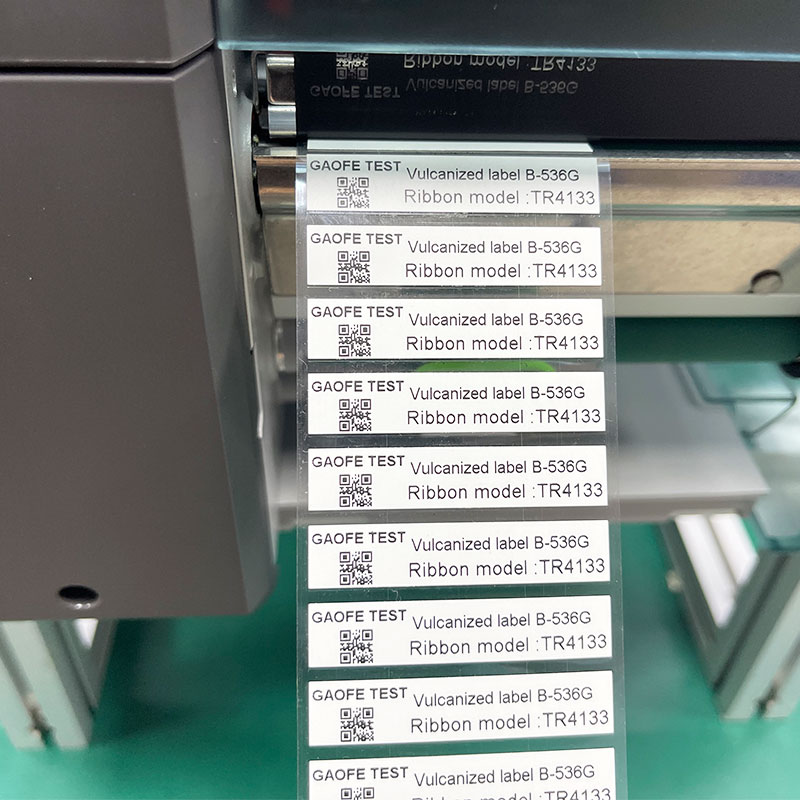
One standout option is the GAOFE TR4133 vulcanized resin ribbon. This ribbon is specifically designed for high-temperature applications, ensuring that prints remain intact and legible even in challenging conditions. Matching the ribbon to the label material is critical for achieving the best results.
By carefully considering both the printer and ribbon options, businesses can ensure their custom vulcanized labels are printed to the highest standards, enhancing both functionality and visual appeal.
Evaluating Quality and Supplier Reliability
Quality Certifications and Testing
When it comes to custom vulcanized labels, quality assurance is paramount. Labels must not only look good but also perform well under various conditions. Ensuring that suppliers adhere to recognized quality standards can help mitigate risks associated with label performance.
Recommended Tests for Quality Assurance:
Test Type | Purpose |
Adhesion Testing | Measures how well the label sticks to surfaces. |
Durability Testing | Assesses the label's lifespan under stress. |
Chemical Resistance Testing | Evaluates how labels withstand exposure to harsh substances. |
GAOFE adheres to industry standards like ASTM D1000 for adhesion, ensuring their labels maintain a strong bond even in challenging environments. This commitment to quality testing guarantees that customers receive reliable products that meet their specific needs.
Supplier Reputation and Support
Choosing a reliable supplier for custom vulcanized labels is crucial for ensuring consistent quality and service. A reputable supplier should have a proven track record in the industry, backed by positive customer reviews and testimonials.
Key Factors to Consider:
● After-Sales Support: Reliable suppliers should offer support after the sale, addressing any issues that may arise.
● Sample Policies: Suppliers should provide samples to evaluate quality before making a larger commitment.
● Customer Satisfaction: Look for suppliers committed to meeting customer needs and expectations.
GAOFE stands out with its comprehensive support and dedication to customer satisfaction. They provide extensive resources, including samples and responsive after-sales service, ensuring clients feel confident in their purchasing decisions. This level of support can make a significant difference in your overall experience with custom vulcanized labels.
Conclusion
In this article, we explored how to choose the right custom vulcanized labels. Key points included evaluating performance features, customization options, and printing solutions.
Selecting the right labels is crucial for product integrity and branding.
We encourage readers to assess their specific needs and consult experts for tailored solutions. Making informed choices will ensure optimal results in your labeling projects.
FAQ
Q: What are the benefits of using custom vulcanized labels?
A: Custom vulcanized labels offer durability, heat resistance, and chemical resistance, ensuring they withstand harsh conditions.
Q: How long do custom vulcanized labels last?
A: The lifespan of custom vulcanized labels varies, but they are designed to endure for many years under proper conditions.
Q: Can I remove vulcanized tire labels?
A: Removing vulcanized tire labels can be challenging, as they are designed to adhere strongly to surfaces.
Q: What should I do if my labels are not adhering properly?
A: Ensure proper surface preparation and consider using GAOFE's recommended materials for better adhesion.
Q: What materials are used for custom vulcanized labels?
A: Custom vulcanized labels are typically made from durable materials like polyimide or polyester to withstand extreme conditions.


