Have you ever wondered what tire labels really are? These essential markings play a crucial role in the automotive industry. Tire labels come in two main types: adhesive labels and molded sidewall markings.
In this article, we will explore the significance of tire labels and how they help consumers make informed decisions. You’ll also learn about GAOFE International Industrial Co., Ltd., a leader in specialty labeling solutions, including high-quality tire labels.
Types of Tire Labels
Tire labels come in two primary types: adhesive tire labels and molded sidewall markings. Each serves a unique purpose and plays a vital role in ensuring consumer safety and compliance with regulations.
Adhesive Tire Labels
Adhesive tire labels are essential for providing critical information to consumers. They are typically found on the tread of tires and are designed to remain intact even in harsh conditions. In regions like the European Union (EU), these labels are particularly important. They help consumers make informed decisions about tire performance by clearly displaying essential data.
EU Tire Label Requirements
The EU has specific regulations regarding tire labels, which include:
● Fuel Efficiency Ratings: Tires are rated on an A–E scale, where A represents the highest efficiency and E the lowest. This rating helps consumers choose tires that can save fuel and reduce emissions.
● Wet Grip Performance: This rating indicates how well a tire can stop on wet surfaces. Like fuel efficiency, it also follows the A–E scale, with A being the best.
● External Rolling Noise Levels: Measured in decibels, this rating informs consumers about the noise generated by tires while driving. Lower levels indicate quieter tires, contributing to a more pleasant driving experience.
GAOFE’s Vulcanized tire labels are designed to meet these EU requirements. Made from durable materials, they ensure long-lasting adhesion and compliance with all necessary regulations. Their ability to withstand extreme conditions makes them an excellent choice for manufacturers aiming to meet EU standards.
Sidewall Markings
Molded sidewall markings are another crucial type of tire label. Unlike adhesive labels, these markings are permanently molded into the tire's sidewall during manufacturing. This process ensures that the information remains visible throughout the tire's life.
Regulatory Significance
In the United States, the National Highway Traffic Safety Administration (NHTSA) mandates specific regulations for these markings. They provide essential safety information and ensure that tires meet specific performance standards.
Overview of UTQG Ratings
The Uniform Tire Quality Grading (UTQG) system includes:
● Treadwear: This rating indicates the expected lifespan of a tire's tread compared to a reference tire.
● Traction: Graded from AA to C, this rating assesses a tire's ability to stop on wet surfaces.
● Temperature: Rated A, B, or C, this indicates how well a tire can dissipate heat, which is crucial for safety at high speeds.
Clear labeling is vital for safety and compliance in tire manufacturing. It helps manufacturers, dealers, and consumers understand the performance characteristics of tires. GAOFE’s commitment to quality ensures that their sidewall markings meet all necessary regulatory standards, providing peace of mind to consumers and enhancing safety on the road.
Rating Type | Description | Scale |
Fuel Efficiency | Measures rolling resistance | A - E |
Wet Grip Performance | Indicates braking distance on wet roads | A - E |
External Noise Levels | Noise generated by tires | Measured in dB |
Treadwear | Expected lifespan compared to reference | Comparative number |
Traction | Ability to stop on wet surfaces | AA - C |
Temperature | Heat dissipation capability | A - C |
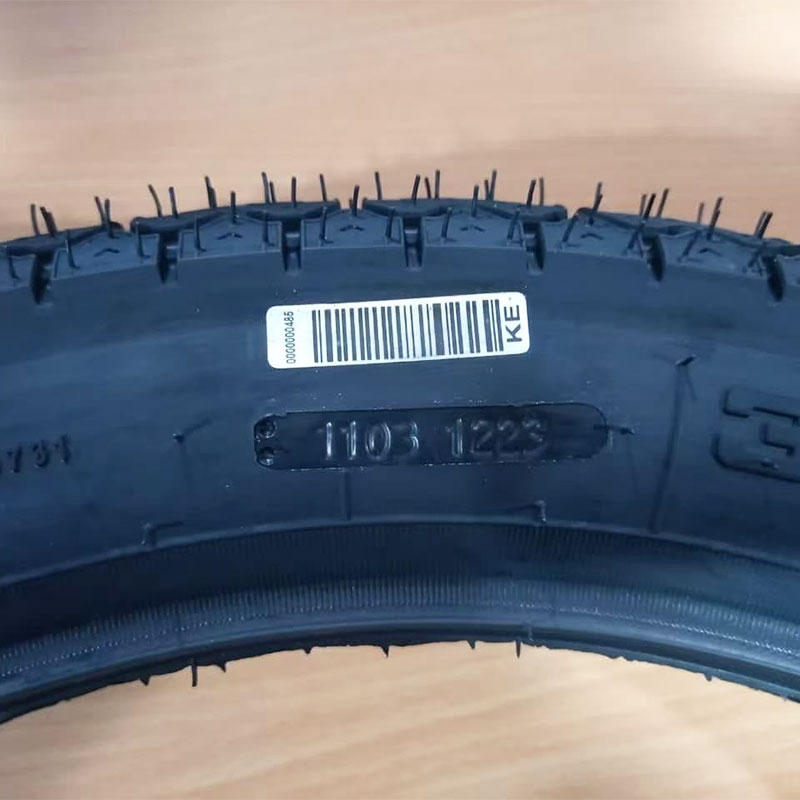
The Role of Tire Labels in Consumer Decision-Making
Tire labels play a crucial role in helping consumers make informed choices when purchasing tires. These labels provide essential information about tire performance, allowing buyers to compare different options easily. With clear labeling, consumers can assess critical factors such as fuel efficiency, wet grip, and noise levels, ensuring they choose the best tire for their needs.
Importance of Standardized Performance Data
Standardized performance data is vital for effective comparisons. When tire labels follow a consistent format, it becomes easier for consumers to evaluate options side by side. For example, the EU tire label system rates tires on an A–E scale for fuel efficiency and wet grip. This uniformity helps buyers understand what to expect from each tire.
Performance Metric | Description | Rating Scale |
Fuel Efficiency | Indicates rolling resistance | A - E |
Wet Grip | Measures stopping distance on wet surfaces | A - E |
Noise Level | External noise generated by the tire | Measured in dB |
GAOFE International Industrial Co., Ltd. is dedicated to providing high-quality labeling solutions. Their commitment to excellence ensures that all tire labels meet rigorous standards, enhancing consumer trust. By using durable materials and adhering to regulatory requirements, GAOFE's labels not only convey essential information but also withstand the conditions tires face.
Enhancing Consumer Trust
When consumers see reliable and clear tire labels, it builds their confidence in the products. They feel assured that they are making educated choices based on accurate data. GAOFE’s focus on quality and compliance means that buyers can trust the information presented on their tire labels. This trust is crucial in a market where safety and performance are paramount.
In summary, tire labels serve as a key resource for consumers, guiding them in their purchasing decisions. With standardized performance data and a commitment to quality from companies like GAOFE, consumers can confidently select the right tires for their vehicles.
Understanding Vulcanized Tire Labels
Vulcanized tire labels are essential components in the tire manufacturing process. These labels are permanently bonded to the tire during the vulcanization process, making them highly durable and resistant to wear. Their significance lies not only in providing vital information but also in ensuring compliance with safety standards.
What are Vulcanized Tire Labels?
Vulcanized tire labels are crafted from specific materials designed to withstand harsh conditions. One key material used is PET polyester film, known for its durability and flexibility. This film provides excellent heat stability and adhesion, ensuring that the labels remain intact throughout the tire's lifespan.
Key Features and Specifications
● Heat Stability: Vulcanized labels can endure high temperatures without degrading, which is crucial for tires that experience heat during operation.
● Adhesion Post-Vulcanization: These labels maintain strong adhesion even after the vulcanization process, ensuring they do not peel or fade over time.
● Chemical Resistance: Vulcanized tire labels resist various chemicals, including oils and solvents, which helps preserve their integrity in different environments.
GAOFE’s flagship Vulcanized Tire Labels, specifically models B-536 and B-536G, set a benchmark in the industry. These labels exemplify high-quality manufacturing, combining durability with compliance to meet industry standards.
Compliance with EU Tire Label Regulations
Vulcanized tire labels play a crucial role in supporting compliance with EU tire label regulations. They provide essential data encoded directly onto the label, which includes information on fuel efficiency, wet grip performance, and noise levels. This data is vital for consumers, allowing them to make informed choices.
Data Encoding Capabilities
The encoding capabilities of these labels ensure that all necessary information is easily accessible. This includes:
● Fuel Efficiency Ratings: Displayed in a standardized format, helping consumers understand the energy consumption of the tire.
● Wet Grip Information: Critical for safety, this data informs users about the tire's performance on wet roads.
● Noise Levels: Measured in decibels, this rating helps consumers gauge the comfort level of their driving experience.
Importance of Permanent Data Integrity
Permanent data integrity is essential for regulatory compliance. Vulcanized tire labels ensure that the information remains intact and legible throughout the tire's lifecycle. GAOFE has implemented systems that enhance traceability and compliance, ensuring that every tire can be tracked from production to sale. This commitment to quality and regulation helps build trust with consumers.
Feature | Description |
Material Composition | PET polyester film |
Heat Stability | Endures high temperatures without degrading |
Adhesion | Strong adhesion post-vulcanization |
Chemical Resistance | Resists oils, solvents, and other substances |
Compliance | Meets EU tire label regulations |
Incorporating these features ensures that GAOFE’s Vulcanized Tire Labels not only provide necessary information but also enhance safety and trust in tire performance.
Benefits of Using Tire Labels
Tire labels offer numerous benefits that enhance the overall efficiency and safety of the automotive industry. From improving traceability to boosting consumer confidence, these labels play a vital role in tire management and performance.
Enhanced Traceability and Inventory Management
One of the primary advantages of tire labels is the enhanced traceability they provide. Each tire can be easily tracked from the manufacturing process to the point of sale. This capability is crucial for inventory management, allowing manufacturers and retailers to monitor stock levels accurately.
Using a system of barcodes or RFID tags, tire labels facilitate quick inventory audits and help reduce errors during stocktaking. This streamlined process not only saves time but also minimizes costs associated with mismanagement.
Traceability Benefit | Description |
Accurate Tracking | Enables monitoring from production to sale |
Inventory Audits | Quick and efficient stock management |
Error Reduction | Minimizes mistakes in inventory records |
Improved Consumer Confidence
Transparent labeling significantly boosts consumer confidence. When buyers see clear, standardized information on tire labels, they feel more assured about their choices. This transparency includes details about performance metrics such as fuel efficiency, wet grip, and noise levels.
By providing this information upfront, tire labels empower consumers to make informed decisions. They can compare different options and select tires that best meet their needs, ultimately leading to greater satisfaction.
Long-Term Reliability of Vulcanized Tire Labels
Vulcanized tire labels are designed for long-term performance. Made from durable materials, they withstand harsh conditions and maintain their legibility over time. This reliability is essential for ensuring that the information remains accessible throughout the tire's lifespan.
The long-lasting nature of these labels means that consumers can trust the data provided, enhancing the overall safety of their vehicles. GAOFE’s Vulcanized tire labels exemplify this reliability, with features that ensure adherence and clarity even under extreme conditions.
GAOFE’s End-to-End Implementation Capability
GAOFE International Industrial Co., Ltd. stands out for its comprehensive approach to tire labeling solutions. They offer end-to-end implementation capabilities, which include both hardware and software support tailored for tire manufacturers.
This means that manufacturers can seamlessly integrate labeling solutions into their production lines. GAOFE provides not only the labels but also the systems needed for tracking and compliance, ensuring that manufacturers can meet industry standards efficiently.
Implementation Feature | Description |
Hardware Support | Provides necessary equipment for labeling |
Software Solutions | Offers systems for tracking and compliance |
Integration Assistance | Helps manufacturers implement solutions smoothly |
By utilizing GAOFE’s solutions, manufacturers can enhance their operational efficiency while ensuring compliance with regulations. This comprehensive support ultimately benefits consumers by delivering high-quality, reliable tire products.
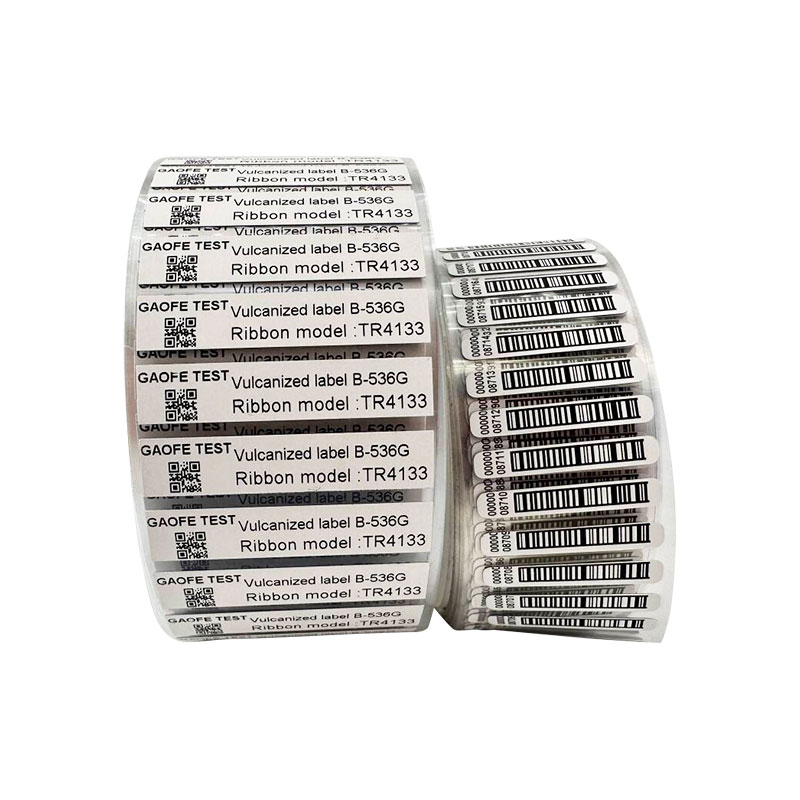
Innovations in Tire Labeling Technology
Recent advancements in tire labeling technology have transformed how manufacturers and retailers manage their products. One of the most significant innovations is the integration of RFID (Radio Frequency Identification) technology into tire labels. This development not only enhances tracking capabilities but also improves overall efficiency in inventory management.
RFID Tire Tread Labels
RFID technology has revolutionized the way tire labels function. By embedding a small chip in the tire tread label, manufacturers can track each tire throughout its lifecycle. This technology allows for real-time data collection and monitoring, making it easier to manage inventory and ensure compliance with regulations.
Advantages of RFID Tire Tread Labels
The benefits of using RFID tire tread labels are numerous:
● Enhanced Tracking: RFID labels provide precise tracking of each tire from production to sale. This capability reduces the chances of errors in inventory management and ensures that each tire can be accounted for at any time.
● Improved Inventory Management: Retailers can quickly scan multiple tires at once, streamlining the inventory process. This efficiency minimizes the time spent on stocktaking and helps maintain optimal inventory levels.
● Operational Efficiency: By integrating RFID technology, retailers can automate many processes, such as stock replenishment and order fulfillment. This automation not only saves time but also reduces labor costs associated with manual tracking.
Benefit | Description |
Enhanced Tracking | Real-time visibility of tire locations |
Improved Inventory | Quick scanning for efficient stock management |
Operational Efficiency | Automation reduces manual tasks |
GAOFE’s Advancements in RFID Technology
GAOFE International Industrial Co., Ltd. has been at the forefront of integrating RFID technology into tire labeling solutions. Their commitment to innovation means they are continuously developing advanced RFID systems tailored for the tire industry.
By leveraging cutting-edge technology, GAOFE enhances the functionality of tire labels, making it easier for manufacturers and retailers to manage their products effectively. This focus on innovation ensures that their clients can stay ahead of the competition while providing reliable and efficient service to consumers.
Incorporating RFID technology into tire labels represents a significant step forward in the automotive industry. With GAOFE leading the charge, the future of tire labeling looks promising, offering improved tracking, inventory management, and operational efficiency.
Conclusion
Tire labels are crucial in the automotive sector. They provide essential information for safety and performance. Vulcanized tire labels ensure compliance with regulations and enhance consumer trust.
Manufacturers should consider GAOFE’s innovative labeling solutions. These solutions can improve tracking, inventory management, and overall efficiency. Investing in quality tire labels is a step toward better products and satisfied customers.
FAQ
Q: What are the key components of tire labels?
A: Key components include performance ratings, fuel efficiency, wet grip, noise levels, and compliance information.
Q: How do tire labels impact tire purchasing decisions?
A: Tire labels provide transparent information, helping consumers make informed choices based on performance metrics.
Q: Why are Vulcanized tire labels essential for tire manufacturers?
A: They ensure durability, compliance, and reliable data integrity throughout the tire's lifecycle.
Q: How do I read an EU tire label?
A: EU tire labels feature a standardized format with ratings from A to E for efficiency, grip, and noise.
Q: What advantages do GAOFE’s tire labels offer over conventional labels?
A: GAOFE’s labels provide enhanced durability, RFID tracking, and compliance support, improving overall efficiency and reliability.


