Have you ever wondered how rubber products maintain their identity throughout the manufacturing process? Vulcanized labels play a crucial role in ensuring effective tracking and identification. These specialized labels are integrated during the vulcanization process, making them a permanent part of the product.
In this article, we will explore the significance of vulcanized labels in the rubber industry. You'll learn how GAOFE International Industrial Co., Ltd. leads the way in providing innovative labeling solutions, enhancing efficiency and compliance in manufacturing.
Key Features of Vulcanized Labels
Permanent Integration and Durability
Vulcanized labels are designed to bond seamlessly with rubber during the curing process. This integration occurs when the labels are applied before vulcanization, allowing them to chemically fuse with the rubber. As a result, these labels become a permanent part of the product, ensuring they won't peel off or degrade over time.
This durability is crucial, especially in environments where rubber products are subjected to high temperatures and pressures. For instance, GAOFE's vulcanized labels can withstand curing conditions up to 260°C, maintaining their integrity throughout the product's lifecycle.
Feature | Description |
Bonding Process | Labels chemically bond during vulcanization. |
Temperature Resistance | Can withstand up to 260°C without losing adhesion. |
Longevity | Remain intact throughout the product's lifespan. |
Extreme Environmental Resistance
Vulcanized labels are engineered to endure harsh environmental conditions. They exhibit exceptional resistance to moisture, abrasion, oils, and various chemicals. This is particularly important for rubber products used in industries like automotive and manufacturing, where exposure to such elements is common.
Maintaining readability is another critical aspect. Even after prolonged exposure to harsh chemicals or extreme temperatures, vulcanized labels retain their clarity. This ensures that barcodes and QR codes remain scannable, which is vital for tracking and compliance in production lines.
For example, GAOFE's vulcanized labels can withstand repeated contact with solvents like alcohol and acetone without blurring printed content. This resilience not only enhances the product's traceability but also supports adherence to industry standards.
Environmental Factor | Resistance Level |
Moisture | Excellent; prevents label degradation. |
Oils and Chemicals | Highly resistant; maintains clarity and adhesion. |
Abrasion | Durable; withstands wear and tear in industrial settings. |
In summary, the key features of vulcanized labels—permanent integration, durability, and extreme environmental resistance—make them an essential component in the rubber industry. Companies like GAOFE International Industrial Co., Ltd. exemplify the advancements in labeling technologies that enhance product reliability and compliance.
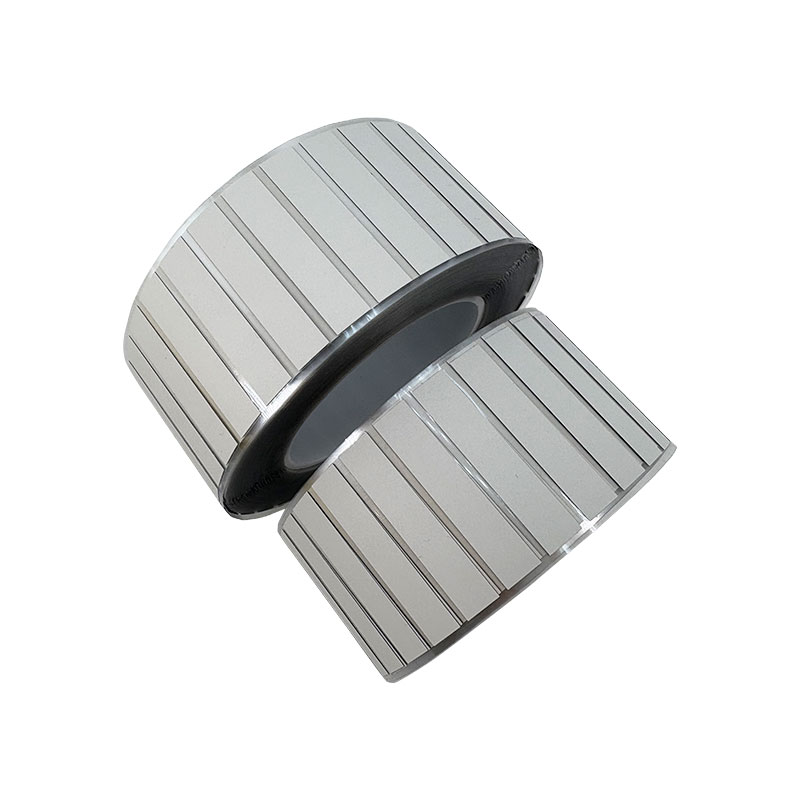
Benefits of Vulcanized Labels in Rubber Products
Enhanced Traceability and Quality Control
Vulcanized labels significantly improve the tracking of manufacturing records. By integrating these labels during the production process, companies can maintain accurate records of each product's journey from creation to delivery. This is particularly important in industries where compliance with regulations is crucial, such as tire manufacturing, which requires adherence to DOT code standards.
These labels not only provide essential information but also ensure that products are traceable throughout their lifecycle. The ability to scan barcodes or QR codes on vulcanized labels allows for efficient tracking, making it easier to monitor production quality and address any issues that arise.
Feature | Benefit |
Improved Tracking | Enhances accuracy in manufacturing records. |
Regulatory Compliance | Meets industry standards, including DOT requirements. |
Quality Assurance | Facilitates quick identification of defects. |
Operational Efficiency
The integration of smart technology, such as RFID and NFC, takes vulcanized labels to the next level. These technologies enable real-time tracking of products throughout the manufacturing process. As items move along the production line, automated scanning systems can instantly update inventory and production records, reducing the chances of human error.
This automation not only speeds up the workflow but also enhances overall operational efficiency. With vulcanized labels, manufacturers can streamline their processes, ensuring that products are labeled correctly and efficiently.
● Real-Time Tracking: Keeps inventory updated automatically.
● Reduced Human Error: Minimizes mistakes in labeling and tracking.
● Faster Production: Speeds up the overall manufacturing process.
Cost-Effectiveness
Investing in vulcanized labels offers long-term savings for manufacturers. By reducing the need for frequent label replacements, companies can cut costs associated with re-labeling products. Traditional labels often peel or fade, leading to additional expenses. In contrast, vulcanized labels remain intact and readable throughout the product's lifecycle.
Moreover, using vulcanized labels helps avoid penalties related to non-compliance. When products are easily traceable and meet industry standards, companies can prevent costly fines and maintain their reputation.
Cost Factor | Impact |
Label Replacement | Reduces long-term costs significantly. |
Compliance Penalties | Helps avoid fines by ensuring traceability. |
Operational Costs | Lowers costs by streamlining the labeling process. |
Customization Options
One of the standout features of vulcanized labels is their customization potential. Manufacturers can choose from various colors and sizes to meet specific product requirements. GAOFE International Industrial Co., Ltd. offers a range of options, including White, Pink, Blue, Green, and Yellow, allowing businesses to enhance their brand identity.
Custom labels not only improve functionality but also contribute to marketing efforts. By using unique colors and designs, companies can differentiate their products in a competitive market. This customization fosters brand recognition and customer loyalty.
● Diverse Options: Choose colors and sizes that fit product needs.
● Brand Identity: Enhance visibility and recognition in the market.
● Functional Design: Tailor labels for specific applications.
Vulcanized labels provide numerous benefits that enhance traceability, operational efficiency, cost-effectiveness, and customization options. Their integration into rubber products represents a significant advancement in labeling technology, making them essential for modern manufacturing.
Applications of Vulcanized Labels
Tire Manufacturing
Vulcanized labels play a crucial role in tire manufacturing, particularly for tracking specifications and safety ratings. These labels are integrated during the vulcanization process, ensuring they remain intact and legible throughout the tire's lifecycle. They provide essential information such as tire size, load ratings, and DOT codes, which are vital for compliance and safety.
GAOFE's Vulcanized Tire Labels are specifically designed to withstand the harsh conditions of tire production. Their robust construction ensures they endure high temperatures and pressures, maintaining clarity and adhesion. This reliability is essential for manufacturers, as it helps in managing quality control and meeting regulatory requirements.
Feature | Benefit |
Durability | Remains intact during the tire's lifespan. |
Clarity | Essential information stays readable under stress. |
Compliance | Meets safety standards for tire manufacturing. |
Industrial Hoses and Other Rubber Products
In addition to tires, vulcanized labels are invaluable for labeling industrial hoses and various rubber products. These labels help identify different hose types, specifications, and usage guidelines, ensuring that users select the right product for their needs.
GAOFE offers tailored solutions for a range of rubber components, including seals and gaskets. The use of vulcanized labels on these products enhances traceability and quality assurance, allowing manufacturers to track each component from production to installation. This is especially important in industries like automotive and aerospace, where precision and reliability are critical.
Applications of Vulcanized Labels in Other Rubber Products
● Industrial Hoses:
○ Identifies specifications and usage guidelines.
● Seals and Gaskets:
○ Enhances traceability and quality control.
● Other Rubber Products:
○ Provides essential information for safe use.
Vulcanized labels contribute significantly to the efficiency and safety of rubber products in various applications. By integrating these labels into their manufacturing processes, companies like GAOFE ensure that products meet industry standards while maintaining high levels of performance and reliability.
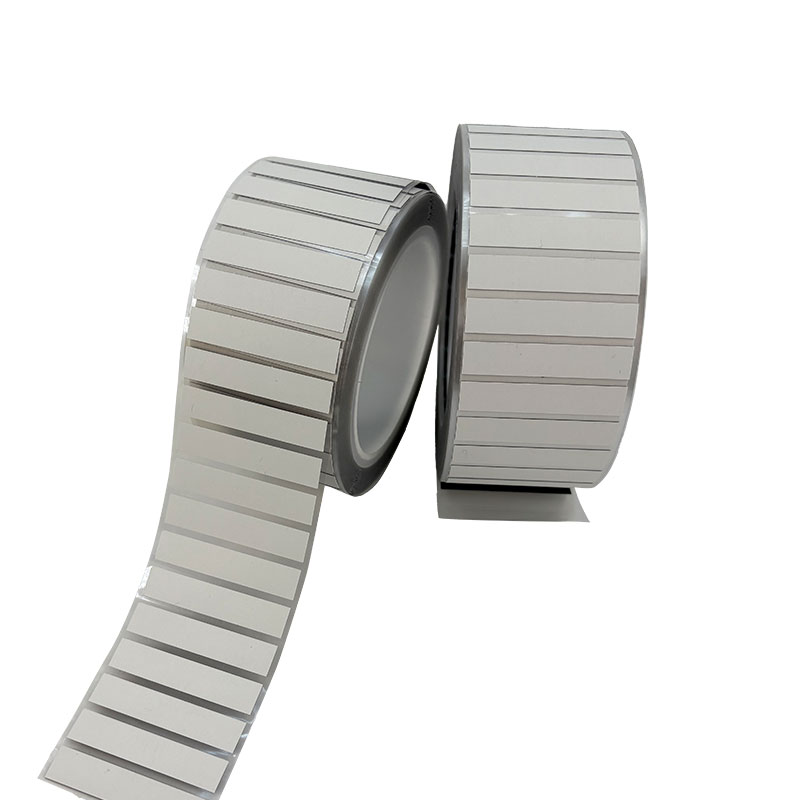
Comparison with Standard Labels
What Sets Vulcanized Labels Apart from Traditional Labels?
Vulcanized labels offer distinct advantages over standard labels, primarily in durability, integration, and performance under stress. Unlike traditional labels, which may peel off or fade over time, vulcanized labels are chemically bonded to the rubber during the curing process. This integration ensures they remain intact even in extreme conditions, such as high temperatures and harsh chemicals.
In terms of performance, vulcanized labels excel in environments where standard labels might fail. They resist abrasion, moisture, and exposure to oils, making them ideal for applications in industries like automotive and manufacturing. For example, while a standard label might last a few months, a vulcanized label can endure for years without losing clarity or adhesion.
Feature | Vulcanized Labels | Standard Labels |
Durability | High; chemically bonded | Low; prone to peeling |
Integration | Permanent part of the product | Temporary; can be removed |
Performance Under Stress | Excellent; withstands harsh conditions | Poor; may degrade quickly |
When to Choose Vulcanized Labels Over Standard Labels?
Choosing vulcanized labels is essential in scenarios where durability and reliability are paramount. For instance, in tire manufacturing, where labels must endure the rigors of the vulcanization process, vulcanized labels are the clear choice. They provide critical information, such as safety ratings, that must remain intact for the product's entire lifespan.
Similarly, in industrial applications involving hoses and seals, vulcanized labels ensure that specifications remain readable, even in extreme environments. If a product is likely to be exposed to moisture, chemicals, or physical wear, opting for vulcanized labels is wise.
Scenarios for Choosing Vulcanized Labels
● Tire Manufacturing: Requires long-lasting labels for safety compliance.
● Heavy Machinery: Labels must withstand oil and abrasion.
● Automotive Parts: Need for clear identification under harsh conditions.
By understanding the differences between vulcanized and standard labels, manufacturers can make informed decisions that enhance product performance and reliability. Companies like GAOFE provide robust vulcanized labeling solutions tailored to meet these demanding requirements, ensuring that products not only perform well but also comply with industry standards.
Conclusion
Vulcanized labels offer numerous benefits in rubber products. They enhance durability, traceability, and compliance with industry standards. Key points include their superior integration during manufacturing and resistance to harsh conditions.
Looking ahead, the future of vulcanized labels is promising. Innovations in smart labeling technology will likely improve tracking and efficiency. These advancements will further solidify the role of vulcanized labels in the rubber industry.
FAQ
Q: What are the main advantages of using vulcanized labels?
A: Vulcanized labels offer enhanced durability, permanent integration, and excellent resistance to harsh conditions.
Q: How long do vulcanized labels last?
A: They can last for years, maintaining clarity and adhesion even under extreme conditions.
Q: Can vulcanized labels be customized?
A: Yes, they can be customized in various colors and sizes to meet specific product needs.
Q: Are vulcanized labels suitable for all rubber products?
A: They are ideal for many rubber products, especially those exposed to harsh environments.
Q: What printing solutions work best with vulcanized labels?
A: GAOFE recommends the TR4133 Vulcanized Resin Ribbon and compatible printers for optimal results.


