Choosing the right label can make or break your product's durability. Polyimide labels and polyester labels serve different needs. Which one performs better under tough conditions?
Polyimide labels offer high heat resistance and durability. Polyester labels are cost-effective and versatile but less heat tolerant.
In this post, you’ll learn about their properties, applications, and which label suits your needs best.
Material Properties of Polyimide and Polyester Labels
Chemical Composition and Structure
Polyimide labels are made from a high-performance polymer known for its aromatic imide linkages. This structure gives polyimide excellent heat resistance and chemical stability. The film is thin but strong, usually around 1-2 mils thick, and often includes a printable topcoat to accept various printing methods.Polyester labels consist of polyethylene terephthalate (PET), a widely used thermoplastic polymer. Polyester's molecular structure provides good strength, chemical resistance, and moisture barrier properties. The film thickness varies but typically ranges from 1 to 3 mils. Polyester labels often feature a smooth surface for high-quality printing.
Thermal Stability and Temperature Resistance
Polyimide labels excel in thermal stability. They withstand continuous temperatures up to 250°C (482°F) and short bursts up to 400°C (752°F). This makes them ideal for processes like wave soldering and reflow soldering in electronics manufacturing.Polyester labels handle temperatures up to about 150°C (302°F) continuously. They may tolerate brief spikes near 200°C but risk deformation or adhesive failure if exposed longer. Therefore, polyester suits general industrial use but not extreme heat environments.
Durability and Mechanical Strength
Both materials offer strong durability. Polyimide labels resist tearing and abrasion while maintaining flexibility. Their thin profile adds minimal bulk, critical for compact electronics.Polyester labels provide excellent tear resistance and toughness. They resist scratches and mechanical wear in industrial settings. Polyester's higher thickness options can boost durability for outdoor or rough handling applications.
Moisture and Chemical Resistance
Polyimide labels resist many chemicals, including acids, bases, solvents, and cleaning agents. They also repel moisture effectively, preventing label degradation during harsh manufacturing processes.Polyester labels also resist moisture and many chemicals well, including oils and cleaning fluids. However, they may not withstand aggressive solvents or prolonged chemical exposure as well as polyimide.
Dimensional Stability Under Stress
Polyimide maintains dimensional stability under heat and mechanical stress. It does not shrink, curl, or warp during soldering or thermal cycling, ensuring barcodes and text remain legible.Polyester exhibits good dimensional stability in normal conditions but can shrink or distort under high heat or prolonged exposure to moisture. This can affect barcode readability and label adhesion in demanding environments.
Tip: When selecting label materials, prioritize dimensional stability and chemical resistance if labels must endure heat and harsh chemicals, as these factors directly impact label performance and traceability.
Temperature Resistance Comparison Between Polyimide Label and Polyester Label
Maximum Temperature Tolerance of Polyimide Labels
Polyimide labels are champions in heat resistance. They handle continuous temperatures up to about 250°C (482°F) and can endure short bursts nearing 400°C (752°F). This capability makes them perfect for electronics manufacturing processes like wave soldering and reflow soldering, where extreme heat exposure is common. Their chemical structure keeps them stable, preventing shrinkage or warping, which is vital for maintaining barcode readability and label adhesion.
Temperature Limits of Polyester Labels
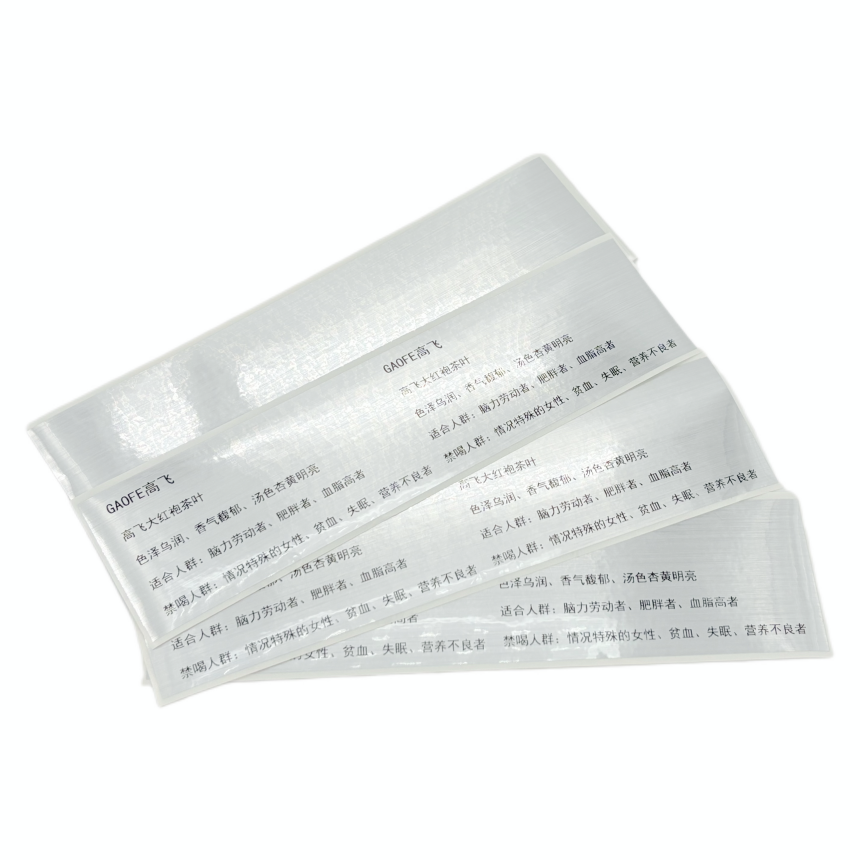
Polyester labels, while durable, have lower heat tolerance. They typically withstand continuous exposure up to 150°C (302°F). Brief spikes up to around 200°C (392°F) might be tolerated, but prolonged or repeated exposure risks label distortion, adhesive failure, or loss of print quality. Polyester labels are better suited for general industrial environments where extreme heat is not a factor.
Performance in Electronics Manufacturing Processes
In electronics manufacturing, temperature resistance directly affects label performance and traceability. Processes like reflow soldering expose circuit boards to temperatures above 200°C for several minutes. Polyester labels may deform or lose adhesion during these steps, causing labels to peel or barcodes to blur, leading to scanning errors.Polyimide labels withstand these conditions without losing integrity. They maintain adhesion and dimensional stability, ensuring traceability throughout manufacturing. This reliability is why polyimide is the go-to for PCB identification and other high-heat applications.
Impact of Temperature on Adhesion and Label Integrity
Heat impacts not just the label material but also the adhesive. Polyimide labels often use silicone-based adhesives designed to endure high temperatures without softening or degrading. This ensures labels stay firmly attached during thermal cycling.Polyester labels generally use acrylic adhesives, which perform well at moderate temperatures but can soften or fail under intense heat. This leads to label lifting or curling, risking loss of critical information.Additionally, high heat can affect printed images on labels. Polyimide’s thermal stability helps preserve print clarity, especially for barcodes and QR codes, which must remain scannable after soldering and cleaning.
Tip: Choose polyimide labels for applications involving temperatures above 150°C or processes like soldering to ensure label adhesion and barcode readability remain intact throughout manufacturing.
Adhesive and Printability Considerations for Polyimide and Polyester Labels
Types of Adhesives Used with Polyimide Labels
Polyimide labels typically use silicone-based adhesives. Silicone adhesives stick well even at high temperatures, making them ideal for harsh manufacturing processes like soldering. They remain stable and flexible, preventing label lifting or curling during thermal cycling. Some polyimide labels also use high-performance acrylic adhesives, but silicone remains the top choice for extreme heat resistance.Polyester labels generally use acrylic adhesives. Acrylic adhesives offer strong initial tack and good chemical resistance at moderate temperatures. They work well for many industrial uses but may soften or lose adhesion when exposed to heat above 150°C. This difference means adhesive choice directly impacts label performance in demanding environments.
Adhesive Performance at High Temperatures
Adhesive strength is critical when labels face heat. Silicone adhesives on polyimide labels maintain bond strength up to 260°C or higher. They resist softening and chemical attack, ensuring labels stay put during wave or reflow soldering.Acrylic adhesives on polyester labels perform well up to about 150°C but degrade at higher temperatures. This can cause labels to peel or wrinkle during thermal processing, risking loss of traceability or barcode readability. For applications with brief heat spikes, some acrylic adhesives may suffice, but prolonged exposure often requires silicone adhesives.
Print Quality and Compatibility with Printing Technologies
Both polyimide and polyester labels accept various printing methods, including thermal transfer, laser, and inkjet. Polyimide labels usually feature a special printable topcoat that accepts thermal transfer resin ribbons, producing sharp, durable images resistant to smudging and solvents.Polyester labels offer excellent print quality too. Their smooth surface supports thermal transfer and direct thermal printing, yielding high-resolution text and graphics. Polyester’s printability and cost-effectiveness make it popular for asset tags and industrial labels.
Barcode and QR Code Durability and Readability
Maintaining barcode and QR code clarity is vital for traceability. Polyimide labels’ dimensional stability and heat-resistant adhesives keep barcodes sharp after soldering and cleaning. The thermal transfer printing method used on polyimide labels resists abrasion and chemical exposure, ensuring scan reliability.Polyester labels provide good barcode print quality under normal conditions. However, exposure to heat or chemicals can cause shrinkage or adhesive failure, distorting codes and causing scanning errors. Polyester suits applications with less extreme environments where barcode durability is still important.
Tip: For high-temperature manufacturing, choose polyimide labels with silicone adhesives and thermal transfer printing to ensure barcode readability and label adhesion remain intact.
Typical Applications and Industries for Polyimide Label and Polyester Label
Use of Polyimide Labels in Electronics and Aerospace
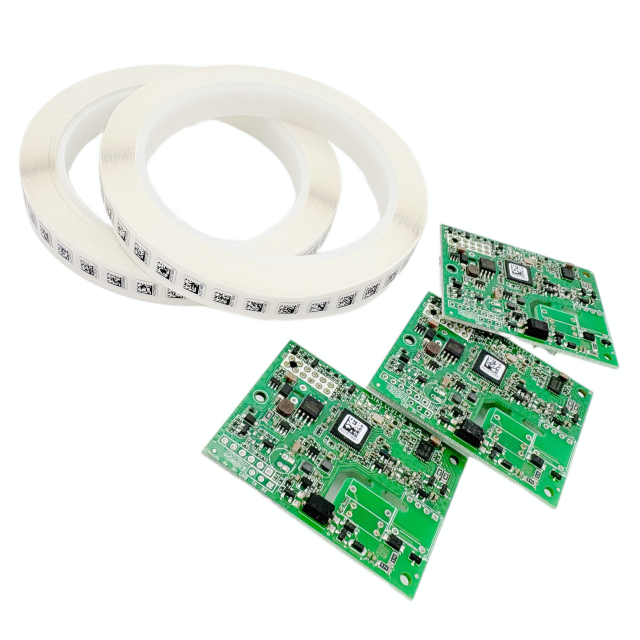
Polyimide labels shine in electronics manufacturing. They handle extreme heat during PCB assembly, such as wave soldering and reflow soldering, without losing adhesion or legibility. This makes them ideal for tracking components, assemblies, and final products. Their thin profile fits perfectly on small circuit boards where space is tight.In aerospace, polyimide labels endure harsh conditions like wide temperature swings and exposure to fuels and hydraulic fluids. They maintain durability and readability on parts, helping with safety inspections and regulatory compliance. Their resistance to chemicals and thermal cycling makes them trusted in this high-stakes industry.
Common Uses of Polyester Labels in Industrial Settings
Polyester labels are versatile workhorses in many industrial environments.They perform well for asset tags, equipment labels, and rating plates, offering strong tear resistance and chemical durability. These labels hold up outdoors, resisting moisture and abrasion, making them popular for durable product identification.Because polyester labels withstand moderate heat, they suit many manufacturing processes that don't involve extreme temperatures. They’re cost-effective for large runs where high-temperature resistance isn’t critical. Industries like manufacturing, logistics, and warehousing rely on polyester labels for reliable, long-lasting identification.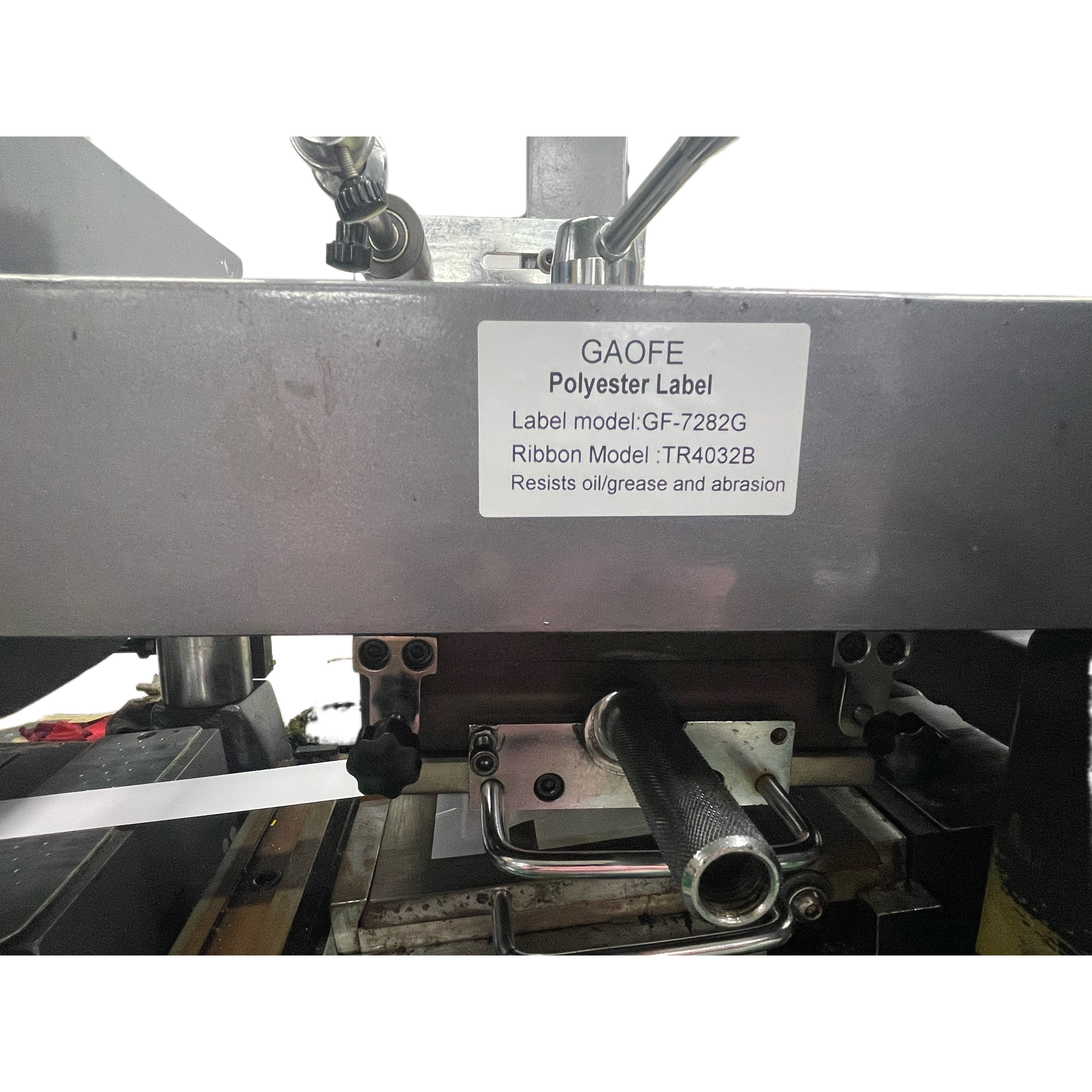
Suitability for PCB Identification and Traceability
For printed circuit board (PCB) identification, polyimide labels are the preferred choice. Their ability to withstand soldering temperatures and harsh cleaning chemicals ensures barcodes and text remain clear and scannable throughout production. This reliability supports traceability and quality control in electronics.Polyester labels can be used for PCB identification only if the process temperatures stay below their heat tolerance. Otherwise, they risk distortion or adhesive failure, which can cause tracking errors or production delays. For less demanding traceability needs, polyester labels may suffice, but polyimide offers peace of mind.
Outdoor and Harsh Environment Applications
Polyester labels excel outdoors and in tough environments due to strong chemical and moisture resistance. They resist UV rays, abrasion, and weathering, lasting several years on equipment exposed to sun and rain. This durability makes polyester ideal for industrial machinery, outdoor asset tagging, and shipping labels.Polyimide labels, while excellent for heat and chemical resistance, are less common outdoors due to higher cost and focus on high-temperature applications. However, they perform well in harsh chemical environments where heat is also a factor, such as automotive engine compartments or aerospace components.
Tip: Match label material to application environment—choose polyimide for high-heat electronics and aerospace needs, polyester for durable outdoor and general industrial labeling.
Cost Analysis and Economic Considerations
Cost Differences Between Polyimide and Polyester Labels
Polyimide labels usually cost more than polyester labels. The higher price comes from the complex manufacturing process and expensive raw materials used in polyimide film production. Also, polyimide is often made in smaller batches, which raises costs further. In contrast, polyester labels are widely produced and use less costly materials, making them more budget-friendly, especially for large volume orders.
Factors Influencing Label Cost
Several factors affect label cost beyond the base material:
Adhesive type: Silicone adhesives for polyimide add to the price, while acrylic adhesives for polyester cost less.
Print coating: Special topcoats for polyimide to accept thermal transfer printing increase expense.
Label size and shape: Custom die-cut shapes or small labels require more processing.
Order quantity: Larger runs reduce per-label cost, especially for polyester.
Performance requirements: High-temperature or chemical resistance demands higher-quality materials and adhesives.
When to Choose Cost-Effective Polyester Over Polyimide
If your application involves moderate temperatures (below 150°C) and less aggressive chemicals, polyester labels offer a reliable, low-cost solution. They provide excellent durability and print quality for asset tracking, equipment labeling, and many industrial uses without the premium price tag. Polyester is also a good choice when label volume is high and budget constraints are tight.However, avoid polyester if your process involves soldering, extreme heat, or harsh chemical exposure, as labels may fail, causing costly production issues.
Balancing Performance Needs with Budget Constraints
Choosing between polyimide and polyester labels means balancing performance and cost. Consider:
Criticality of label function: Traceability on PCBs or aerospace parts may justify polyimide’s higher cost.
Environmental conditions: Harsh heat or chemicals require polyimide for reliability.
Production volume: High volumes may favor polyester for cost savings.
Risk tolerance: Weigh potential costs of label failure against upfront savings.
Consulting with label experts helps optimize this balance, ensuring you get the right label material without overspending.
Tip: For applications with moderate heat and chemical exposure, choose polyester labels to reduce costs while maintaining durability and print quality.
Alternatives to Polyimide Labels and Their Comparative Performance
When polyimide labels seem too costly or their extreme heat resistance isn’t necessary, several alternatives offer good performance at lower prices. Let’s explore some common options and how they stack up.
Aluminum Labels as High-Temperature Alternatives
Aluminum labels are metal-based, providing outstanding durability and heat resistance. They can endure temperatures up to around 427°C (800°F), making them suitable for the harshest industrial environments.Advantages:
Exceptional resistance to heat, chemicals, abrasion, and moisture
Long-lasting outdoors and in industrial settings
Premium metallic appearance, adding a quality look
Limitations:
Less flexible than plastic films, which may be an issue on curved or small surfaces
Higher cost than polyester but usually less than polyimide
Printing options can be more limited, often requiring specialized processes like engraving or laser marking
Polyamide (Nylon) and Polycarbonate Label Options
Polyamide (Nylon) Labels:
Good durability and chemical resistance
Temperature tolerance up to about 121°C (250°F)
More affordable than polyimide but less heat resistant
Suitable for applications with moderate heat and chemical exposure
Polycarbonate Labels:
Excellent impact resistance and toughness
Temperature resistance up to around 138°C (280°F)
Chemical resistance suitable for many industrial uses
Cost lies between polyester and polyimide
Advantages and Limitations of Each Alternative
| Material | Max Temperature | Durability | Cost | Flexibility | Typical Use Cases |
| Aluminum | ~427°C (800°F) | Excellent chemical/abrasion | Moderate to high | Low | Harsh industrial, outdoor, premium ID |
| Polyamide | ~121°C (250°F) | Good chemical resistance | Moderate | Moderate | Moderate heat industrial, outdoor |
| Polycarbonate | ~138°C (280°F) | High impact resistance | Moderate to high | Moderate | Industrial, impact-prone environments |
Choosing the Right Label Material for Specific Use Cases
Deciding which label material suits your needs depends on several factors:
Temperature exposure: For extreme heat above 250°C, polyimide or aluminum are best.
Surface shape: Flexible films like polyimide, polyester, nylon, or polycarbonate fit curved surfaces better than aluminum.
Chemical exposure: Polyimide and aluminum excel in aggressive chemical environments.
Durability needs: Aluminum is unbeatable for abrasion and outdoor longevity.
Budget constraints: Polyester and nylon offer cost savings where extreme heat resistance is unnecessary.
Printing requirements: Polyester and polyimide support thermal transfer printing well; aluminum often requires specialized marking.
In many cases, polyester labels cover moderate temperature and chemical needs economically. For more demanding environments, aluminum or polyimide may be necessary. Nylon and polycarbonate fill the middle ground, balancing cost and performance.
Tip: Evaluate your application’s temperature, chemical exposure, and surface type carefully to select the most cost-effective label material that meets all performance requirements.
How to Choose the Right Label Material: Polyimide Label or Polyester Label?
Assessing Environmental and Process Conditions
Start by examining the environment where the label will be applied and the manufacturing process it will endure. If the label faces extreme heat, such as soldering processes above 200°C, polyimide is the safer bet. It withstands high temperatures without warping or losing adhesion. Polyester works well when temperatures remain below 150°C and the chemical exposure is moderate. Also, consider moisture, solvents, and mechanical stresses. Polyimide resists harsh chemicals and moisture better, which matters in aerospace or electronics manufacturing. For outdoor use or less severe environments, polyester often suffices.
Evaluating Label Lifespan and Durability Requirements
How long must the label last? Polyimide labels offer superior durability, maintaining integrity through thermal cycling and chemical exposure for extended periods. This makes them ideal for products with long lifespans or those exposed to demanding conditions. Polyester labels provide good durability for general industrial use, especially where abrasion resistance and weathering are concerns. If labels must survive outdoors for years, polyester's UV and moisture resistance is advantageous. Balancing lifespan needs with budget is key.
Considering Barcode and Traceability Needs
Traceability often relies on barcodes or QR codes printed on labels. These codes must remain readable throughout manufacturing and product life. Polyimide labels maintain dimensional stability during heat and chemical exposure, keeping barcodes sharp and scannable. Their thermal transfer print coatings resist smudging and abrasion. Polyester labels print well under normal conditions but may shrink or distort under heat, risking scan errors. For critical traceability, especially in electronics, polyimide is preferred. For less critical tracking, polyester can be cost-effective.
Consulting Label Experts for Custom Solutions
Choosing the right label material isn't just about the base film. Adhesives, print methods, label size, and shape also matter. Experts can analyze your unique application, recommend materials, adhesives, and printing technologies tailored to your needs. They help balance cost and performance, avoiding costly label failures. Custom-engineered labels may be necessary for extreme environments or complex surfaces. Partnering with experienced label suppliers ensures you get a solution that performs reliably throughout your product’s lifecycle.
Tip: When selecting label materials, involve labeling experts early to tailor solutions that meet your environmental, durability, and traceability needs while optimizing cost-effectiveness.
Conclusion
Polyimide labels offer superior heat resistance and chemical durability compared to polyester labels. Polyester labels are cost-effective and work well in moderate environments. Choose polyimide for high-temperature and harsh chemical applications like electronics and aerospace. Polyester suits general industrial and outdoor uses with less extreme conditions. Advances in label materials improve performance and cost balance. GAOFE International Industrial Co.,Ltd.provides high-quality polyimide labels designed for reliable traceability and durability in demanding industries. Their products ensure long-lasting value and optimal performance.
FAQ
Q: What is a Polyimide Label and where is it commonly used?
A: A Polyimide Label is a high-performance label made from a heat-resistant polymer, ideal for electronics and aerospace due to its ability to withstand extreme temperatures and harsh chemicals.
Q: How does a Polyimide Label compare to a Polyester Label in heat resistance?
A: Polyimide Labels tolerate continuous heat up to 250°C and brief spikes near 400°C, outperforming Polyester Labels, which handle up to 150°C continuously.
Q: Why choose a Polyimide Label over a Polyester Label for PCB identification?
A: Polyimide Labels maintain adhesion and barcode readability during soldering and cleaning, ensuring reliable traceability in electronics manufacturing.
Q: Are Polyimide Labels more expensive than Polyester Labels?
A: Yes, Polyimide Labels cost more due to their advanced materials and heat-resistant adhesives but offer superior performance in extreme conditions.
Q: What adhesive types are used with Polyimide Labels?
A: Polyimide Labels typically use silicone-based adhesives that maintain bond strength at high temperatures, unlike acrylic adhesives used on Polyester Labels.
Q: How can I troubleshoot label failures in high-heat environments?
A: If a Polyimide Label fails, check adhesive compatibility and printing methods; ensure silicone adhesives and thermal transfer printing are used for best durability.


