Ever wonder how safety labels prevent accidents every day? These labels are crucial for alerting and guiding people. Safety labels and warning labels both protect us, but they serve different roles. In this post, you’ll learn what sets safety labels apart from warning labels and why both matter in workplaces and public spaces.
Types of Safety Labels and Their Applications
Safety and warning labels come in many forms, each designed to address specific hazards and environments. Using the right type of label ensures clear communication about risks and safety procedures. Let’s explore the main types and where they are commonly applied.
Industrial Safety Labels: Machines, Chemicals, and Electrical Hazards
Industrial safety labels are vital in factories, warehouses, and construction sites. They warn workers about dangers from machinery, chemicals, and electrical equipment.
Machine Safety Labels: Alert workers to moving parts, pinch points, or operational hazards. They often include instructions for safe use and required protective gear.
Chemical Hazard Labels: Identify hazardous substances, their risks, and safe handling instructions. These labels help prevent chemical spills, burns, or inhalation injuries.
Electrical Safety Labels: Mark areas with high voltage or electrical shock risks. They remind workers to follow lockout/tagout procedures and use insulated tools.
High-Temperature Labels: Warn about hot surfaces or equipment, helping prevent burns.
Heavy Lifting Labels: Provide guidance on safe lifting limits and techniques to avoid musculoskeletal injuries.
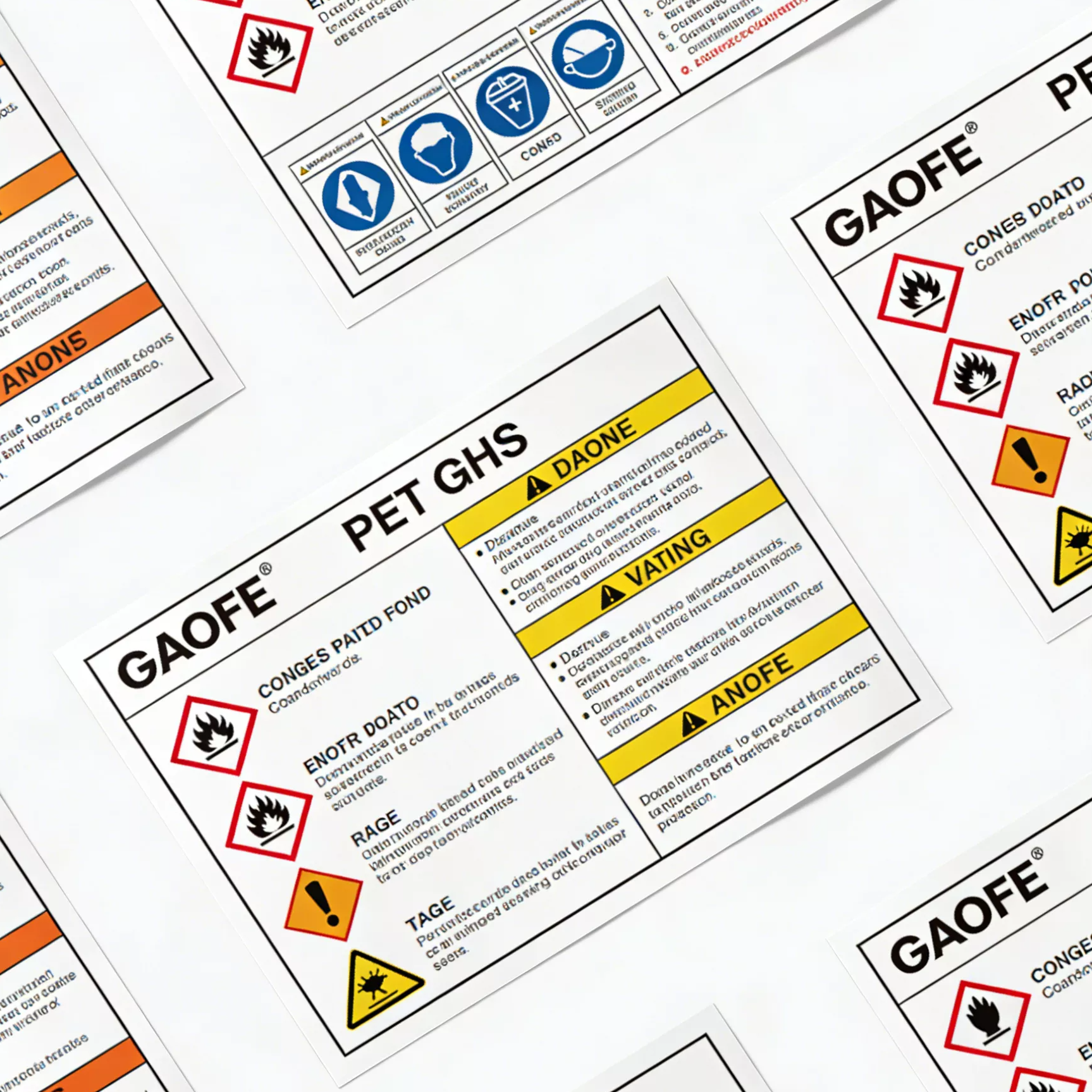
Fire Safety Labels and Caution Labels in Public Buildings
In public spaces like malls, schools, and hospitals, fire safety labels guide occupants during emergencies.
Fire Safety Labels: Show locations of fire extinguishers, alarms, and emergency exits. They often use bright colors and directional arrows for quick recognition.
Caution Labels: Warn about temporary hazards such as wet floors or restricted areas. They also enforce rules like no parking in emergency lanes.
Healthcare and First Aid Safety Labels in Medical Facilities
Medical environments have unique hazards requiring specialized labels.
Biological Hazard Labels: Mark areas or containers with infectious materials to protect staff and patients.
Radiation Warning Labels: Indicate rooms or equipment emitting radiation, ensuring proper precautions.
Sterile Equipment Labels: Confirm whether medical tools are sterilized or need reprocessing.
Emergency Equipment Labels: Point to first aid kits, defibrillators, and eyewash stations for quick access during emergencies.
Sharps Disposal Labels: Guide safe disposal of needles and other sharp objects to prevent injuries.
Transportation Warning Labels for Hazardous Materials
Transportation labels ensure safe handling and shipping of dangerous goods.
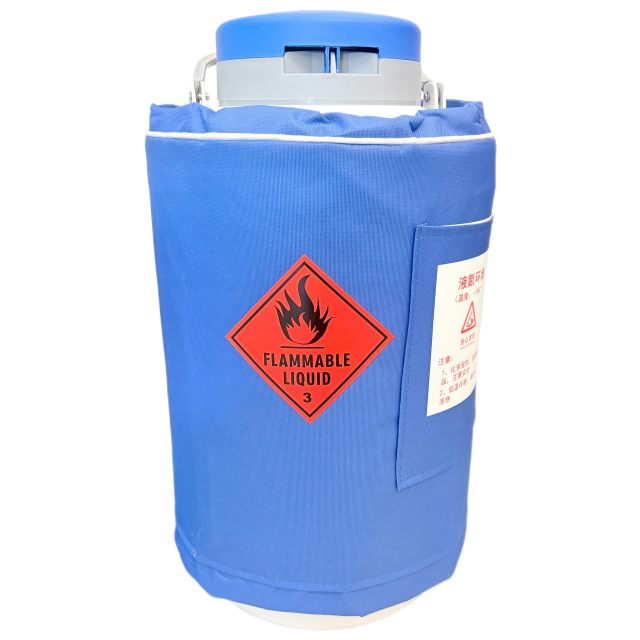
These labels identify flammable, corrosive, toxic, or radioactive materials.
They provide handling instructions and emergency response information.
Compliance with international standards like the UN’s Globally Harmonized System (GHS) is critical for these labels.
Product Warning Labels in Consumer Goods
Consumer products carry labels that inform users about safe use and potential risks.
Food Labels: List allergens, ingredients, and storage instructions.
Toy Labels: Include age recommendations and choking hazard warnings.
Electronics Labels: Warn about electrical risks, battery hazards, or proper disposal methods.
Household Products: Provide instructions and warnings for cleaning agents, chemicals, or appliances.
Each label type plays a crucial role in preventing accidents, ensuring compliance, and protecting people and property.
Tip: Always match safety labels to specific hazards and environments to maximize their effectiveness and compliance.
Key Differences Between Safety Labels and Warning Labels
Purpose and Messaging: Alerts vs. Instructions
Safety labels and warning labels both aim to keep people safe, but their messages differ. Warning labels alert you to potential dangers. They say, “Watch out! This could hurt you.” Safety labels, on the other hand, often provide instructions on how to stay safe. They guide you on what to do or avoid to prevent accidents. For example, a warning label might say, “Danger: High Voltage,” while a safety label might instruct, “Wear insulated gloves before handling.”
Design Elements: Signal Words, Colors, and Pictograms
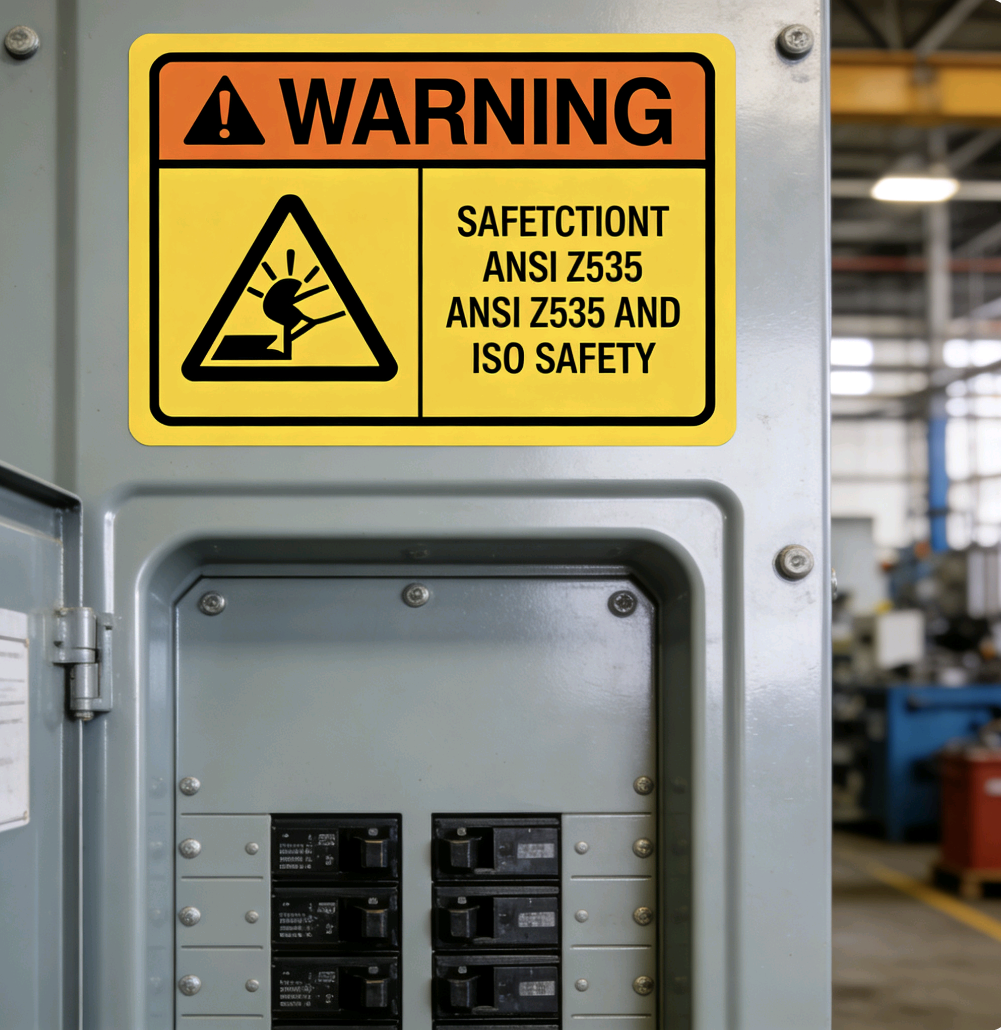
Design helps people understand the message quickly. Warning labels usually feature strong signal words like “DANGER” or “WARNING” in bold letters. These words are often in red or orange to grab attention. Safety labels might use words like “CAUTION” or “NOTICE” and tend to use yellow or blue colors. Both types often include pictograms—simple images that show the hazard or safety action. For instance, a skull and crossbones signals poison, while a glove icon suggests wearing protective gloves.
Regulatory Requirements and Compliance Standards
Different rules govern safety and warning labels. Agencies like OSHA, ANSI, and ISO set standards on how labels should look and what information they must contain. Warning labels generally have stricter requirements since they deal with more severe hazards. They must clearly communicate the risk and the consequences of ignoring it. Safety labels also follow standards but focus more on safe practices and correct use. Ensuring labels meet these regulations avoids fines and improves workplace safety.
Placement and Visibility Considerations
Where you put labels matters a lot. Warning labels need to be highly visible, placed where hazards are most likely encountered. They should catch attention immediately. Safety labels are often placed near equipment or areas where safe actions are required. Both types benefit from eye-level placement and good lighting. Labels should not be blocked or placed on surfaces that wear easily. Regular checks ensure labels remain clear and legible over time.
Tip: Use clear signal words and high-contrast colors on labels to instantly convey hazard severity and required safety actions in your workplace.
How to Choose the Right Safety and Warning Labels for Your Workplace
Choosing the right safety and warning labels is key to protecting workers and visitors. Labels must clearly communicate hazards and safety instructions. Here’s how to select the best ones for your workplace.
Assessing Workplace Hazards and Risks
Start by identifying all potential hazards in your environment. Walk through work areas and note risks such as:
Machinery with moving parts
Chemical storage and handling
Electrical panels or high voltage areas
Hot surfaces or steam pipes
Areas with heavy lifting or falling objects
Understanding specific dangers helps you pick labels that address those risks directly. For example, if chemicals are present, use chemical hazard labels that show the type of danger and safety steps.
Understanding Industry Standards and Regulations (OSHA, ANSI, ISO)
Safety labels must meet legal requirements set by organizations like OSHA, ANSI, and ISO. These standards dictate:
Signal words (DANGER, WARNING, CAUTION)
Color schemes and symbols
Label size and font readability
Placement and durability
Check which standards apply to your industry and location. Using compliant labels avoids fines and ensures workers get consistent safety messages.
Selecting Durable Materials Suitable for Environment
Choose label materials that last in your workplace conditions. Consider:
Vinyl or polyester for moisture and chemical resistance
Aluminum for outdoor or corrosive environments
Polycarbonate for abrasion resistance on machinery
Labels exposed to oil, water, or sunlight need waterproof and UV-resistant materials. Durable labels reduce replacement frequency and keep warnings visible.
Considering Label Size, Language, and Multilingual Needs
Labels must be readable from typical viewing distances. Larger labels suit wide-open spaces or distant hazards. Smaller labels fit on equipment or containers.If your workforce speaks multiple languages, include multilingual text or pictograms. Clear visuals help everyone understand warnings quickly, reducing accidents.
Customizing Labels for Specific Equipment and Hazards
Every workplace has unique needs. Custom labels let you:
Add company logos or contact info
Include specific instructions for unusual hazards
Use special shapes or colors for quick recognition
Print serial numbers or barcodes for tracking
Customizing ensures labels fit perfectly and convey the right message for your equipment and risks.
Tip: Conduct a thorough hazard assessment and consult relevant standards before choosing labels to ensure maximum safety and compliance.
Best Practices for Applying Safety and Warning Labels
Applying safety and warning labels properly is crucial for their effectiveness. Poor application can lead to labels falling off, becoming unreadable, or simply being ignored. Follow these best practices to ensure your labels communicate hazards clearly and last as long as needed.
Choosing Appropriate Locations for Maximum Visibility
Place labels where hazards or safety instructions are most relevant. For example, on machinery near moving parts or chemical containers at eye level.
Avoid placing labels where they might be blocked by equipment, tools, or storage items.
Use locations that workers and visitors frequently pass or look at during tasks.
Consider lighting conditions; labels should be visible in low light or shadowed areas.
For emergency equipment like fire extinguishers or first aid kits, place labels prominently so they can be spotted quickly.
Preparing Surfaces for Optimal Adhesion
Clean surfaces thoroughly to remove dust, grease, or moisture before applying labels.
Use alcohol wipes or mild detergents to ensure surfaces are dry and free from contaminants.
Avoid applying labels on rough, uneven, or textured surfaces that reduce adhesion.
For curved or irregular surfaces, use flexible label materials designed to conform without peeling.
Temperature matters—apply labels in moderate temperatures for best bonding; avoid very cold or hot surfaces.
Ensuring Label Durability and Regular Maintenance
Select label materials suitable for the environment (waterproof, oil-proof, UV resistant).
Inspect labels periodically for signs of wear, fading, or peeling.
Clean labels gently if dirt or grime obscures the text or images.
Maintain a schedule for routine checks, especially in harsh environments like factories or outdoors.
Use protective laminates or coatings on labels exposed to chemicals or abrasion.
Replacing Damaged or Faded Labels Promptly
Damaged or illegible labels can cause confusion and increase accident risk.
Replace labels immediately once damage or fading is noticed.
Keep an inventory of common labels on hand for quick replacement.
Train maintenance staff to report and replace problematic labels without delay.
Document label replacements as part of your safety audit or compliance records.
Training Employees on Label Meaning and Importance
Educate workers about the meaning of different signal words (DANGER, WARNING, CAUTION).
Explain the significance of pictograms and color codes.
Include label information in safety orientations and ongoing training.
Encourage workers to report missing or damaged labels.
Use real-life examples to show how labels prevent accidents and injuries.
Tip: Always apply safety and warning labels on clean, dry surfaces at eye level or in direct line of sight to ensure maximum visibility and long-lasting adhesion.
Benefits of Using Waterproof and Oil-Proof Safety and Warning Labels
In many workplaces, conditions can be tough on safety labels. Exposure to water, oil, chemicals, or extreme weather can quickly ruin ordinary labels. Using waterproof and oil-proof safety and warning labels helps keep messages clear and visible, even in harsh environments.
Enhanced Durability in Harsh Environments
Waterproof and oil-proof labels are made from tough materials like vinyl, polyester, or laminated plastics. These materials resist moisture, oils, grease, and chemicals that often wear down standard paper labels. This durability means labels stay stuck and readable longer, reducing the need for frequent replacements.For example, in manufacturing plants where machines get oily or wet, these labels won’t peel or smudge. In outdoor settings, they resist rain and UV damage. This reliability helps maintain continuous safety communication.
Maintaining Visibility in Wet or Oily Conditions
Labels exposed to water or oil can become blurry or lose adhesion. Waterproof and oil-proof labels maintain sharp print quality and strong adhesion even when wet or greasy. This ensures workers and visitors can always see warnings and instructions clearly.Clear visibility is vital for preventing accidents. Imagine a chemical container label that smears or falls off in a spill. The risk of mishandling increases. Waterproof and oil-proof labels prevent such hazards by staying legible and in place.
Reducing Replacement Frequency and Costs
Replacing damaged labels costs time and money. Regular label replacement interrupts workflow and can create gaps in safety communication. Waterproof and oil-proof labels last longer, cutting down replacement frequency and saving resources.Over time, investing in these durable labels reduces purchasing and labor costs. It also minimizes downtime caused by unclear or missing warnings. Businesses benefit from better safety and lower expenses.
Supporting Compliance with Safety Standards
Many safety regulations require labels to remain legible and intact under workplace conditions. Waterproof and oil-proof labels help meet these standards by resisting environmental damage. Using durable labels ensures compliance with OSHA, ANSI, ISO, and other regulatory bodies.Compliance avoids fines and legal issues while promoting a safer workplace. Waterproof and oil-proof labels demonstrate a company’s commitment to safety and regulatory adherence.
Tip: Choose waterproof and oil-proof labels for areas exposed to moisture or oils to ensure long-lasting safety communication and reduce replacement costs.
The Role of Safety Label Printers in Effective Safety Communication
Safety label printers play a crucial role in delivering clear, reliable safety messages. They allow businesses to produce customized labels that meet specific needs, ensuring safety communication is accurate and compliant.
Advantages of Custom Printing Safety and Warning Labels
Custom printing lets you tailor labels to your exact requirements. You can include specific hazard information, company logos, or unique instructions. This personalization helps workers quickly identify risks and understand required actions. Custom labels also adapt to various shapes and sizes of equipment or containers, improving visibility and relevance.For example, a chemical plant might print labels with exact chemical names, hazard levels, and handling instructions. This reduces confusion and enhances safety.
Cost-Effectiveness of In-House Label Production
Printing labels internally saves money over buying pre-printed ones. You avoid large minimum orders and reduce waste from unused labels. It also lets you print labels on demand, so you always have fresh, legible labels ready.In-house printing cuts shipping costs and turnaround times, enabling quick updates when regulations or procedures change. This flexibility is especially valuable in fast-paced or high-risk environments.
Ensuring Compliance with Updated Standards
Safety standards evolve. Having your own printer means you can update labels immediately to reflect new regulations or company policies. This helps maintain compliance with OSHA, ANSI, ISO, and other bodies.You can quickly remove outdated labels and replace them with current versions, reducing the risk of fines or safety incidents due to incorrect information.
Quality Control Over Label Materials and Print Resolution
Controlling label production lets you choose materials suited to your environment—waterproof, oil-proof, UV-resistant, or abrasion-resistant. You ensure print clarity so text and symbols remain legible.High print resolution is essential for small fonts or detailed pictograms, which convey critical safety information. Good quality labels last longer and withstand harsh conditions, maintaining safety communication over time.
Choosing the Right Label Printer: Types and Features
Selecting the right printer depends on your needs. Common types include:
Thermal Transfer Printers: Use ribbons for durable, high-quality prints on various materials. Great for industrial labels.
Direct Thermal Printers: No ribbon needed; best for short-term labels, like shipping tags.
Inkjet Printers: Offer color printing but may lack durability for harsh environments.
Laser Printers: Good for high-volume, detailed labels but may require special materials.
Key features to consider:
Print resolution (300 dpi or higher for fine details)
Compatibility with label materials (vinyl, polyester, aluminum)
Ease of use and software support
Print speed and volume capacity
Choosing wisely ensures your labels meet safety needs and streamline your labeling process.
Tip: Invest in a thermal transfer label printer for durable, high-resolution safety labels that withstand tough workplace conditions and ensure long-lasting safety communication.
Ensuring Compliance with Industry Standards for Safety Labels
Ensuring safety labels meet industry standards is crucial for effective hazard communication and legal compliance. Various regulatory bodies set guidelines about label design, content, and application to protect workers and consumers. Let’s explore key aspects of compliance.
Overview of Key Regulatory Bodies (OSHA, ANSI, ISO, IEC)
Several organizations govern safety label standards worldwide:
OSHA (Occupational Safety and Health Administration): U.S. agency enforcing workplace safety laws. OSHA requires labels to clearly communicate hazards and safety instructions to prevent accidents.
ANSI (American National Standards Institute): Sets voluntary but widely adopted standards for safety labels, including color codes, signal words, and pictograms.
ISO (International Organization for Standardization): Provides international standards for hazard communication, including label symbols and formats, ensuring consistency across countries.
IEC (International Electrotechnical Commission): Focuses on electrical and electronic equipment safety standards, including labeling requirements for electrical hazards.
Understanding which bodies apply to your industry and location helps ensure your labels meet all necessary legal and safety requirements.
Certification and Approval of Safety Labels
Certified safety labels have been tested and approved to meet specific standards. Certification may come from recognized labs or regulatory agencies. Using approved labels:
Confirms the label’s durability and readability under expected conditions.
Ensures the label content complies with hazard communication laws.
Reduces liability risks by demonstrating due diligence in hazard warnings.
Always verify that your safety labels have proper certification for your industry and region.
Label Content Requirements and Signal Word Usage
Standards specify what information labels must include:
Signal Words: Indicate hazard severity. Common words are:
DANGER: Highest risk, could cause death or serious injury.
WARNING: Medium risk, could cause serious injury.
CAUTION: Lower risk, could cause minor or moderate injury.
Pictograms: Standardized symbols that visually represent hazards.
Hazard Description: Clear, concise explanation of the risk.
Precautionary Measures: Instructions on how to avoid the hazard.
Consequences: Possible outcomes if the warning is ignored.
Proper use of signal words and content ensures people immediately understand the risk and required actions.
Regular Review and Updating of Labeling Systems
Safety standards and workplace conditions can change. Regularly reviewing your labeling system is vital to:
Update labels reflecting new hazards or changes in processes.
Replace worn or outdated labels to maintain visibility.
Incorporate revised regulatory requirements or industry best practices.
Scheduled audits help maintain compliance and keep safety communication effective.
Importance of Regulatory Expertise in Label Manufacturing
Manufacturers with regulatory expertise provide:
Accurate label design that meets all relevant standards.
Guidance on selecting appropriate materials and adhesives.
Assistance in navigating complex compliance requirements.
Support for certification and testing processes.
Partnering with knowledgeable manufacturers reduces errors and ensures your labels are legally compliant and effective.
Tip: Always work with label manufacturers experienced in your industry’s regulatory standards to ensure your safety labels are compliant, durable, and clearly communicate hazards.
Conclusion
Safety and warning labels serve different but complementary roles in hazard communication. Choosing and applying the right labels is essential for clear safety instructions and risk alerts. Investing in durable labels and quality printers enhances compliance and reduces replacement costs. Implementing robust labeling systems significantly improves workplace safety and protects employees. GAOFE International Industrial Co.,Ltd. offers reliable safety labeling solutions that ensure durability and clear communication, adding value to your safety management efforts.
FAQ
Q: What are safety labels and how do they differ from warning labels?
A: Safety labels provide instructions on how to stay safe, while warning labels alert you to potential dangers. Safety labels guide safe actions; warning labels signal immediate hazards.
Q: How do safety labels improve workplace safety?
A: Safety labels communicate proper procedures and precautions, reducing accidents by guiding employees on safe practices around machinery, chemicals, and other hazards.
Q: Why should I choose waterproof and oil-proof safety labels?
A: Waterproof and oil-proof safety labels resist harsh conditions, maintaining visibility and adhesion in wet or oily environments, ensuring continuous safety communication.
Q: How much do custom safety labels typically cost?
A: Costs vary by material, size, and customization, but in-house printing with a safety label printer can reduce expenses compared to buying pre-printed labels.
Q: What should I consider when applying safety labels?
A: Apply safety labels on clean, dry, and visible surfaces at eye level, ensuring they are durable and regularly maintained for maximum effectiveness.


