Have you ever wondered how a small mistake on a pharmaceutical label can cause major health risks? Pharmaceutical labeling plays a vital role in ensuring that consumers use medications safely and effectively.
In this article, we will explore what pharmaceutical labeling is and why it is critical for both regulatory compliance and patient safety. You will learn how industrial labels impact drug safety, prevent errors, and ensure companies meet global standards.
Introduction
What is Pharmaceutical Labeling?
Pharmaceutical labeling refers to the written, printed, or graphic information provided on drug packaging and accompanying materials. This includes information on dosage, ingredients, side effects, and safety instructions, ensuring that consumers and healthcare providers have the necessary details to use the drug safely and effectively. In the pharmaceutical industry, labeling serves a critical role in communicating essential information about the drug to both healthcare professionals and consumers.
Importance of Regulatory Compliance and Patient Safety
Accurate pharmaceutical labeling is not just a regulatory requirement but a crucial element in safeguarding patient health. The pharmaceutical industry operates under stringent regulations, such as those set by the FDA in the United States and the EMA in Europe, which mandate clear and accurate labeling. Compliance with these regulations is essential to prevent medication errors, allergic reactions, or ineffective use of drugs. Incorrect labeling can result in severe consequences, including product recalls, lawsuits, and reputational damage.
Why is Pharmaceutical Labeling Critical?
Pharmaceutical labels play a central role in ensuring drug safety and efficacy. By providing information such as drug interactions, contraindications, and dosing instructions, labels guide both medical professionals and consumers in using the medication properly. This connection between accurate labeling and drug efficacy cannot be overstated, as mislabeled products can lead to harmful health outcomes. Furthermore, proper labeling helps to mitigate risks, such as costly product recalls or market withdrawals, which can significantly affect a company’s bottom line.
The Legal and Regulatory Landscape of Pharmaceutical Labels
FDA Labeling Requirements
The FDA has established detailed guidelines for labeling pharmaceutical products. These requirements ensure that drugs are accurately represented and that consumers receive clear instructions on their use. The key elements required on pharmaceutical labels include:
Active Ingredients: The main compounds responsible for the drug’s therapeutic effects.
Dosage Instructions: Specific guidelines on how much and how often the medication should be taken.
Warnings: Alerts about potential side effects, contraindications, and interactions with other drugs.
Side Effects: Information about adverse reactions that users may experience.
Meeting these requirements ensures that products are safe for consumer use and that pharmaceutical companies maintain compliance with federal regulations.
Global Labeling Standards
Pharmaceutical labeling regulations vary by region, but most countries follow similar guidelines to those set by the FDA. The European Medicines Agency (EMA) and Health Canada, for example, have their own sets of rules that align closely with FDA guidelines but also consider local market needs. Labels must therefore be adapted for each market, ensuring compliance with different national requirements.
Impact of Labeling on Compliance and Market Approval
Non-compliance with labeling standards can lead to significant consequences, including delayed market approval, fines, and even product recalls. It is crucial that pharmaceutical companies stay up to date with both international and regional regulatory requirements to avoid these costly risks. Properly labeled drugs ensure that pharmaceutical companies meet safety and regulatory standards, making them eligible for approval and minimizing legal risks.
| Topic | Description |
| What is Pharmaceutical Labeling? | Written, printed, or graphic information on drug packaging, ensuring safe use and compliance. |
| Importance of Industrial Labels | Industrial labels ensure pharmaceutical products meet regulatory standards, providing crucial information for safety. |
| Labeling’s Role in Drug Safety | Labels provide essential info on dosage, interactions, and risks, helping prevent errors and ensuring patient safety. |
| Types of Pharmaceutical Labels | Primary, secondary, and tertiary labels, each playing a role in clear communication throughout packaging stages. |
| Technological Advancements | Smart labels and automation technologies enhance accuracy, traceability, and efficiency in pharmaceutical labeling. |
| Regulatory Compliance | Accurate labels are key to meeting global regulations and ensuring product safety and market approval. |
Essential Elements of Pharmaceutical Labels
Mandatory Information on Pharmaceutical Labels
Pharmaceutical labels must contain several mandatory elements to be compliant and ensure patient safety. These include:
Active Ingredients and Dosage Instructions: Clearly stating the active compounds and appropriate dosage.
Warnings and Side Effects: Highlighting potential risks and adverse reactions.
Contraindications: Indicating conditions under which the drug should not be used.
Storage and Handling Information: Guidelines for storing the medication to preserve its effectiveness.
These elements are essential for both patient safety and regulatory compliance.
Packaging and Labeling Requirements
Pharmaceutical products often require multiple layers of labeling across various packaging stages. These include:
Primary Labels: The label directly on the drug container, such as a bottle or blister pack.
Secondary Labels: Labels on the outer box or packaging that may include additional instructions or promotional information.
Tertiary Labels: Labels used for bulk packaging or shipping.
Each packaging level must adhere to strict guidelines, ensuring that the labeling information is clear, legible, and appropriately placed.
Regulatory Affairs and Label Accuracy
Regulatory affairs professionals play a critical role in ensuring that pharmaceutical labels are both compliant and accurate. Their responsibilities include:
Proofreading: Ensuring that all the information on the label meets regulatory standards.
Version Control: Managing different label versions for various markets and updating them as new data becomes available.
Cross-Verification: Ensuring that labels match the product and have not been mixed up with other drugs.
This attention to detail helps prevent costly labeling mistakes that could harm patients or delay drug approval.
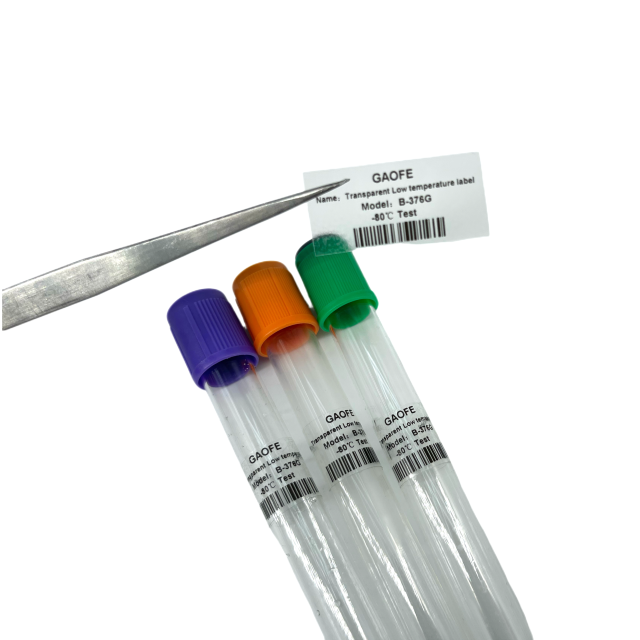
Pharmaceutical Labeling Types
Prescription vs. Over-the-Counter (OTC) Labels
Prescription and over-the-counter (OTC) drugs have distinct labeling requirements. Prescription labels often include detailed information about dosage, administration, and side effects, whereas OTC labels focus more on simple instructions and common uses.
For OTC products, the Drug Facts Table is a key component of the label, providing standardized information that consumers can easily understand. This table typically includes active ingredients, directions for use, and warnings about side effects.
Medication Guides and Patient Information
For prescription drugs, additional materials, such as Medication Guides (MG), Patient Package Inserts (PPI), and Instructions for Use (IFU), are often included. These materials provide further details on drug use, including:
Barcodes and Serialization in Pharmaceutical Labels
To combat drug counterfeiting and ensure traceability, pharmaceutical labels often include barcodes and serialization codes. These technologies enable companies to track products throughout the supply chain, ensuring that patients receive authentic medications and that any product recalls can be efficiently managed.
Common Labeling Mistakes and How to Avoid Them
The Consequences of Labeling Errors
Even minor labeling mistakes can have significant consequences. Errors may lead to incorrect drug administration, adverse drug interactions, and even patient harm. For instance, a misprinted dosage instruction could lead to accidental overdosing, which can be fatal. Beyond patient safety, labeling mistakes can also lead to costly recalls, legal action, and damage to a company's reputation.
Best Practices in Pharmaceutical Labeling
To avoid these mistakes, pharmaceutical companies should follow these best practices:
Regular Proofreading: Ensure all labeling information is double-checked for accuracy before submission.
Adherence to Guidelines: Stay up to date with all FDA, EMA, and regional labeling requirements.
Utilize Automation: Use automated proofreading software and tracking systems to streamline the labeling process and reduce human error.
Role of Automated Proofreading Software and Regulatory Tracking Systems
Automated systems can enhance accuracy and efficiency in the labeling process. By integrating these tools with regulatory tracking systems, pharmaceutical companies can ensure compliance with both domestic and international standards while minimizing human errors.
Consider integrating automated systems into your labeling workflow to enhance efficiency and reduce the risk of errors.
Technological Innovations in Pharmaceutical Labeling
The Role of Automation and AI in Labeling
Automation and artificial intelligence (AI) are transforming the pharmaceutical labeling industry. These technologies can quickly process large volumes of data, helping to streamline the creation and verification of drug labels. AI-powered tools can detect inconsistencies or errors in labeling and suggest corrections in real time, ensuring compliance with regulatory standards.
Smart Labels and QR Codes in Pharmaceutical Packaging
Smart labels, including those with QR codes or digital tags, offer enhanced functionality. These labels allow consumers to scan the product with their smartphones, accessing detailed information about the drug, such as dosage instructions, side effects, and manufacturer details. Smart labeling also helps improve patient engagement and can be used to combat counterfeiting.
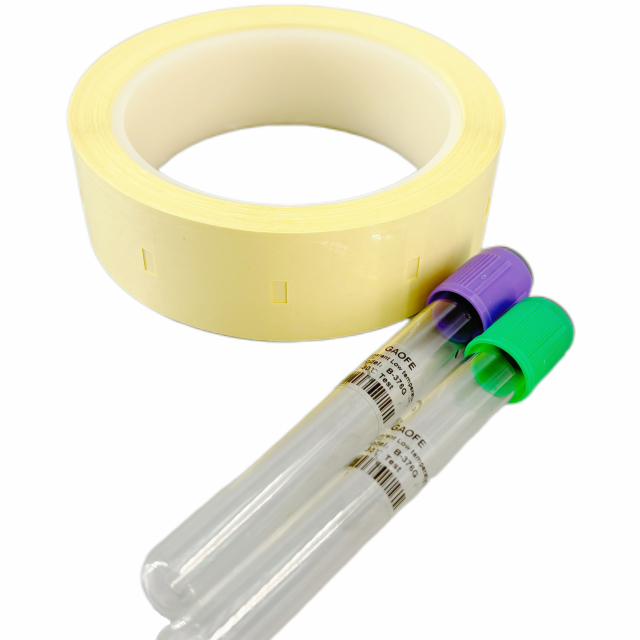
The Future of Pharmaceutical Labeling
Evolving Regulations and Trends
Pharmaceutical labeling is constantly evolving to meet new regulatory standards and technological advancements. As countries around the world update their laws, pharmaceutical companies must stay informed and adapt their labeling practices accordingly. Keeping an eye on these changes will help ensure compliance and avoid disruptions in the market.
Sustainability in Pharmaceutical Labeling
Sustainability is becoming an important consideration in pharmaceutical labeling. As the industry moves toward greener solutions, pharmaceutical companies are exploring eco-friendly materials and processes. From biodegradable labels to reducing packaging waste, sustainability is a growing trend that not only helps the environment but also aligns with consumer demand for more responsible business practices.
Conclusion
Pharmaceutical labeling is essential for ensuring drug safety and effectiveness. With evolving global regulations and technological advancements, companies must focus on maintaining accurate labeling for compliance. As the industry moves towards innovation and sustainability, staying updated on regulatory changes is crucial. For businesses seeking reliable solutions, GAOFE offers products like the Cryogenic Tube Labels that ensure accurate and durable labeling for biobanking and other critical applications.
FAQ
Q: What is pharmaceutical labeling?
A: Pharmaceutical labeling refers to the written, printed, or graphic information on drug packaging, including dosage, ingredients, side effects, and safety instructions.
Q: Why are industrial labels important in the pharmaceutical industry?
A: Industrial labels ensure that pharmaceutical products comply with regulatory standards and provide clear, accurate information to consumers and healthcare professionals.
Q: How does labeling impact drug safety?
A: Proper labeling ensures the safe use of medications by providing essential information on dosage, interactions, and potential risks, reducing the chance of harmful errors.
Q: What are the common types of pharmaceutical labels?
A: Common types include primary, secondary, and tertiary labels, each serving different stages of packaging, ensuring clear communication and compliance.


