The clean label movement is transforming the food industry as consumers demand greater transparency and healthier choices. Food brands are responding by using simpler, cleaner ingredients and adopting industrial labels that highlight these qualities. In this article, we will explore what "clean label" means, its impact on the food industry, and how brands can leverage industrial labels to meet consumer expectations. You will discover how clean labels foster trust, enhance product quality, and align with sustainability trends.
Understanding the Clean Label Concept
What Does "Clean Label" Mean?
"Clean label" refers to food products that contain minimal, easily recognizable ingredients—those that consumers are familiar with and feel comfortable consuming. These products typically exclude artificial additives, preservatives, and synthetic chemicals, focusing on whole, natural ingredients that are often found in home kitchens.
The primary goal of a clean label is to make it easier for consumers to understand what they are eating. By using clear, simple language and ingredients that consumers trust, clean labels foster a sense of transparency, authenticity, and quality.
Key Features of Clean Label Products
Simplicity in Ingredient Lists: Clean label products typically have fewer ingredients, with each one serving a specific purpose. These ingredients are easy to pronounce and widely recognized as natural.
Transparency in Product Marketing: Clean label products are transparent in how ingredients are sourced, manufactured, and processed. Brands openly share information about the origin of their ingredients and their production methods.
The Clean Label and Consumer Trust
Trust is a crucial element in the success of clean labels. Consumers are increasingly skeptical of artificial ingredients and additives that they don’t recognize or understand. Clean label products, by offering transparency and simplicity, help build trust between brands and consumers. As more people seek natural, wholesome foods, clean labels play an essential role in establishing consumer confidence and loyalty.
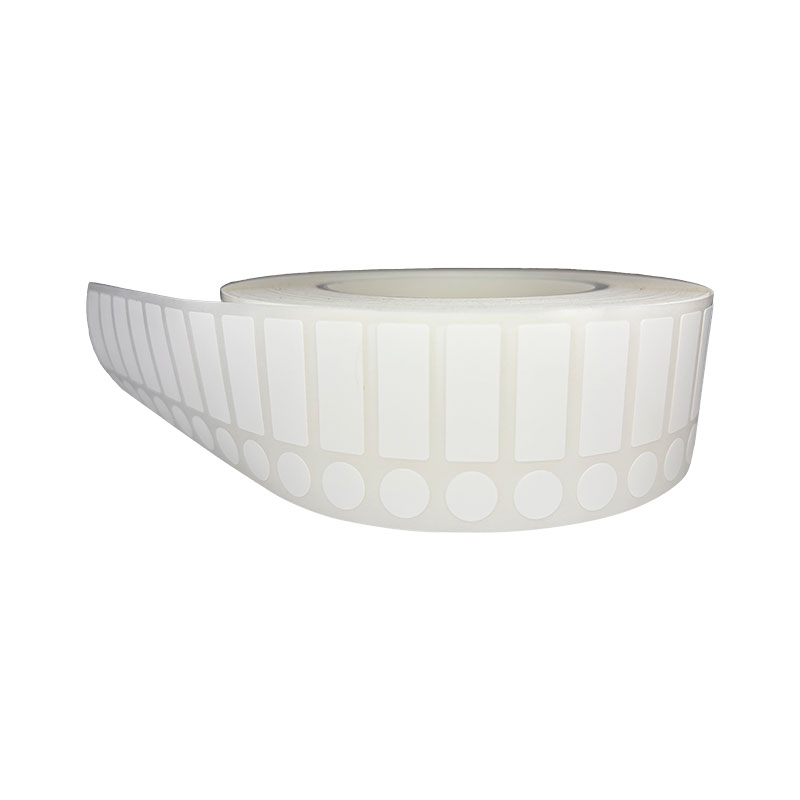
Clean Label Ingredients: What’s In and What’s Out?
The Rise of Natural Ingredients
Natural ingredients have become the cornerstone of clean labels. These ingredients are simple, recognizable, and free from synthetic chemicals. Some examples include:
Vanilla extract instead of artificial vanilla flavor.
Honey as a natural sweetener in place of high fructose corn syrup.
Citrus zest for flavoring instead of artificial flavorings.
Clean label products aim to replace synthetic preservatives, colors, and sweeteners with naturally derived alternatives. This not only enhances the product's appeal but also meets consumer demand for healthier, more sustainable options.
Ingredients Consumers Avoid
Consumers are increasingly wary of ingredients that sound artificial or complex, such as:
Artificial sweeteners like aspartame.
Preservatives such as sodium benzoate or BHA.
Artificial colors like Red 40 or Yellow 5.
These ingredients are often seen as unnecessary and unhealthy. The clean label movement advocates for the removal of such additives, opting for simple, natural alternatives that consumers can recognize and trust.
Simple vs. Complex: The Ingredient List Debate
One of the defining characteristics of clean label products is their short ingredient lists. When comparing clean labels to traditional processed foods, clean labels often contain fewer, simpler ingredients. For instance, a clean label cake might list “baking powder,” while a conventional product might include “calcium phosphate” and “sodium diphosphate.” This simplicity resonates with consumers, who prefer products with ingredients they can understand and trust.
The Role of Transparency in Clean Labeling
Ingredient Sourcing and Sustainability
Sustainability is an integral part of clean labeling. Clean label products often emphasize ethically sourced, sustainable ingredients. Brands are increasingly highlighting the environmental impact of their ingredient sourcing and production processes, which appeals to eco-conscious consumers.
Sustainable sourcing practices may include using organic or non-GMO ingredients, as well as supporting fair trade and responsible farming practices. This transparency in sourcing is a significant factor in building consumer trust and loyalty.
Packaging and Consumer Education
Packaging plays a critical role in the clean label movement. Clear, simple packaging not only reflects the values of transparency and authenticity but also educates consumers about the product’s contents.
Additionally, recyclable, biodegradable, or compostable packaging materials are becoming increasingly popular. These eco-friendly practices resonate with consumers who are concerned about environmental sustainability, further aligning with the values of clean labeling.
How Labels Build Consumer Confidence
Labels are a powerful tool in building consumer confidence. Clear, honest labeling helps consumers make informed decisions about the products they purchase. Many clean label products include certifications such as:
Non-GMO Verified
Organic Certified
Gluten-Free
These certifications provide added reassurance to consumers that the products meet specific quality standards, further enhancing trust in the brand.
| Aspect | Details |
| Clean Label Definition | Simple, recognizable ingredients with no artificial additives or preservatives. |
| Consumer Demand | Increased demand for transparency, health-conscious choices, and natural ingredients. |
| Impact on Food Industry | Brands are shifting towards simpler, cleaner ingredients and clearer labeling. |
| Role of Industrial Labels | Industrial labels highlight key attributes like natural ingredients, transparency, and sustainability. |
| Building Trust | Clean labels help establish consumer trust by offering transparency and avoiding synthetic chemicals. |
| Product Quality | Clean labels improve perceived product quality by focusing on wholesome, natural ingredients. |
| Sustainability Trends | Clean labeling aligns with sustainability by focusing on ethically sourced, natural ingredients. |
| Adaptation for Brands | Brands must simplify ingredient lists and embrace natural ingredients while using industrial labels to meet consumer expectations. |
Why Clean Label Matters to Consumers
Health and Wellness Trends
Clean label products are closely linked to the growing health and wellness movement. As consumers become more health-conscious, they are seeking products that align with their dietary needs and values. Clean labels, with their focus on natural ingredients and transparency, resonate with consumers who prioritize health and wellness in their food choices.
Trust and Skepticism in the Food Industry
In a world where consumers are bombarded with information about food additives, preservatives, and artificial ingredients, clean label products offer a sense of relief. They provide a more straightforward, understandable approach to food labeling, helping consumers feel more confident about their choices.
As more consumers demand natural and minimally processed foods, clean labels serve as a direct response to their skepticism of overly processed, artificial products.
The Impact on Taste and Authenticity
Natural ingredients are often associated with better taste and authenticity. Clean label products emphasize the use of familiar, wholesome ingredients that consumers associate with high-quality, homemade food. By using ingredients such as fresh fruits, herbs, and spices, clean label products aim to offer a more authentic flavor profile that consumers can trust and enjoy.
How Brands Can Achieve Clean Label Status
Simplifying Formulations
To create clean label products, brands should focus on simplifying their formulations. This means reducing the number of ingredients and ensuring that each ingredient serves a clear purpose. By doing so, brands can create products that are not only cleaner but also more appealing to consumers.
Switching to Natural and Familiar Ingredients
Replacing synthetic ingredients with natural alternatives is a crucial step in achieving clean label status. For example, using beet juice for color instead of artificial food dyes or rosemary extract as a preservative instead of synthetic chemicals.
Balancing Cost and Consumer Demands
While clean label products are in high demand, they can also be more expensive to produce due to the use of natural ingredients and sustainable sourcing. Brands must find a balance between meeting consumer demand for clean labels and maintaining competitive pricing. This may involve optimizing production processes, sourcing ingredients in bulk, or leveraging partnerships with suppliers.
Regulatory Compliance
Though "clean label" is not a legally regulated term, it’s important for brands to ensure that their products comply with all food safety regulations. This includes providing accurate ingredient lists, meeting labeling requirements, and ensuring the safety of the ingredients used in the products.

Challenges and Misconceptions in Clean Labeling
Consumer Confusion over Terms
Terms like “natural,” “organic,” and “clean label” can be confusing for consumers. While these terms are often used interchangeably, they don’t always mean the same thing. For example, some natural ingredients might still be processed or contain additives that don’t align with the clean label philosophy.
The Struggle with Shelf Life and Quality
One of the major challenges in clean labeling is maintaining the shelf life and quality of products without relying on artificial preservatives or additives. Manufacturers must innovate with natural preservatives and advanced food processing techniques to ensure their products stay fresh without compromising their clean label promise.
Clean Labels Aren’t Always Healthier
While clean label products exclude many artificial additives, they aren’t always healthier. Some clean label products can still be high in sugar, salt, or fat. Consumers should be mindful that clean labels don’t necessarily equate to healthier food options.
Conclusion
The clean label movement is reshaping the food industry, driven by the growing demand for transparency and simplicity. Brands that adopt clean labeling principles build consumer trust and stand out in a competitive market.
As this trend evolves, food brands must simplify formulations, use natural ingredients, and prioritize sustainability. The future lies in transparency and authenticity.
To meet these demands, companies like GAOFE offer products that align with clean label trends, ensuring quality, sustainability, and consumer trust in the food industry.
FAQ
Q: What is a clean label in the food industry?
A: A clean label refers to food products with simple, recognizable ingredients, free from artificial additives and preservatives. It promotes transparency and consumer trust.
Q: How do clean labels build consumer trust?
A: Clean labels build trust by offering clear, understandable ingredient lists. Consumers appreciate transparency and the absence of synthetic chemicals in clean label products.
Q: Why are clean labels important for food brands?
A: Clean labels align with consumer demand for healthier, simpler products. Brands that embrace clean labeling can differentiate themselves and appeal to health-conscious consumers.
Q: How do industrial labels relate to clean labels?
A: Industrial labels, such as those used for food packaging, must clearly communicate the ingredients and sourcing of products, aligning with clean label principles to meet consumer expectations.


