Label failure creates severe blind spots across manufacturing facilities and logistics hubs. Untraceable inventory, compliance fines, halted production lines, and safety hazards quickly follow when critical safety data becomes illegible or detaches entirely. We often treat label failure as a simple adhesive defect. In reality, it represents a multi-dimensional mismatch between adhesive chemistry, facestock material, printing methods, and the operational environment. Factors like surface energy, temperature extremes, mechanical abrasion, and chemical exposure all dictate long-term performance.
Specifying reliable Industrial Labels requires a systematic evaluation of substrates, environmental stressors, and lifecycle legibility requirements. Relying on generic marketing claims leads to inevitable failure. You must engineer the solution to match the exact physical realities of your application. This guide breaks down the physics of adhesion, substrate profiling, and material selection to help you permanently solve label detachment issues.
Surface Energy Dictates Adhesion: Low Surface Energy (LSE) materials like powder-coated metals and certain plastics require specialized aggressive adhesives to achieve proper "wet-out" and prevent peeling.
Legibility Is as Critical as Adhesion: A label that stays adhered but becomes illegible due to abrasion, chemicals, or UV exposure is still a failed label, especially in high-liability compliance environments.
Environment Outweighs Initial Tack: A label that adheres perfectly at room temperature may fail catastrophically under outdoor UV exposure, chemical washdowns, or extreme thermal cycling.
Facestock Flexibility Matters: Applying rigid materials to curved, textured, or irregular surfaces creates mechanical memory (flagging), leading to edge lift regardless of adhesive strength.
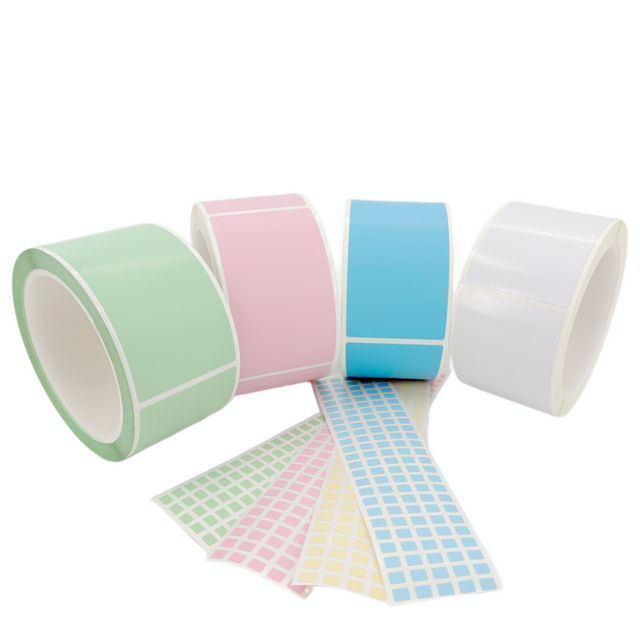
Why Industrial Labels Fail in Harsh Environments
We must first define what constitutes a failed label. Failure extends beyond complete detachment. Edge lift, flagging, bubbles, fading, and loss of barcode legibility all compromise operational integrity. Industrial-grade durability requires the tag to remain firmly attached and entirely readable throughout the asset's entire lifecycle. When you walk a facility floor, you see these failures everywhere: curled edges on pipe markers, faded serial numbers on outdoor pumps, and blistered warning tags on chemical drums.
Surface Energy and Adhesive Wet-Out
Surface energy dictates how well an adhesive spreads over a substrate. We measure this in dynes per centimeter. High Surface Energy (HSE) materials like glass, copper, and bare aluminum allow adhesives to flow easily. This creates a strong, immediate bond because the adhesive achieves maximum contact area. Low Surface Energy (LSE) materials like polypropylene, Teflon, and powder coatings resist adhesive spread. The adhesive beads up instead of flowing, much like water on a freshly waxed car hood. You need specialized, aggressive formulations with higher coat weights to achieve proper wet-out on LSE surfaces.
| Material Type | Surface Energy Level | Common Substrates | Adhesive Requirement |
| High Surface Energy (HSE) | High (Easy to bond) | Glass, Bare Aluminum, Copper, Stainless Steel | Standard acrylics perform well; fast wet-out. |
| Medium Surface Energy (MSE) | Moderate | ABS, Polycarbonate, Nylon, Acrylic | Modified acrylics; requires moderate dwell time. |
| Low Surface Energy (LSE) | Low (Hard to bond) | Powder-coated metals, Polypropylene, Teflon, Polyethylene | High-tack rubber or specialized LSE acrylics; high coat weight needed. |
Mechanical Memory and Flagging
Applying rigid facestocks to tight radiuses creates constant physical stress. Materials applied to cables, pipes, or vials naturally try to return to their flat state. This mechanical memory overpowers standard adhesives over time. The edges eventually lift, creating a phenomenon known as flagging. I have seen entire batches of wire harnesses fail inspection because rigid polyester tags flagged off the curved wires within 48 hours. You must match facestock flexibility to the curvature of the substrate. Vinyl and specialized polyolefins bend without fighting the adhesive.
Environmental Degradation
Extreme environments actively destroy adhesive polymer chains. High heat bakes the adhesive, causing it to become brittle and lose its tack. Cryogenic freezing shatters standard bonds, turning flexible adhesives into glass-like structures that snap under vibration. UV radiation breaks down both the face material and the adhesive layer, causing yellowing, cracking, and eventual powdering. Chemical solvents dissolve the bonding agents entirely. You must specify materials engineered to withstand these specific degrading forces based on actual site conditions.
Mechanical Abrasion and Friction
Heavy contact physically degrades unprotected face materials and inks. Vibration, scraping, and physical wear on mechanical sites will quickly erase critical data. Standard topcoats cannot survive constant friction from forklifts, operator handling, or automated sorting arms. You need robust overlaminates or subsurface printing techniques to protect the barcode and text from physical destruction. Subsurface printing places the ink behind a clear protective shield, making it impossible to scrape off without destroying the entire tag.
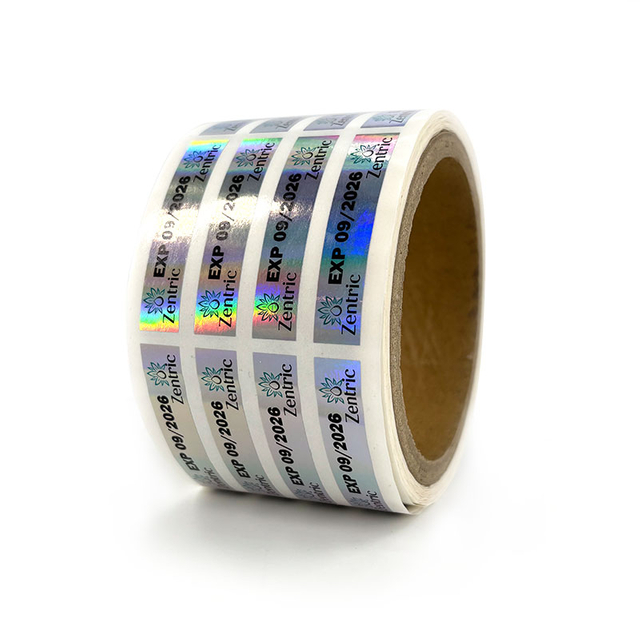
How to Evaluate Surfaces and Environments for Industrial Labels
Successful label specification demands a rigorous audit of the application surface and the surrounding environment. You cannot guess these parameters from a desk. You have to inspect the actual hardware.
Substrate Profiling
Texture and porosity drastically reduce the actual contact area for adhesives. Rough, cast, textured, or porous surfaces like cast iron engine blocks or textured plastic housings only allow the adhesive to touch the peaks of the surface. Standard thin adhesives fail here because they bridge the gaps rather than filling them. You need high-coat-weight solutions. A thicker adhesive layer flows into the valleys of a textured surface, establishing a solid mechanical bond.
Contamination risks present another massive hurdle. Mold release agents, machine oils, moisture, and dust act as invisible barriers. They prevent the adhesive from ever touching the actual substrate. If you apply a tag to a freshly stamped metal part covered in cutting fluid, the adhesive bonds to the oil, not the metal. You must evaluate these contamination risks before application and implement strict cleaning protocols.
Substrate expansion and contraction also stress the bond. Plastics and metals expand and contract at different rates during thermal cycles. This movement creates shear stress on the adhesive. Vehicle exteriors, outdoor electrical enclosures, and windows experience massive temperature swings. You need highly elastic adhesives that can stretch and recover as the substrate moves.
Operating Environment Extremes
Thermal cycling destroys rigid bonds. Rapid transitions from freezing outdoor temperatures to high-heat operational states demand thermally stable materials. Engine compartments, aerospace components, and outdoor climate shifts require adhesives that maintain their viscoelastic properties across wide temperature bands.
Industrial solvents and cleaning agents dissolve standard adhesives. Skydrol, MEK (Methyl Ethyl Ketone), brake fluid, and heavy caustic washdowns require highly resistant polymer constructions. If your facility uses aggressive degreasers, standard acrylics will turn to mush within weeks.
Outdoor weathering combines UV rays, moisture, and wind to degrade exterior-mounted tags. UV light breaks down the chemical bonds in standard plastics and adhesives. You need specialized UV-resistant facestocks and outdoor-rated acrylic adhesives for long-term survival on outdoor machinery and structural steel.
Compliance and Lifespan Requirements
You must map your specifications to regulatory standards like UL 969, CSA, RoHS, and OSHA. Determine the required durability timeline. Some applications require months of legibility for temporary logistics tracking. Others demand decades of survival under harsh conditions for permanent asset identification. Failing a UL inspection because a rating plate fell off a piece of heavy machinery causes massive shipping delays and compliance headaches.
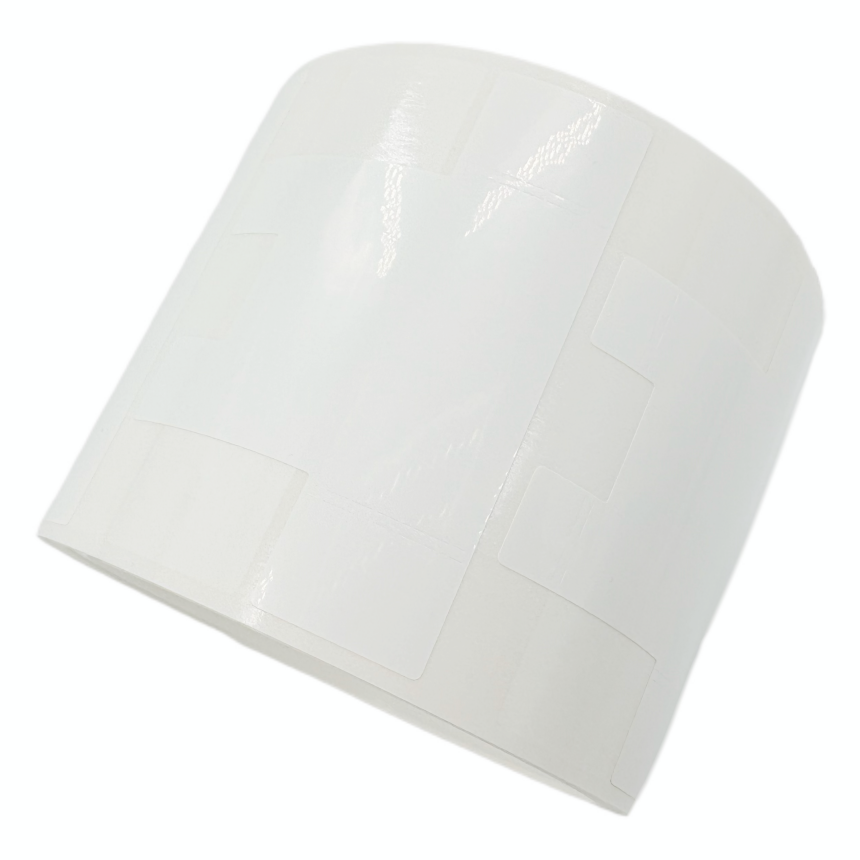
How to Choose the Right Adhesive for Industrial Labels
Selecting the right adhesive chemistry is critical. Each formulation offers distinct advantages and specific vulnerabilities. You must align the adhesive type with your substrate and environmental audit. There is no single adhesive that works for every application.
| Adhesive Type | Primary Advantages | Key Limitations | Best Field Applications |
| Standard Acrylic | Excellent UV resistance, high temperature tolerance, long-term durability, chemical resistance. | Lower initial tack (requires 24-72 hours to fully cure), struggles with LSE plastics. | Outdoor equipment, high-heat environments, long-term asset tracking on bare metals. |
| Modified Acrylic | Better initial tack than standard acrylic, bonds well to MSE and some LSE surfaces. | Slightly lower temperature and chemical resistance than pure acrylics. | Powder-coated panels, ABS plastic housings, general manufacturing. |
| Rubber-Based | High initial tack, excellent adhesion to LSE surfaces and rough textures. | Poor UV resistance (yellows and becomes brittle), lower temperature thresholds, vulnerable to chemicals. | Indoor logistics, corrugated boxes, rough cast indoor surfaces, temporary tracking. |
| Silicone | Extreme temperature resistance, maintains bond during severe thermal shock. | Limited compatibility with certain facestocks, requires specific handling and liners. | PCB manufacturing, aerospace components, high-heat glass bonding, wave soldering. |
When specifying Industrial Labels, you have to balance initial tack against ultimate adhesion. Rubber adhesives grab instantly, which operators love. However, they degrade quickly outdoors. Acrylics feel less sticky out of the box, but after 72 hours of dwell time, they form an incredibly strong, weather-resistant bond.
How to Match Industrial Label Materials to Different Surfaces
The facestock carries the printed information and protects the adhesive from environmental hazards. You must match the physical properties of the facestock to the geometry and hazards of the application site. Using the wrong facestock guarantees failure, even with the right adhesive.
Features-to-Outcomes
Polyester (PET) offers high durability, dimensional stability, and excellent chemical resistance. It handles high heat exceptionally well without shrinking or melting. PET works best for flat, rigid surfaces like equipment rating plates, electrical panels, and flat metal chassis. However, it remains too rigid for curved or highly textured surfaces. If you put PET on a small diameter pipe, it will flag.
Polypropylene (BOPP) provides good moisture resistance and flexibility. It suits indoor logistics, warehouse racking, and moderately curved surfaces. BOPP stretches slightly, allowing it to conform better than PET. However, BOPP has lower heat and UV tolerance. It will warp and degrade if exposed to direct sunlight or high-temperature washdowns.
Vinyl (PVC) is highly conformable, flexible, and UV-resistant. It excels on outdoor machinery, vehicles, piping, and irregular or textured surfaces. Vinyl stretches and moves with the substrate. It wraps around tight radiuses without flagging. Extreme heat can cause potential outgassing issues, but for general outdoor and curved applications, vinyl performs exceptionally well.
Polyimide (Kapton) delivers ultra-high temperature resistance. It survives wave soldering, reflow ovens, and harsh chemical washes. Polyimide serves as the standard for printed circuit board (PCB) tracking and aerospace engine components. It withstands temperatures that would instantly melt PET or vinyl.
Print Protection
You must protect the printed message from physical and chemical attacks. A blank tag is useless. Clear matte or gloss polyester overlaminates shield the ink from heavy abrasion and mild chemicals. Vinyl overlays offer flexible protection for curved surfaces. For extreme environments, subsurface printing places the ink beneath a clear protective layer, rendering it immune to chemical washdowns, scraping, and heavy industrial solvents.
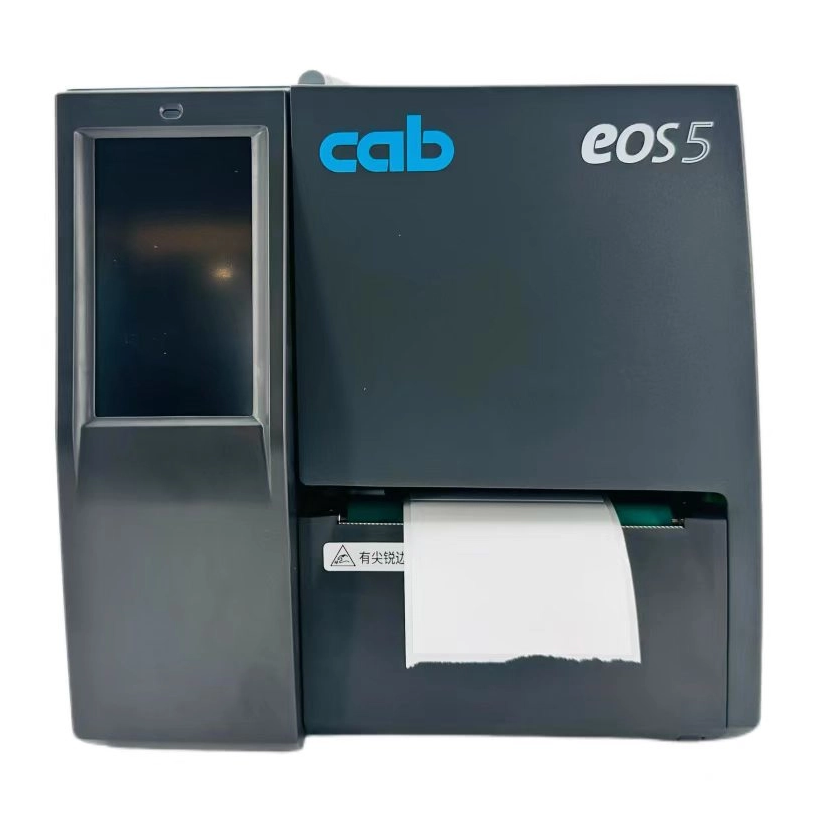
3 Questions to Ask Before Buying Industrial Labels
Avoid generic purchases by answering three fundamental questions. This framework ensures your tags perform exactly as required in the field.
Question 1: What exact substrate, texture, and geometry are we sticking to?
Identify the exact material. Is it a low surface energy plastic like high-density polyethylene, a rough cast-iron housing, a curved wire, or a powder-coated panel? You must match the adhesive thickness and facestock flexibility directly to these physical realities. Measure the diameter of curved surfaces to ensure the facestock can handle the radius without flagging.
Question 2: What physical and environmental forces will act on this label over its lifecycle?
Determine the primary threats. Evaluate exposure to chemical washdowns, extreme temperatures, physical abrasion, or constant outdoor UV radiation. Map these hazards to the adhesive and facestock limitations. If the asset goes through a high-pressure hot water washdown daily, you need a high-tack acrylic with a sealed edge overlaminate.
Question 3: What are the safety, legibility, and compliance standards we must maintain?
Evaluate regulatory requirements. Determine if the print must survive high-abrasion environments to keep OSHA safety warnings visible. Check if UL or CSA agency approvals are required for product liability compliance. Ensure the materials you select carry the specific certifications required by your industry regulators.
How to Apply Industrial Labels and Prevent Installation Failures
Even perfectly engineered tags fail if applied incorrectly. Implementation realities dictate the final success of the bond. I have seen thousands of dollars of high-performance materials wasted because operators applied them with dirty gloves onto oily surfaces.
Surface Preparation Protocols: You must clean the surface properly. A 50/50 isopropyl alcohol and water mix removes invisible oils, dust, and mold release agents. Wipe the surface in one direction to remove contaminants, rather than smearing them around. Never apply adhesives to contaminated surfaces.
Application Temperature vs. Service Temperature: Adhesives require a specific warm temperature window to cure properly. You must apply them within this window (usually above 50°F), even if their ultimate service temperature rates for sub-zero environments. Applying tags to freezing metal prevents the adhesive from flowing.
Dwell Time: Adhesives require up to 72 hours of dwell time to achieve maximum bond strength. Avoid immediate stress testing. Let the polymer chains flow and lock into the substrate. Do not apply a tag and immediately run the part through a chemical wash.
Ease of Application & Bubble Prevention: Trapped air pockets compromise adhesive contact. Use squeegees and center-out application techniques for large panels to ensure complete surface mating. Press firmly to activate pressure-sensitive adhesives.
Prototyping and Environmental Testing: Always request sample rolls. Run real-world pilot tests in your actual facility environment before committing to bulk procurement. Stick them on the actual machines and let them sit for a month.
Conclusion
To reduce specification and implementation risks, manufacturers should work with an experienced identification partner that understands label materials, printing hardware, and automated application requirements. Established in 2008, GAOFE develops specialty labeling solutions and industrial identification systems, including durable labels, printing systems, automated labeling equipment, consumables, and traceability software for demanding industrial environments.
There is no universal solution for industrial tagging. Success depends entirely on the precise intersection of adhesive chemistry, facestock conformability, printing protection, and surface energy. Follow these steps to secure reliable performance:
Audit your specific use cases by documenting the exact substrate material, surface shape, and application temperature on the facility floor.
Map all environmental hazards using the 3-question pre-purchase framework to identify chemical, thermal, and physical threats.
Consult with a material engineering specialist to review technical specification sheets and verify UL/CSA compliance.
Order sample testing kits to validate adhesive wet-out, dwell time requirements, and long-term legibility in your actual operational environment.
FAQ
Q: Why do labels peel off powder-coated metals?
A: Powder coatings possess low surface energy (LSE). Standard adhesives bead up instead of flowing across the surface, resulting in weak bonds. You must use modified acrylic or high-coat-weight rubber adhesives specifically formulated to wet-out on LSE surfaces.
Q: What is the difference between initial tack and ultimate adhesion?
A: Initial tack refers to the immediate stickiness felt upon application. Ultimate adhesion is the maximum bond strength achieved after the adhesive fully cures and flows into the substrate, which typically requires 24 to 72 hours of dwell time.
Q: How do I choose labels for curved or cylindrical surfaces?
A: You must select highly flexible facestocks like vinyl, specialized polyolefin, or lightweight cloth. Rigid materials like standard polyester will try to return to a flat state, causing the edges to lift and flag over time.
Q: Can industrial labels be applied to oily or wet surfaces?
A: Standard adhesives fail on contaminated surfaces because they bond to the oil or water, not the substrate. You need specialized oil-absorbing or moisture-displacing adhesive formulations designed to penetrate the contamination layer.
Q: What label material is best for extreme heat and chemical washdowns?
A: Polyimide (Kapton) paired with a high-temperature silicone adhesive provides the best resistance to extreme heat and harsh chemical solvents. Adding a durable overlaminate or utilizing subsurface printing ensures the ink survives heavy washdowns.


