Ever wondered how industries keep track of thousands of items daily? Industrial labels make it possible. These labels are vital for identification and safety across many sectors.
In this post, you’ll learn what industrial labels are, why they matter, and how different types, materials, and applications fit various needs.
Industrial labels come in various types, each tailored for specific uses and environments. Understanding these types helps you choose the right label for your application.
Pressure-Sensitive Labels: Features and Uses
Pressure-sensitive labels stick firmly when pressed onto a surface. They don’t require heat, water, or solvents to activate the adhesive. This type is the most common in industrial settings due to its ease of application and versatility. They work well on flat or slightly curved surfaces and can be made from paper or synthetic materials.Key features include:
Quick and easy application
Available in permanent, removable, or repositionable adhesives
Suitable for product identification, packaging, and asset tracking
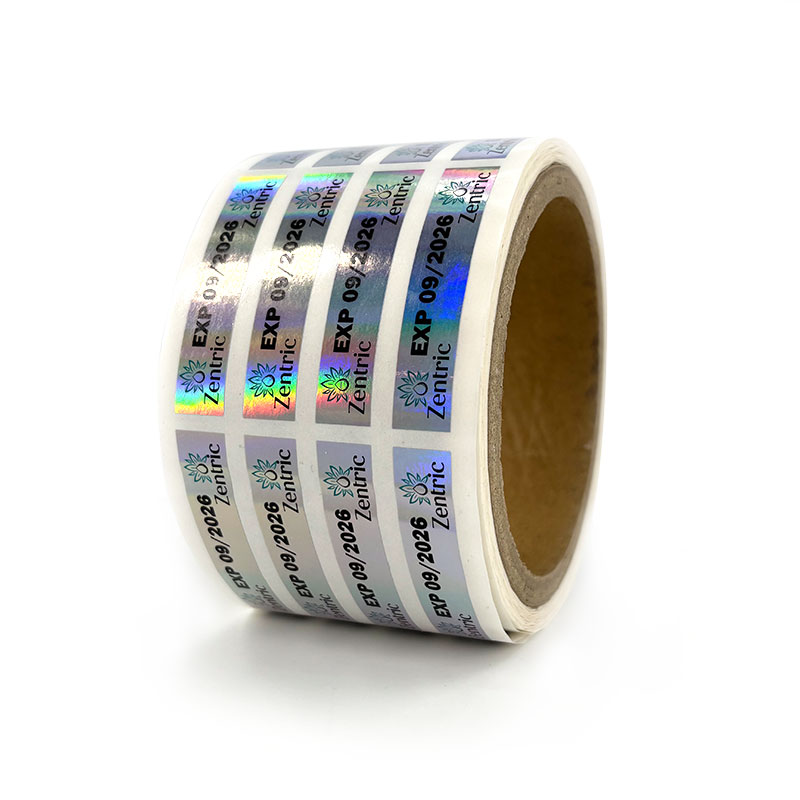
Self-Laminating Labels for Durability
Self-laminating labels have a clear protective layer that folds over the printed area. This lamination protects the label from abrasion, moisture, chemicals, and UV exposure. They are ideal for harsh environments where label longevity is critical.Common uses:
Cable and wire identification
Equipment tags exposed to outdoor elements
Industrial asset tracking
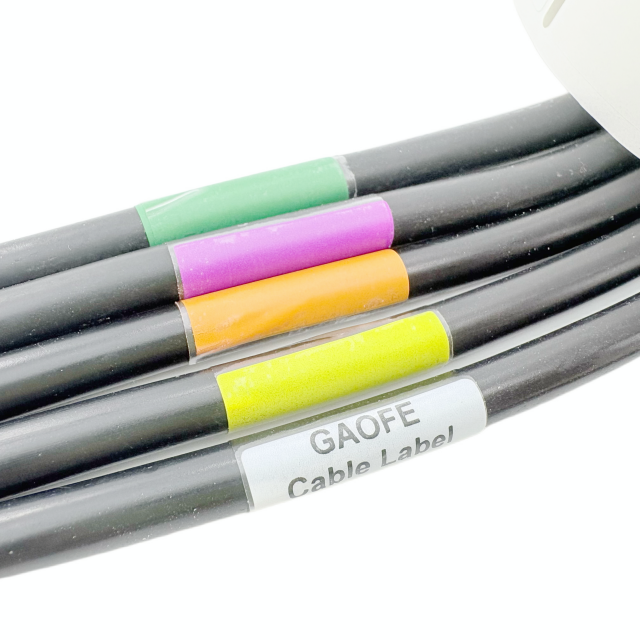
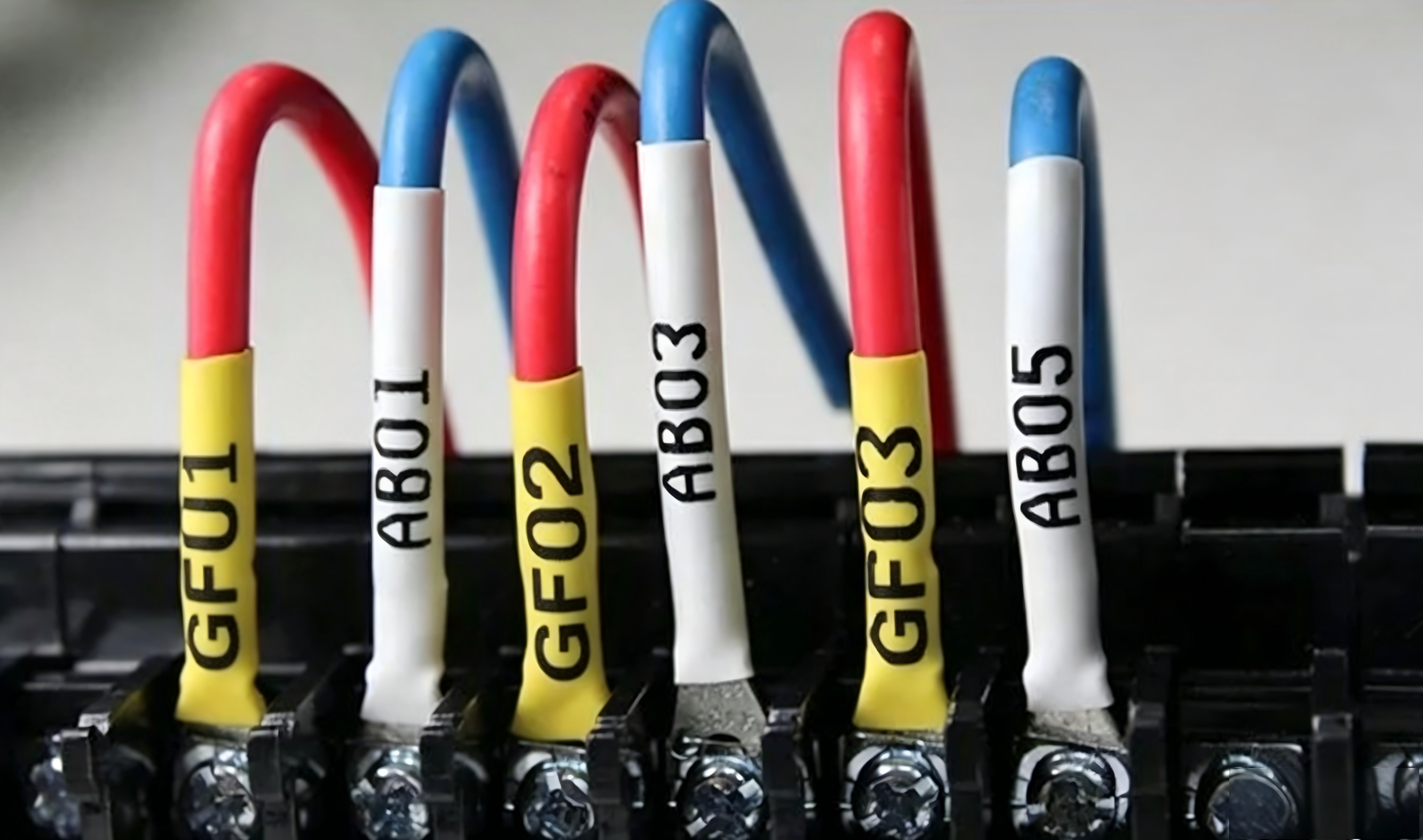
Heat shrink tube label and Their Applications
Heat shrink tube label are plastic labels that wrap around an item and shrink tightly when heated. They provide 360-degree coverage and full-color printing capabilities. These labels are durable and resistant to water and chemicals.Applications include:
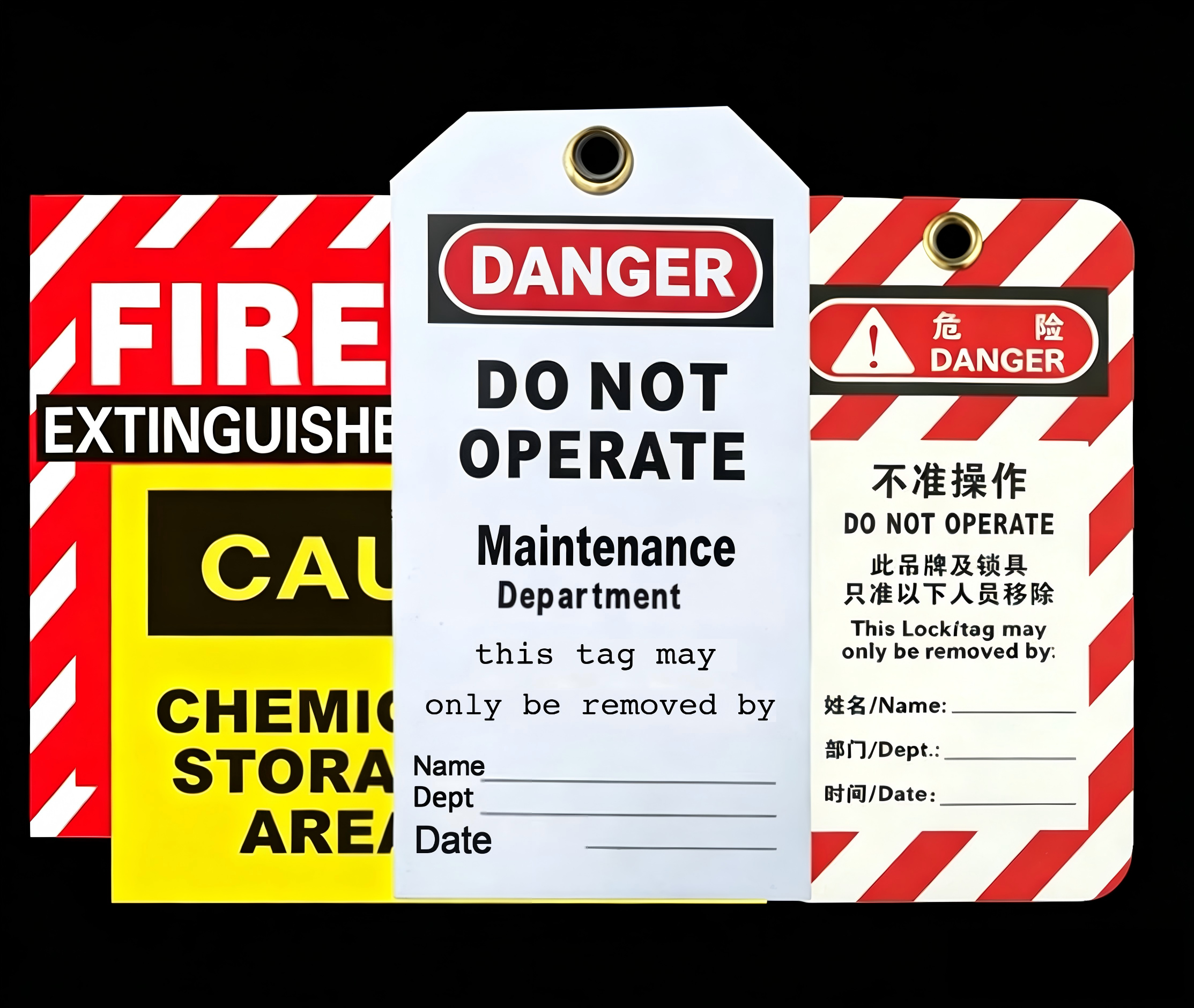
Tags: Temporary and Safety Labeling
Tags are labels attached by strings, wires, or adhesive backing. They are often used when a label needs to be temporary or easily removable. Tags made of paper or cardstock are common for safety warnings, lockout/tagout procedures, and valve identification.Advantages:
Easy to attach and remove
Customizable with printed info or barcodes
Suitable for temporary labeling needs
Static Cling Vinyl vs. Peelable/Repositionable Labels
Static cling vinyl labels adhere to smooth surfaces through static electricity, requiring no adhesive. They are easy to apply and remove but may not last long in demanding environments.Peelable/repositionable labels use a light adhesive allowing multiple reapplications without residue. They offer better durability and longer adhesion than static cling vinyl.Comparison:
| Feature | Static Cling Vinyl | Peelable/Repositionable Labels |
| Adhesion | Static charge (no adhesive) | Light adhesive |
| Surface compatibility | Smooth, non-porous surfaces | Smooth surfaces, slightly textured |
| Durability | Short-term use | Longer-lasting |
| Residue on removal | None | None |
| Repositioning ability | Yes | Yes |
Peelable/repositionable labels are preferred when longer label life and repositioning flexibility are needed.
Tip: For industrial labeling, always match the label type to the environment and surface to ensure durability and legibility over the product's lifecycle.
Materials Used in Industrial Labels
Industrial labels come in many materials, each designed to meet specific needs. Choosing the right material ensures the label performs well under the conditions it faces.
Paper-Based Materials: Direct Thermal, Top-Coated, Semi-Gloss, and Matte Paper
Paper labels are common for many industrial uses due to their affordability and versatility.
Direct Thermal Paper: This material reacts to heat to print images directly. It’s great for short-term uses like shipping labels but fades quickly under heat or sunlight.
Top-Coated Paper: This paper has a protective layer that resists smudging, fading, and moisture. It’s often used for fresh and frozen food labels in supermarkets.
Semi-Gloss Paper: Offers a shiny finish and good print quality. Ideal for product IDs, shipping, and pharmaceutical labels where durability and appearance matter.
Matte Paper: Non-reflective with a soft feel. Used for upscale products like wine labels, it adds a classy look without glare.
Film and Synthetic Materials: Polypropylene, Polyethylene, Polyester
Synthetic films provide durability and resistance to moisture, chemicals, and abrasion.
Polypropylene (PP): A versatile plastic film, available clear or white. Clear PP creates a "no-label" look, while white PP offers strong resistance to oils and water.
Polyethylene (PE): Flexible and waterproof, PE labels conform well to curved or uneven surfaces. They are cost-effective and used in food packaging and industrial products.
Polyester (PET): Known for high durability, polyester labels resist heat, chemicals, and UV rays. Common in outdoor, automotive, and electronics labeling.
Specialty Materials: Polyimide, Nylon, Polycarbonate, Vinyl, and Metallized Polyester
These materials serve demanding environments needing extra strength or unique properties.
Polyimide: Withstands extreme heat and chemicals. Used in electronics and aerospace for circuit board and wire labeling.
Nylon: Flexible and tough, nylon labels cling well to rough or irregular surfaces like cables and wires.
Polycarbonate: Offers impact resistance and clarity, suitable for heavy-duty equipment and automotive parts.
Vinyl: Durable and water-resistant, vinyl labels work well outdoors and on curved surfaces, often for safety and branding.
Metallized Polyester: Combines polyester’s durability with a metallic finish, giving a premium look for nameplates and serial labels.
Comparing Durability, Flexibility, and Chemical Resistance
| Material | Durability | Flexibility | Chemical Resistance | Typical Use Cases |
| Paper (Direct Thermal) | Low (short-term) | Moderate | Low | Shipping, receipts |
| Paper (Top-Coated) | Moderate | Moderate | Moderate | Food labeling, retail |
| Polypropylene | High | Moderate | High | Product packaging, industrial labels |
| Polyethylene | Moderate | High | High | Flexible packaging, curved surfaces |
| Polyester | Very High | Low to Moderate | Very High | Outdoor, electronics, automotive |
| Polyimide | Very High | Low | Very High | Electronics, aerospace |
| Nylon | High | High | High | Wire/cable labeling |
| Polycarbonate | Very High | Low | High | Equipment, automotive |
| Vinyl | High | High | High | Outdoor signage, safety labels |
| Metallized Polyester | High | Low | High | Premium nameplates, serial labels |
Each material balances durability, flexibility, and chemical resistance differently. Choose based on the label's environment and application.
Tip: For industrial labels, always match material properties to environmental conditions to ensure long-lasting adhesion and legibility.
Choosing the right adhesive is just as important as selecting the label material. Adhesives determine how well a label sticks, how long it lasts, and how it performs under different conditions. Here’s a breakdown of common adhesive types and their properties for industrial labels.
Acrylic-Based Adhesives: Durability and Versatility
Acrylic adhesives are popular for their strong, long-lasting bond. They resist temperature changes, moisture, and chemicals, making them ideal for tough environments. These adhesives maintain adhesion over time, even when exposed to UV light or harsh weather.
Great for outdoor use and industrial settings
Available in permanent, removable, and repositionable forms
Often used on metal, plastic, and glass surfaces
Acrylic adhesives also offer excellent clarity, which is beneficial for clear or transparent labels.
Rubber-Based Adhesives: Flexibility and Cost-Effectiveness
Rubber adhesives provide strong initial tack and good flexibility. They stick well to rough or uneven surfaces and are generally less expensive than acrylic adhesives.
Ideal for applications needing quick adhesion
Suitable for temporary or repositionable labels
May not hold up as well in extreme temperatures or prolonged outdoor exposure
Rubber adhesives work well for short-term labeling tasks or indoor use where cost is a concern.
Permanent, Removable, and Repositionable Adhesives Explained
Permanent Adhesives create a strong, lasting bond designed to stay put for the label’s lifetime. They resist moisture, chemicals, and temperature extremes. Use these when label durability is critical.
Removable Adhesives hold firm but allow clean removal without residue. They are perfect for temporary labeling or applications requiring label changes.
Repositionable Adhesives offer the ability to apply, remove, and reapply a label multiple times without losing tack. These are great for labels needing adjustment during installation or use.
Choosing the right adhesive type depends on how long the label must stay, the surface it sticks to, and the environment.
Temperature-Specific Adhesives for Extreme Conditions
Some adhesives are specially formulated for extreme heat or cold.
High-temperature adhesives withstand heat from processes like powder coating or engine labeling without losing adhesion.
Low-temperature adhesives remain sticky in freezing or cryogenic conditions, ideal for cold storage or lab environments.
These adhesives ensure labels stay intact and readable despite temperature challenges.
Tip: Match adhesive type to surface texture, environment, and label lifespan for reliable adhesion and performance in your industrial application.
Industrial Label Properties and Environmental Adaptations
Industrial labels must endure a variety of challenging conditions. Their properties and adaptations ensure they remain effective, legible, and secure throughout their service life.
Temperature Resistance: Heat, Cryogenic, High and Low-Temperature Labels
Labels often face extreme temperatures. Heat-resistant labels withstand high temperatures found in manufacturing, automotive, or electronics industries. They resist melting, fading, or adhesive failure during exposure to heat.Cryogenic labels endure ultra-low temperatures, commonly used in laboratories and cold storage. These labels maintain adhesion and legibility even in freezing, sometimes below -196°C (-321°F).High-temperature labels perform under intense heat, such as during powder coating or engine labeling. Low-temperature labels remain sticky and readable in cold environments like refrigerated warehouses or outdoor winter conditions.Choosing the right temperature resistance prevents label peeling, cracking, or fading, ensuring information remains accessible.
Chemical Resistance: Alcohol, Fuel, Oil, and Solvent Resistance
Industrial environments expose labels to chemicals like alcohol, fuel, oil, and solvents. Chemical-resistant labels use special materials and coatings to prevent deterioration.
Alcohol-resistant labels are essential in healthcare, labs, or cleaning product sectors.
Fuel-resistant labels serve automotive, aerospace, and energy industries.
Oil-resistant labels suit machinery and manufacturing environments.
Solvent-resistant labels withstand harsh cleaning agents or industrial solvents.
Chemical resistance maintains label integrity, preventing smudging, fading, or adhesive failure.
Environmental Durability: Outdoor, Harsh Environment, and Indoor Labels
Labels face different environments:
Outdoor labels resist UV rays, rain, wind, and temperature swings. Polyester or vinyl with UV inhibitors often work best.
Harsh environment labels withstand abrasion, moisture, chemicals, and mechanical wear. Self-laminating or heavy-duty films are common.
Indoor labels need less extreme durability but must resist moisture or mild chemicals in warehouses or offices.
Matching label durability to environment prevents premature failure and costly replacements.
Tamper-Evident and Water-Soluble Label Features
Tamper-evident labels reveal attempts to remove or alter them. They may fracture, leave residue, or display visible marks, ensuring product security and authenticity.Water-soluble labels dissolve when wet, ideal for temporary labeling or easy removal in labs or manufacturing processes.These specialized features enhance security and operational efficiency.
Tip: Always select industrial labels based on environmental conditions—temperature, chemicals, and exposure—to ensure lasting adhesion and clear identification throughout the product’s lifecycle.
Industrial labels serve many purposes across various sectors. Their ability to withstand tough conditions and convey critical information makes them indispensable. Below, we explore common applications where industrial labels excel.
Circuit Board and Electronics Labeling
Circuit boards require labels that endure heat, chemicals, and tight spaces. Polyimide labels are often chosen here because they resist high temperatures and chemicals. They provide clear, permanent identification on components and wiring. Self-laminating options protect printed data from abrasion and moisture, ensuring longevity in electronics manufacturing and repair.
Data Communication and Wire/Cable Identification
In data communication, labeling cables and wires prevents confusion and errors. Polyester and polyethylene labels are popular for their durability and flexibility. Heat-shrink sleeves offer secure, tamper-resistant marking that conforms tightly to wires. Pressure-sensitive labels work well on flat cable surfaces, providing easy application and legibility. These labels help technicians quickly identify cables during installation or maintenance.
Safety and Inspection Labels in Industrial Settings
Safety labels warn workers of hazards and provide instructions to prevent accidents. Vinyl and polyester materials are common for their toughness and weather resistance. Tamper-evident labels ensure safety compliance by showing if a label has been removed or altered. Inspection labels track equipment status, maintenance dates, or quality checks, often using removable or repositionable adhesives for updates.
Laboratory and Medical Labeling Needs
Laboratories rely on labels to identify samples, reagents, and equipment accurately. Polypropylene and polyethylene labels resist chemicals, moisture, and low temperatures. Cryogenic labels maintain adhesion in ultra-low freezers. Writable labels allow for manual notes. These labels support traceability, safety, and regulatory compliance in medical and research environments.
Rating, Nameplates, and Equipment Identification
Equipment often requires durable nameplates and rating labels displaying specifications or serial numbers. Metallized polyester and polycarbonate materials provide a premium look and resist abrasion, chemicals, and UV exposure. These labels may be pressure-sensitive or rigid plates with mounting holes. They ensure clear, lasting identification on machinery, vehicles, and industrial tools.
Logistics and Shipping Label Applications
Shipping labels must withstand handling, moisture, and temperature changes. Direct thermal paper is common for short-term use like shipping and inventory. For longer-term durability, synthetic materials like polypropylene or polyester are preferred. These labels resist tearing, smudging, and weather damage, ensuring barcodes and addresses remain scannable throughout transit.
Tip: Tailor your industrial labels to each application’s environment and requirements for optimal performance and safety.
Finishes and Visual Optimization of Industrial Labels
Industrial labels don't just need to stick well — they must also look right and be easy to read. The finish of a label affects its appearance, durability, and visibility. Choosing the right finish helps your label stand out, perform better, and last longer in its environment.
Gloss, Matte, Satin, and Semi-Gloss Finishes
Gloss Finish: Glossy labels shine and reflect light, making colors pop and images vibrant. They’re eye-catching and great for branding or product labels that need a polished look. However, gloss can cause glare under bright lights, which might reduce readability in some cases.
Matte Finish: Matte labels have a smooth, non-reflective surface. They reduce glare, making text easier to read under various lighting. Matte finishes offer a subtle, sophisticated look, often chosen for upscale products or when a softer appearance is desired.
Satin Finish: Satin sits between gloss and matte. It offers a gentle sheen without the harsh shine of gloss. Satin labels balance readability and style, suitable for products needing a refined look without too much reflection.
Semi-Gloss Finish: Semi-gloss provides moderate shine and good readability. It’s versatile for many industrial applications where you want some brightness but less glare than full gloss.
Reflective and Retro-Reflective Labels for Visibility
Reflective labels bounce light back toward its source, making them visible in low-light or dark environments. Retro-reflective labels go a step further, reflecting light directly back to the source, such as a vehicle’s headlights. These labels are essential for safety applications like warning signs, equipment tags, and outdoor labeling where visibility at night or in poor lighting is critical.
Metallic and Foil Finishes for Premium Appearance
Metallic and foil finishes add a shiny, luxurious look to labels. Gold, silver, or colored foils catch the eye and suggest quality or exclusivity. These finishes are popular for nameplates, rating labels, or branding where a premium appearance matters. Besides aesthetics, foil finishes can also add durability and resistance to wear.
Glow-in-the-Dark Labels and Their Uses
Glow-in-the-dark labels absorb light and emit it slowly in darkness. They’re useful for emergency signs, safety warnings, or equipment that needs identification in power outages or dark conditions. These labels improve safety and compliance by ensuring critical info remains visible without external light.
Tip: Match your label finish to the environment and purpose—use matte or satin for readability, gloss for vibrant branding, reflective for safety, and metallic or glow-in-the-dark for premium or specialized needs.
Choosing the Right Industrial Label: Common Challenges and Solutions
Selecting the right industrial label isn't just about picking a pretty sticker. It involves understanding the specific demands of your application and the environment. Using the wrong label can lead to costly mistakes, while the right one ensures durability, clarity, and safety.
Consequences of Using the Wrong Label Material
Choosing an improper label material can cause several problems:
Label Failure: Labels may peel, fade, or crack when exposed to heat, chemicals, or moisture.
Unreadable Information: Smudged or faded print leads to misidentification or errors.
Safety Risks: Missing or damaged safety labels can cause accidents or regulatory issues.
Increased Costs: Re-labeling and product recalls waste time and money.
Damaged Surfaces: Aggressive adhesives on sensitive surfaces may cause damage upon removal.
For example, using a paper label in a harsh chemical environment will quickly degrade the label, making vital information unreadable.
Matching Label Material to Application Requirements
To avoid these issues, match the label material to the specific needs:
Surface Type: Smooth, rough, curved, or textured surfaces need different materials and adhesives.
Environmental Exposure: Consider temperature extremes, moisture, UV light, and chemicals.
Label Lifespan: Temporary labels differ from long-term asset tags.
Regulatory Compliance: Some industries require labels that meet specific standards.
For instance, polyimide labels handle high temperatures on circuit boards, while vinyl suits outdoor safety signs.
Balancing Cost, Durability, and Aesthetic Needs
Budget matters, but cutting corners can backfire. Balance cost with:
Durability: Invest in materials that withstand your environment.
Appearance: Choose finishes that enhance readability and brand image.
Adhesive Strength: Ensure labels stick without damaging surfaces or leaving residue.
Sometimes a higher upfront cost saves money by reducing replacements and errors.
Expert Guidance and Custom Solutions for Industrial Labels
Many challenges arise from complex requirements. Consulting labeling experts helps you:
Identify the best materials and adhesives for your application.
Customize label sizes, shapes, and finishes.
Ensure compliance with industry regulations.
Optimize label performance and cost-efficiency.
Experts can provide samples and testing to validate choices before full production.
Tip: Always assess your labeling environment and application details thoroughly; consulting experts early prevents costly errors and ensures your industrial labels perform reliably throughout their lifespan.
Conclusion
Industrial labels vary widely to meet diverse application needs and environments. Selecting the right materials and adhesives ensures durability and clear identification. Advances in labeling technology continue to improve performance and customization options. Consulting experts helps achieve optimal label solutions tailored to specific industrial requirements. www.dggaofe.com GAOFE International Industrial Co.,Ltd. offers high-quality industrial labels designed to deliver reliable adhesion, resistance, and clarity, providing excellent value for demanding applications.
FAQ
Q: What are industrial labels and where are they commonly used?
A: Industrial labels are durable stickers designed for tough environments, used for product identification, safety warnings, equipment tracking, and more across manufacturing, electronics, logistics, and medical sectors.
Q: How do I choose the right material for industrial labels?
A: Select materials like polyester for outdoor durability, polyimide for high heat, or paper for short-term use, matching the label’s environment and surface for best performance.
Q: Why are adhesive types important for industrial labels?
A: Adhesives affect label longevity and removal; acrylic adhesives suit harsh conditions, rubber adhesives are cost-effective for temporary use, and repositionable adhesives allow multiple applications.
Q: What challenges arise from using the wrong industrial labels?
A: Wrong labels can peel, fade, cause safety risks, and increase costs due to re-labeling or product recalls.
Q: How do finishes impact industrial label effectiveness?
A: Finishes like matte reduce glare for readability, gloss enhances branding, and reflective finishes improve visibility in low light.
Q: Are industrial labels expensive?
A: Costs vary by material, adhesive, and durability needs; investing in quality labels reduces replacement and error costs long-term.


