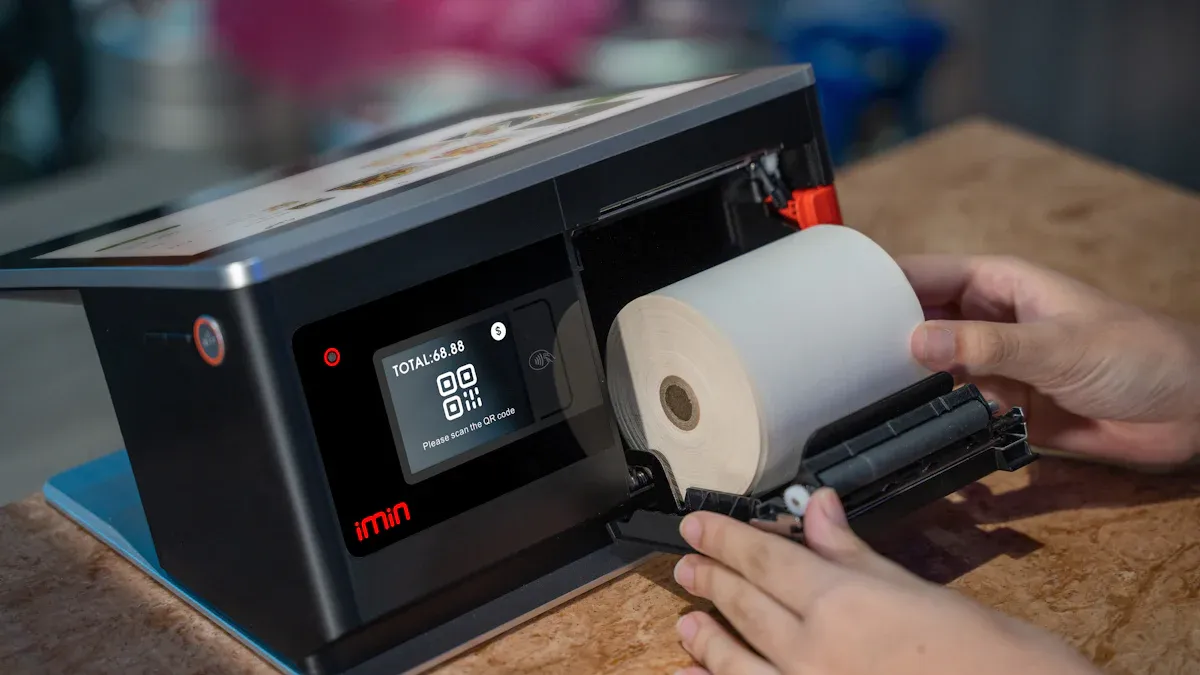
You use wax ribbons in thermal printing to make clear images on labels. Wax ribbons melt at low heat, so they are good for paper labels like price tags and shipping labels. Many businesses pick wax ribbons because they are cheaper than other ribbons. They also work well when you need to print a lot of labels.
Wax ribbons give you:
Cheap labels for daily use
Fast and easy printing for stores and shipping
Nice print quality for most jobs
Wax ribbon is best when you need many labels that do not have to last long.
Key Takeaways
Wax ribbons cost less and make clear, dark pictures on paper labels like shipping tags and price labels. They melt with low heat, so printing is fast and uses less energy. But the prints do not last long and can smudge or fade if you rub them or if they get hot. Use wax ribbons mostly for indoor labels that you only need for a short time on coated or plain paper. Do not use them on shiny, plastic, or outdoor labels. Always pick the right ribbon for your label and printer. Test a small group before printing a lot to make sure it works well. Keep wax ribbons in a cool, dry place. Clean your printer often to keep prints clear and help the ribbon last longer.
Wax Ribbons Overview
What Are Wax Ribbons
Wax ribbons help you print clear words and pictures on labels. They use a special wax-based ink. The printer heats the ribbon, and the wax melts onto the label. This makes the prints look dark and easy to read. Wax ribbons work well for barcodes, shipping labels, and store tags.
Wax ribbons are cheaper than other thermal transfer ribbons. You can print fast and at many different temperatures. People use wax ribbons when they need lots of labels quickly.
Here is a table that lists the main features of wax ribbons in thermal-transfer printing:
Characteristic | Wax Ribbons Description |
Composition | Made only with wax (100% wax-based ink). |
Cost | Cheapest choice among thermal transfer ribbons. |
Print Quality | Makes sharp and dark images but not as good as wax/resin or resin ribbons. |
Durability | Not very tough; can smudge and does not handle rubbing, chemicals, or heat well. |
Printing Temperature | Can print at many different temperatures compared to other ribbons. |
Suitable Materials | Works best on paper and some coated paper labels. |
Applications | Great for general printing like shipping, warehouse, and store labels. |
Advantages | Saves money and good for printing lots of labels. |
Disadvantages | Not as strong or long-lasting as wax/resin or resin ribbons. |
Tip: Use wax ribbons when you need to print lots of thermal transfer labels for a short time. They are best for paper labels that will not be in tough places.
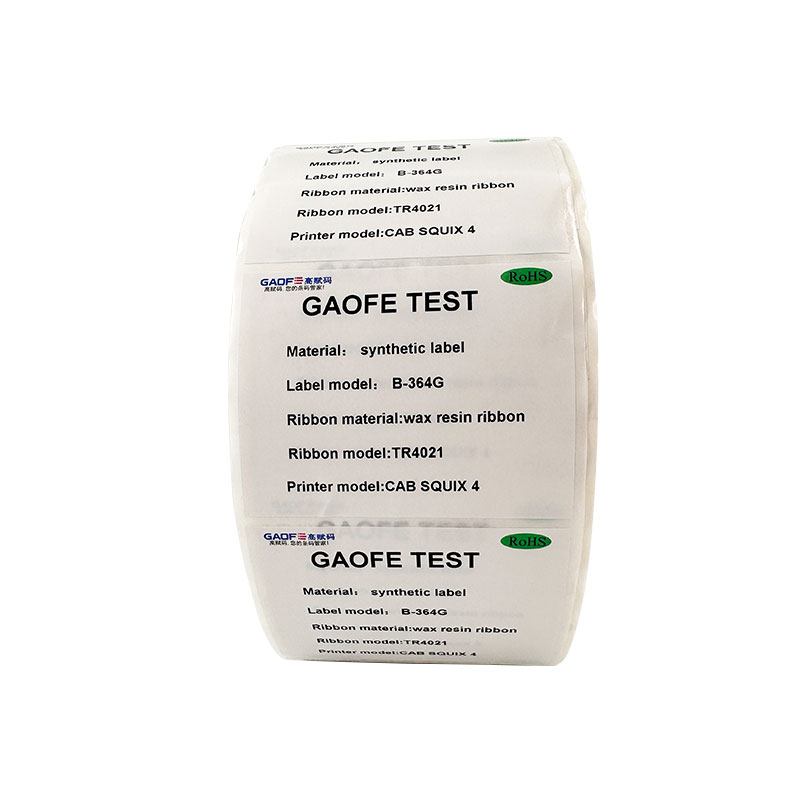
Wax Ribbon Composition
A wax ribbon has a few layers that help it work in your printer. The main layer is the ink, which is made from wax. This wax melts easily, so you can print at lower heat and faster speeds. The ink layer may have carbon to make the print darker.
The ribbon has a PET film that holds the ink and keeps it steady. A primer layer helps the ink stick to the film. On the back, a coating protects the printhead and lowers friction.
Sometimes, a little resin is mixed with the wax. This helps the print resist smudging and heat a bit more. But full wax ribbons use only wax in the ink. These are best for normal paper labels and short-term use.
How a wax ribbon is made changes how it melts and prints. If it melts at a lower temperature, you can print faster and save energy. You get clear prints on regular labels, but they do not last as long as prints from resin-based ribbons. Wax ribbons are great for labeling jobs where you do not need the print to last a long time.
How Wax Ribbons Work
Thermal Transfer Process
You use wax ribbons in thermal-transfer printing to make clear labels. First, you put the wax ribbon into the printer. The printer has a hot printhead that touches the ribbon. As the ribbon moves, the heat melts the wax ink. The melted wax sticks to the label and makes the image or barcode.
You need to match the ribbon, printer, and label for the best results. Wax ribbons melt at lower heat, so you can print fast and save power. They work best on paper or matte labels. If you use shiny or plastic labels, the wax may not stick well. The print can smudge if the label is too smooth.
Tip: Always make sure your label matches your ribbon. This helps stop smudges and keeps your labels easy to read.
The thermal transfer ribbon sits between the printhead and the label. It keeps the printhead safe from touching the label. This helps your printer last longer. You can print at different speeds. If you print too fast, small details may not look sharp.
Print Quality and Performance
You want your labels to look clear and last long enough. Wax ribbons give good print quality for most paper labels. The images and barcodes look dark and are easy to scan. This makes wax ribbons a good pick for shipping, stores, and office labels.
But wax ribbons are not as tough as other ribbons. If you rub the label or it gets hot, the print may smudge or fade. Wax-resin and resin ribbons are better if you need more protection. They resist smudging, chemicals, and outdoor weather. Use wax ribbons for indoor labels that do not need to last in tough places.
Here is a table that shows the main ribbon types in thermal-transfer printing:
Ribbon Type | Resolution Quality | Durability Level | Ideal Use Case |
Wax Ribbon | Good resolution | Low durability | Standard paper labels, indoor use |
Wax Resin Ribbon | Sharper images, small fonts | Medium durability, better smudge resistance | Coated paper, synthetics |
Resin Ribbon | High-resolution images | High durability, excellent smudge resistance | Industrial, outdoor, harsh conditions |
Many things affect how long your wax ribbon prints last:
Where you keep the labels matters. Labels inside last longer than ones in sun or rain.
Store your ribbons in a cool, dry place away from sunlight.
Make sure your ribbon, printer, and label work well together.
Change print speed and heat for the best results. Too much heat can waste ribbon and blur the print.
Clean your printer often to keep the printhead working well.
Use good labels that match your ribbon for better sticking.
Pick the right ribbon for your job. This saves money and gives you what you need.
*Wax ribbons work best on rough or matte labels. They do not stick well to shiny or smooth labels. If you need labels that last longer or resist chemicals, use a different thermal transfer ribbon.*
Note: Always test your labels before printing a lot. This helps you find problems early and makes sure your labels work well.
Wax Ribbon Applications
Common Uses
Wax ribbons are used in many jobs because they work well for thermal transfer labels. Companies pick wax ribbons since they are cheap and make clear prints. You can use them when you need lots of labels fast, but they do not last in rough places.
Food and drink companies use wax ribbons for product and shipping labels.
Pharmacies and healthcare workers print patient records and prescription labels.
Factories and shipping companies use wax ribbons for tracking and inventory labels.
Stores use them for price tags, shelf labels, and barcodes.
Offices print file labels and tags to stay organized.
Wax ribbons give you some good things:
They work with many label types, like paper and some plastics.
You can print labels that look neat and easy to read.
Wax ribbons help you save money when you print a lot.
You do not have to change the ribbon often, so you save time.
Tip: Wax ribbons let you print labels quickly and easily. They are great for busy places where you need labels every day.
Compatible Labels and Printers
Wax ribbons work best with thermal transfer printers and paper labels. You should use coated or plain paper labels for the best results. These ribbons print at low heat, so they are cheap and good for short-term, indoor jobs.
Here is a table to show which printers and labels work best:
Aspect | Details |
Compatible Label Types | Coated and plain paper labels |
Ideal Applications | Shipping, retail, shelf, bin, warehouse labels, short-term use |
Print Durability | Not very tough, not as strong as resin or wax/resin ribbons |
Cost | Cheap |
Printer Compatibility | Thermal transfer printers that fit the right ribbon size and direction |
Limitations | Not very strong, can smudge, does not handle chemicals or rubbing well |
Do not use wax ribbons for plastic labels or in tough places. If you need labels that can handle chemicals or lots of rubbing, pick wax/resin or resin ribbons instead.
Thermal Transfer Ribbons Types
Wax vs. Wax/Resin
When you print labels, you often pick between wax ribbons and wax resin ribbon. Wax ribbons have mostly wax-based ink. They work best for paper labels. You can print fast and save money with them. Wax resin ribbon mixes wax and resin together. This mix helps the print last longer. It also stops smudging, scratching, and some chemicals. Wax resin ribbon gives sharper images and stronger prints. It works well on coated paper or synthetic labels.
Here is a table to help you compare:
Feature / Aspect | Wax Ribbons | Wax/Resin Ribbons |
Durability | Good for short-term use; can smudge or fade | Lasts longer; resists smudging and scratching |
Print Quality | Clear prints for daily labels | Sharper, more defined prints |
Application Suitability | Best for paper labels in dry, indoor places | Works on coated paper and synthetics, even outdoors |
Cost | Most affordable | Costs more than wax, less than resin |
Resistance | Limited to normal handling | Handles moderate rubbing and mild chemicals |
Typical Uses | Shipping, retail, office labels | Healthcare, logistics, asset tracking, outdoor tags |
Tip: Pick wax resin ribbon if your labels need to handle more touching or outside use.
Wax vs. Resin
You might wonder how wax ribbons are different from full resin thermal transfer ribbon. Wax ribbons are good for quick and cheap printing on paper. They do not hold up to heat, chemicals, or rough use. Full resin thermal transfer ribbon uses synthetic resin. This makes the print very strong. It can resist chemicals, water, and scratching. You need resin ribbons for synthetic labels in tough places like labs or factories.
Check out this table for a quick look:
Feature | Wax Ribbons | Resin Ribbons |
Cost | Low cost, economical | High cost, more expensive |
Print Durability | Basic durability, less resistant | Excellent durability, highly resistant |
Material Compatibility | Works well on paper labels | Only for synthetic materials |
Moisture Resistance | Low resistance | High resistance |
Abrasion Resistance | Low resistance | High resistance |
Heat Resistance | Low resistance | High resistance |
Print Speed | Fast printing speeds | Slower printing speeds |
Best Use Cases | Short-term paper labels | Long-term synthetic labels in tough places |
Environmental Suitability | Not for harsh conditions | Perfect for harsh environments |
Wax ribbons do not stand up to chemicals or water.
Resin ribbons keep your labels safe from harsh chemicals, sunlight, and rough use.
Use resin ribbons for electronics, chemical drums, or medical devices.
Pros and Cons
You want to choose the right thermal transfer ribbons for your job. Each type has good and bad points.
Pros of wax ribbons:
Save money when you print a lot.
Print fast and clear on paper labels.
Easy to use for shipping or store tags.
Cons of wax ribbons:
Do not last in wet or rough places.
Can smudge or fade if rubbed or heated.
Not good for plastic labels or outdoor use.
Pros of wax resin ribbon:
Prints last longer and look sharper.
Good for coated paper and some plastics.
Handles some chemicals and outdoor use.
Cons of wax resin ribbon:
Pros of full resin thermal transfer ribbon:
Cons of full resin thermal transfer ribbon:
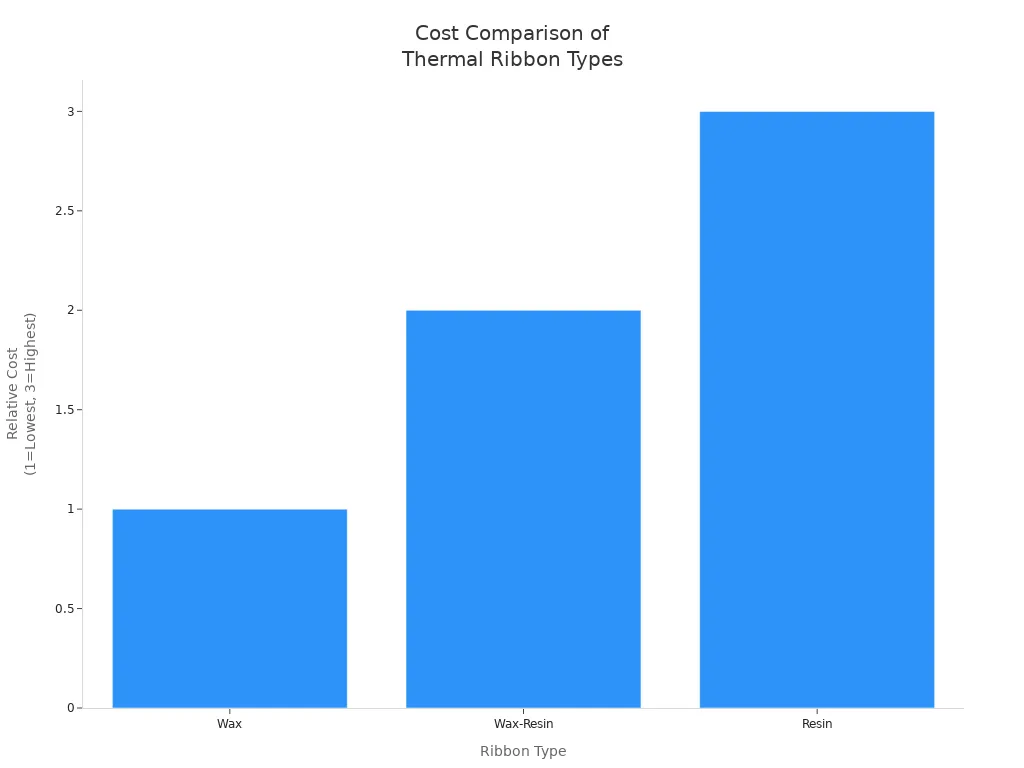
Here is a chart to show the cost levels of each ribbon type:
Note: Always match your ribbon to your label and where you will use it. This helps you get the best results and saves money.
Using Wax Ribbons
Choosing the Right Ribbon
You want your labels to look sharp and last as long as you need. Start by choosing the correct ribbon application for your job. Wax ribbons work best with coated or uncoated paper labels. Use them for indoor and short-term labeling tasks. If you need labels for outdoor use or harsh conditions, pick wax-resin or resin ribbons instead.
When you select a wax ribbon, check these points:
Match the ribbon to your label material. Wax ribbons stick well to paper but not to plastic or glossy labels.
Think about where you will use the labels. Wax ribbons are great for offices, stores, and warehouses.
Pick the right ribbon size. The ribbon should be a bit wider than your label to protect the printhead. For example, use a 4.33-inch ribbon for a 4-inch label.
Make sure the ribbon fits your printer. Check the core size and whether your printer uses Coated Side In (CSI) or Coated Side Out (CSO) ribbons.
Choose a trusted brand. Companies like Zebra, Brother, and Honeywell make reliable wax ribbons that give clear prints.
Tip: Always test a small batch of labels before printing a large run. This helps you catch problems early.
Loading and Handling
Knowing how to load the thermal ribbon helps you avoid jams and get the best print quality. Follow these steps for most thermal transfer printers:
Place the ribbon on the spindle with the ink side facing out.
Thread the ribbon under the ribbon roller and printhead.
Wrap the end of the ribbon onto the take-up spindle.
Use a label to check the ink side—stick it to the ribbon and see if ink transfers.
Load your labels into the printer.
Close the printhead so the ribbon presses against the labels.
Handle wax ribbons with care. Store them in their original packaging in a cool, dry place away from sunlight. Hold ribbons by the edges to keep them clean. Clean your printer often to remove dust and debris. Adjust print speed and temperature for the best results. If you see faded prints or smudges, check the ribbon and printer settings.
Note: Regular cleaning and careful handling help your wax ribbons last longer and keep your labels looking sharp.
Wax ribbons are a cheap way to print clear labels on paper. Pick wax ribbons if you want quick and low-cost labels for inside jobs like shipping or stores. Make sure your ribbon matches your label and where you will use it. If you need your labels to last longer, try wax/resin or resin ribbons. Test new ribbon and label mixes to stop problems and help your labels last as long as you want.
FAQ
What labels work best with wax ribbons?
You get the best results with coated or uncoated paper labels. Wax ribbons do not stick well to plastic or glossy labels. Always test your label before printing a large batch.
Can you use wax ribbons for outdoor labels?
Wax ribbons do not last outdoors. Sun, rain, and heat can make the print fade or smudge. For outdoor labels, you should use wax-resin or resin ribbons.
How do you know when to replace a wax ribbon?
You should replace the ribbon when prints look faded or streaky. If you see blank spots or the ribbon runs out, it is time for a new one.
Do wax ribbons work in all thermal printers?
Wax ribbons only work in thermal transfer printers. They do not work in direct thermal printers. Always check your printer’s manual for ribbon compatibility.
How do you store wax ribbons for best results?
Store wax ribbons in a cool, dry place away from sunlight. Keep them in their original packaging. This helps prevent damage and keeps your prints looking sharp.